
Last updated November 21, 2026
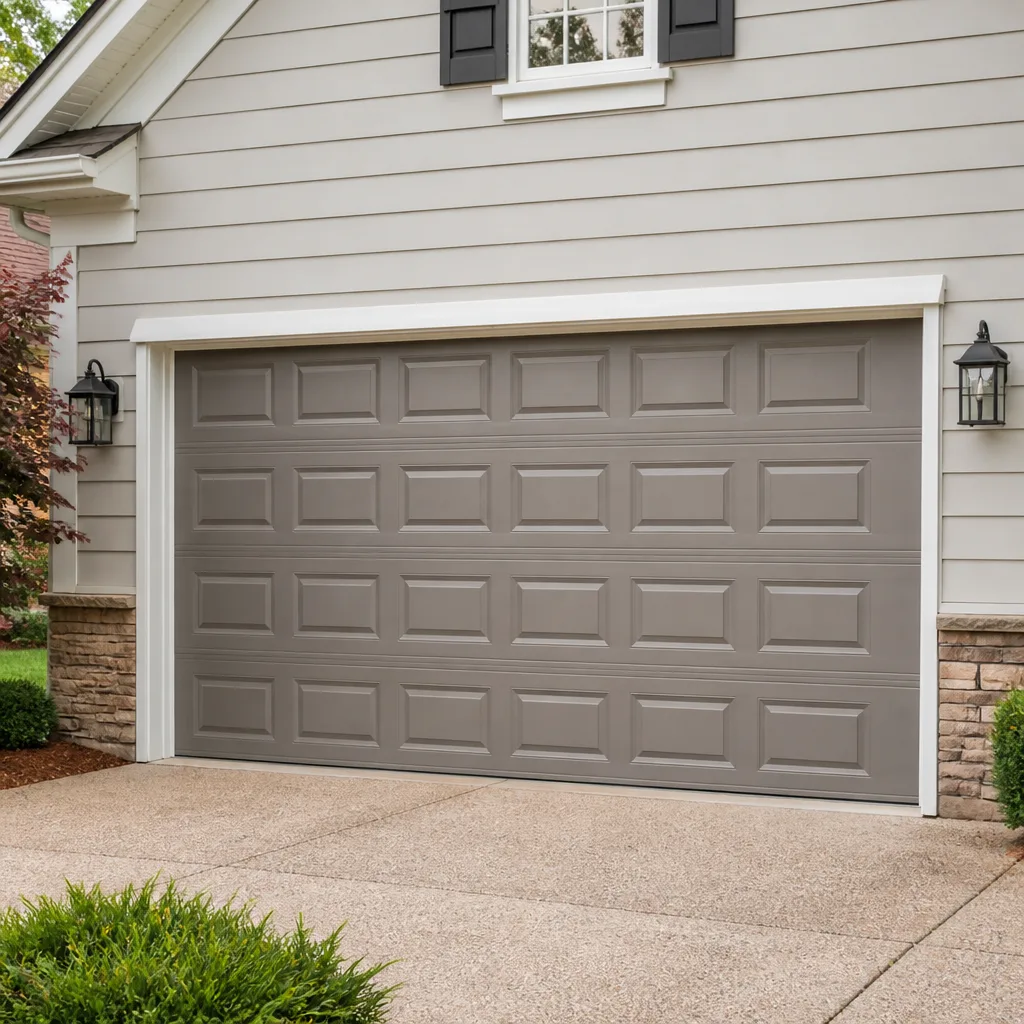 Raised-panel steel
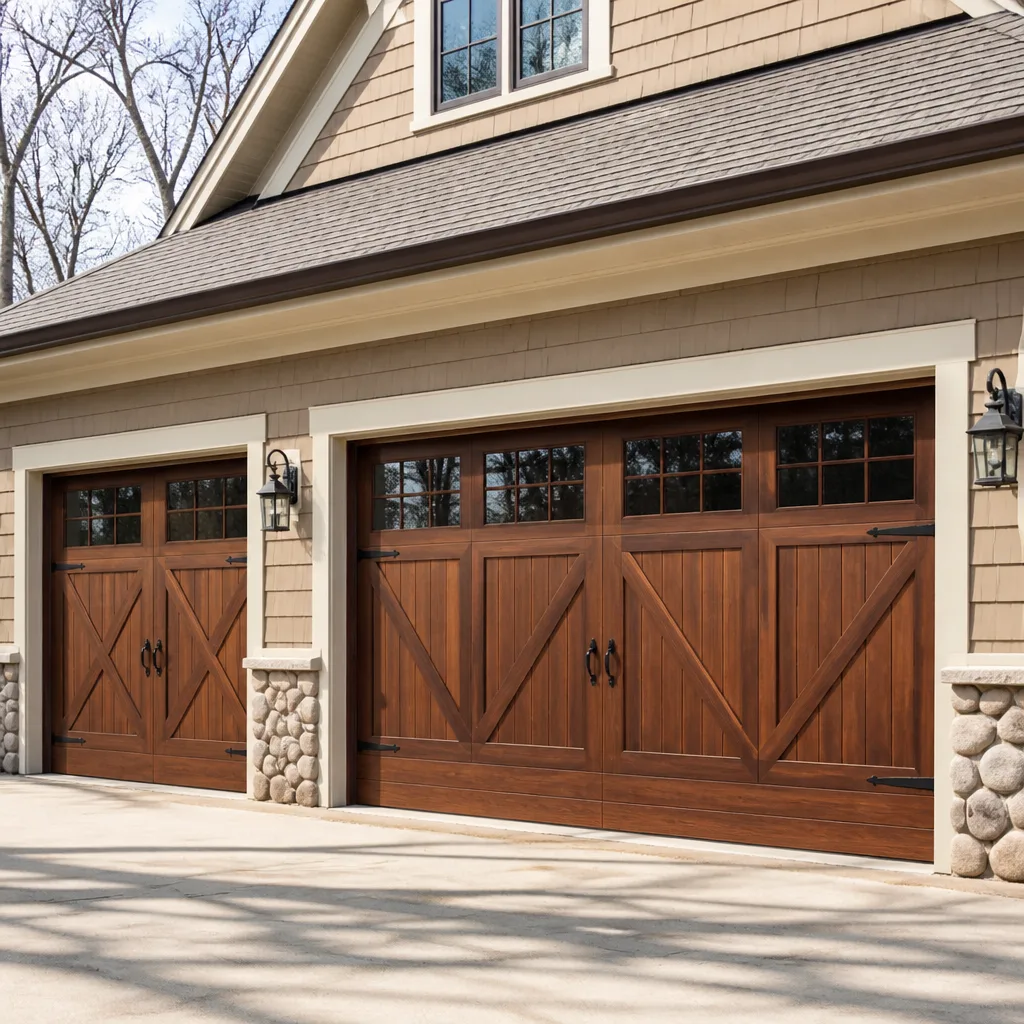 Carriage house
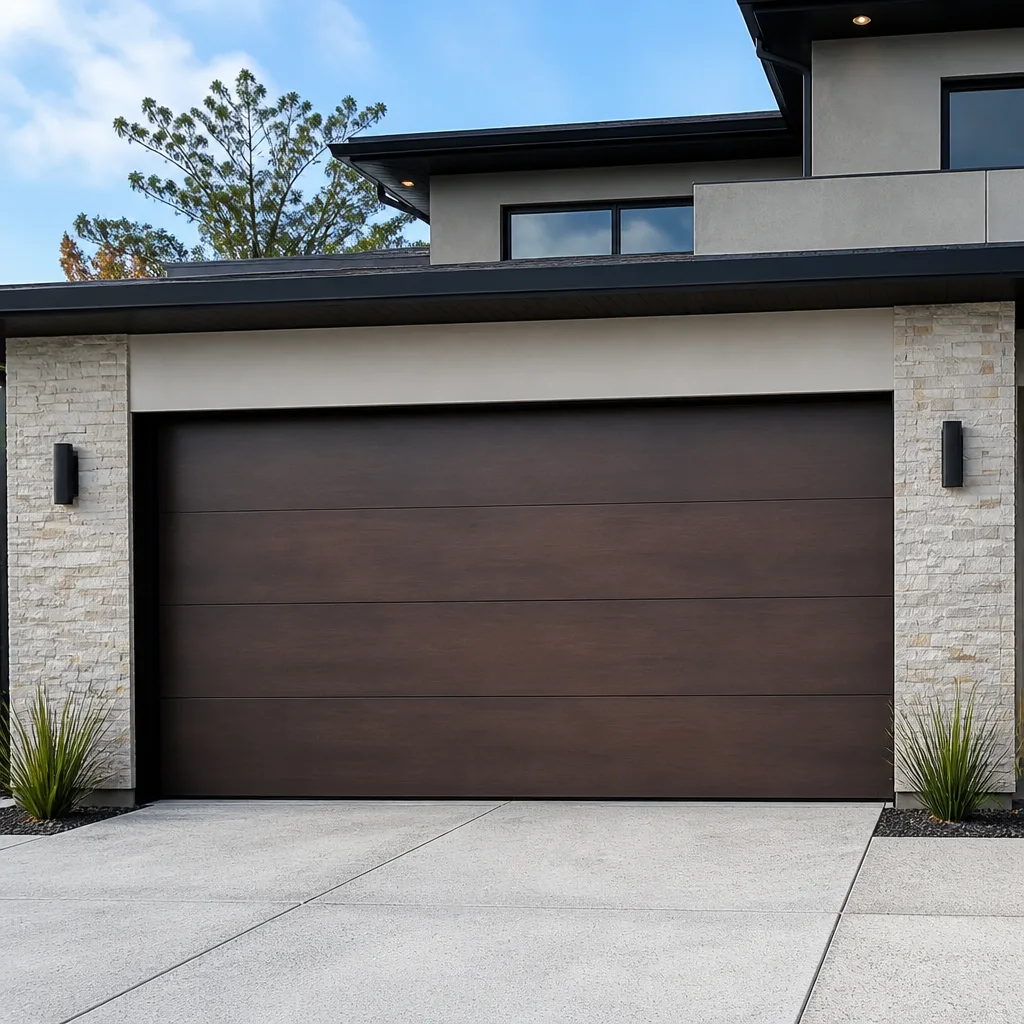 Modern flush
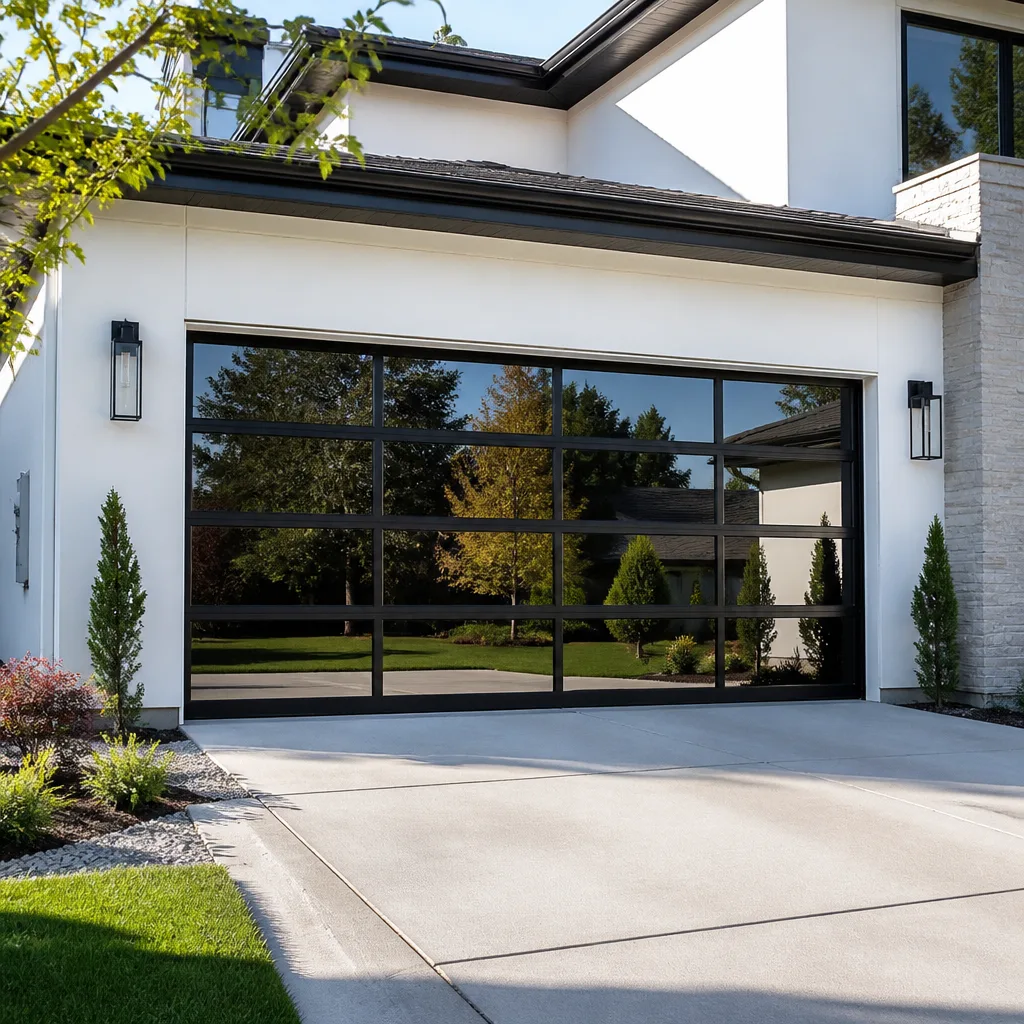 Full-view glass
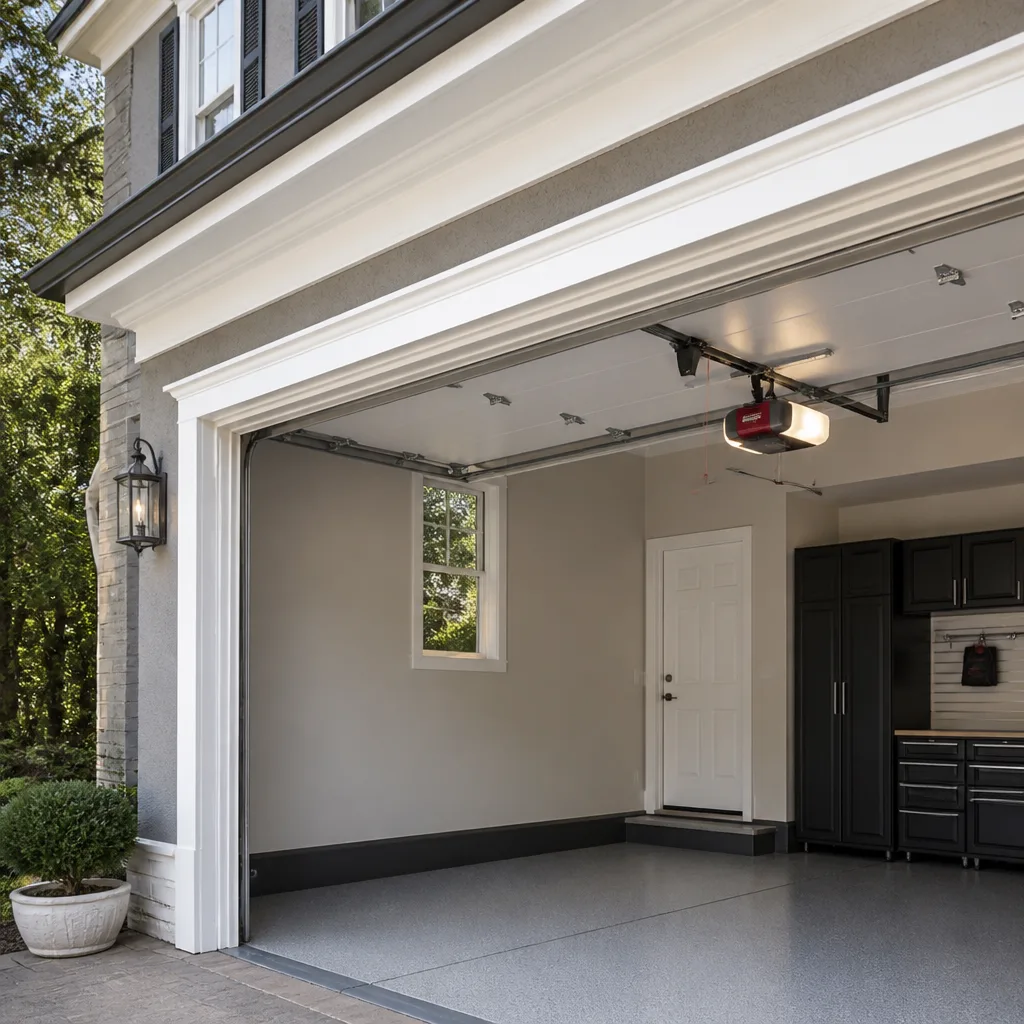 LiftMaster openers
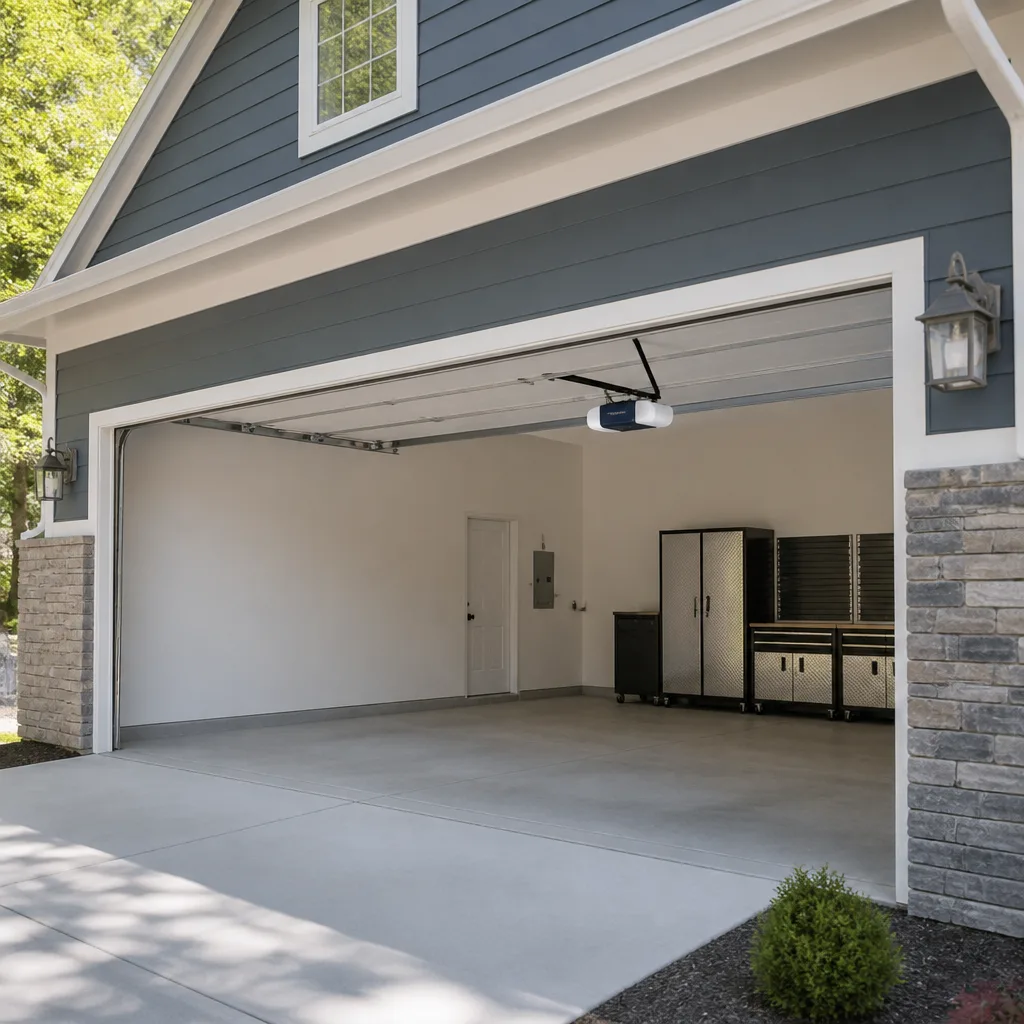 Chamberlain openers
Full 25-point door and opener safety check with every visit - springs, cables, rollers, tracks, and your LiftMaster or Chamberlain opener included
You get a price before we start. It does not change when the pro arrives.
Get your free estimateThe Complete Guide to Garage Doors in Brick Township
Most garage door guides are written for a door that lives in a dry, mild place. A door in Brick Township lives in something else entirely: humid summers, freezing winters, and an inland water table that pushes moisture into concrete, steel, and the thin wire inside a torsion spring. That difference changes what fails first, when it fails, and how much it costs to fix. Older ranch homes here also throw curveballs that national guides never mention, from non-standard opening heights to opener harnesses wired decades ago. This guide maps every major garage door decision to the conditions Brick Township homeowners actually face, so you spend money on the parts that matter and skip the ones that don’t.
Quick Answer
Garage door problems in Brick Township usually trace to one of four things: a failed torsion or extension spring, a bent or misaligned track, a worn opener gear or circuit board, or a panel that has cracked at a hinge point. Humidity, freeze-thaw cycles, and the salt and moisture in the air around Ocean County speed up corrosion on metal components, so doors here tend to need spring and cable service earlier than inland New Jersey doors of the same age. A licensed technician can diagnose the failure in one visit, tell you whether it’s cosmetic, mechanical, or a safety replacement, and quote the repair in writing before any work begins.
Styles & brands we work with
- Raised-panel steel
- Carriage house
- Modern flush
- Full-view glass
- LiftMaster openers
- Chamberlain openers
Table of Contents
- Why Brick Township Doors Fail Differently
- Springs: The First Component to Go
- Tracks, Cables, and Hinges: What Corrosion Does
- The 1970s-1990s Ranch Factor
- How to Read Your Garage Door Label
- Cosmetic, Mechanical, or Safety Replacement?
- Openers and Smart Home Compatibility
- Preventive Maintenance That Actually Works Here
Why Brick Township Doors Fail Differently
A garage door is a mechanical system that lives outdoors. That sounds obvious until you compare failure patterns across climates. In Brick Township, the door faces humid summers that keep steel damp for weeks, winters that freeze and thaw repeatedly, and an atmosphere around Ocean County that carries enough moisture and salt to rust bare metal faster than most homeowners expect. The visible result is cosmetic. The expensive result is what happens inside a torsion spring, inside a cable, and along the bottom edge of a steel panel.
We’ve worked on doors here for long enough to see the pattern clearly. Torsion springs that would last a decade or more in a dry climate often fail earlier near the coast. Cable drums seize. Bottom brackets rust to the point that they can’t be adjusted. Hinges develop surface rust within a few seasons because the zinc plating wears through where the hinge pivots. None of that means your door is falling apart – it means the maintenance schedule and material choices for a Brick Township home have to reflect the place.
What does this mean in practice?
- Galvanized steel springs and hardware last longer than untreated steel in this environment.
- Nylon rollers outperform steel rollers because they don’t rust and don’t need lubrication as often.
- Annual inspections catch corrosion early, before a stuck hinge becomes a bent track.
- Springs on a door facing the water side of town will likely need attention sooner than a door facing inland.
The place itself has plenty of variety. Brick Township runs from waterfront blocks near the Metedeconk and Barnegat Bay back into established neighborhoods like Herbertsville, Breton Woods, and Drum Point. Doors in the more exposed sections age differently than doors tucked into interior streets. That’s not a sales pitch – it’s a real variable when a technician looks at your hardware and estimates remaining spring life.
Springs: The First Component to Go
Springs are the component most likely to fail first on a Brick Township door, and they’re also the most dangerous component to touch. A torsion spring stores enough energy to move a door weighing hundreds of pounds, and when it snaps the energy releases instantly. Never attempt to adjust, remove, or replace a spring yourself. This is a job for a trained technician with the right winding bars and the right procedure.
Two spring systems show up in this area:
- Torsion springs mount horizontally above the door. Two springs are usually paired, one on each side, and a matched pair is typically replaced together because they’re under the same number of cycles. A price quoted for one spring covers one spring.
- Extension springs run along the horizontal tracks on each side. Common on older doors, and they require a safety cable running through the middle of the spring so a broken spring can’t fly across the garage.
How do you know a spring has failed? The door becomes extremely heavy, the opener strains or won’t lift it, the door slams when it closes, or you find a coil of broken spring on the floor above the door. If you see any of those signs, stop using the opener. Running an opener against a broken spring can burn out the motor and can damage the door panels.
When you need garage door spring repair, the technician should match the spring to your door’s weight, not just pick a spring off a shelf. Wrong-sized springs wear out fast and can leave the door unbalanced. A matched pair, installed correctly, gives you years of cycles in this climate instead of months. A written quote is standard: the price for springs is set by the estimate, not by a phone guess.
Tracks, Cables, and Hinges: What Corrosion Does
Springs grab the attention, but cables, tracks, and hinges do most of the quiet damage on Brick Township doors. The cable is a braided steel line that runs from the bottom bracket up to the drum, and it’s under enormous tension. Moisture and salt cause the braid to corrode from the inside out. A cable that looks fine on the outside can snap where it enters the drum.
Tracks corrode differently. Vertical tracks collect moisture at floor level, so rust tends to start where the track meets the concrete. Horizontal tracks pick up condensation on cold mornings. A rusty track doesn’t just look ugly – it grabs rollers, which forces the opener to work harder, which eventually wears out the opener gear.
Here’s what we check on every visit:
- Cables. Look for fraying, kinks, or rust along the length. Both cables should be replaced together.
- Drum and bracket bolts. Loosened bolts in this climate are usually a sign of flex from a slightly unbalanced door.
- Hinges and rollers. Rusted hinges bind. Steel rollers rust and skip. Nylon rollers last longer in a damp garage.
- Bottom seal and threshold. A worn seal lets water under the door. That’s where panels rust first.
- Track alignment. A track that’s been bumped by a car or a snow shovel bends the wrong way and grabs the door. Gaps at any point along the vertical or horizontal track mean repair.
Tracks and cables are the two places where a homeowner can do real damage trying to fix it as a weekend project. The cables are under hundreds of pounds of tension, and a released cable can injure or kill. Keep this work with a trained technician. If you notice a frayed cable or a rusted track, schedule garage door repair before something breaks.
The 1970s-1990s Ranch Factor
Brick Township grew fast in the 1970s, 1980s, and 1990s, and a lot of ranch and split-level homes from that era are still standing with their original garage openings. That matters more than it sounds. Garage openings from that period don’t follow modern standardized dimensions. A door from 1978 might be 7 feet tall in one bay and 7 feet 3 inches in another, or wider than a current standard on the same street. That affects every decision downstream.
Where this shows up:
- Panel replacement. A standard 21-inch panel won’t fit an opening that was built to a non-standard height. We measure before ordering, which is why a free measure and a written quote matter on any replacement job.
- Opener compatibility. Openers from that era often used a specific rail length or headroom clearance. A modern LiftMaster or Chamberlain opener installed on an older door needs the right rail length and the right reinforcement bracket.
- Insulation and sealing. Doors from that period weren’t insulated the way modern Clopay or Amarr doors are. A new door with modern insulation can be a meaningful upgrade on a ranch with an attached garage, but the framing has to accept it.
- Spring setup. Older doors may use extension springs where modern ones use torsion. Converting a system is possible, and often smart, but it changes the price and should be explained in the quote.
Before you buy a new door or a replacement panel, ask the technician to measure your opening. If a company quotes a standard-sized door without checking, you’ll end up paying for a custom make-up at the end.
How to Read Your Garage Door Label
Every garage door carries a label from the manufacturer. Learning to read it saves you a diagnosis call and helps any technician order the right parts the first time. The label is usually inside the door’s top section, on the bracket or panel sticker, or on the inside face of a panel close to the top hinge.
- Find the label. Stand inside the garage and look up at the top panel, near the middle. The label is often a silver or white sticker.
- Read the brand and model name. You’re looking for the manufacturer, like Clopay, Amarr, Raynor, or Wayne Dalton, and the model line.
- Find the door size. Width by height, usually printed in inches or feet on the sticker. Write both down.
- Locate the serial number. That’s what a technician uses to pull the exact panel and spring spec.
- Note the spring type. Look above the door. A horizontal bar with two coiled springs is torsion. Springs running along the tracks are extension. Say which when you call.
For the opener, the brand and model are printed on the motor head or the back of the housing. A LiftMaster or Chamberlain unit will have a model number you can read from the label. Genie units use a similar layout. When you call, tell us what you see and we’ll know which parts we’re likely to need before we arrive. That shortens the visit and helps hold the price. If you’d rather have us read the label, that’s what garage door opener repair visits are for – we’ll check the label, the springs, and the opener in one trip.
Cosmetic, Mechanical, or Safety Replacement?
The single biggest overpaying mistake on garage doors is replacing a whole door when only one part failed. The second biggest is refusing to replace a door that’s become unsafe. Knowing which category your issue falls in keeps the decision in your hands.
Cosmetic
Cosmetic issues don’t affect how the door works and don’t risk anyone in the house. Surface rust on the bottom section, faded paint, minor scratches on a steel panel, a slightly noisy hinge that doesn’t bind. Fix them when you want to, not because a technician has told you the door is failing.
Mechanical Repair
Mechanical issues affect how the door moves but don’t threaten the safety of the structure. A worn opener gear, a snapped spring, a bent track, a frayed cable, an opener board that went out during a power surge. These are all repairable. In our experience, most failing doors in Brick Township are mechanical repairs, not replacements.
Safety Replacement
Safety replacement is when the structure itself is a risk. Panels that have separated from the frame, a door that has warped so badly that it no longer sits in the tracks, bends in the track that can’t be straightened, a door well past its rated cycle count with spring and panel failures piling up. In those cases, repairing one part each season adds up to more than a new door would have cost.
If you’re in doubt, get a written assessment. A good technician will tell you directly: repair this, or replace this. Not the other way around.
Openers and Smart Home Compatibility
Openers fail differently than doors. The door gets heavy, the springs snap, the tracks bend. The opener just stops. The motor turns but doesn’t lift. The wall button works but the remote doesn’t. The door reverses for no reason. Each symptom points to a specific part.
Common opener failures in Brick Township garages:
- Burned-out motor capacitor. The opener hums but doesn’t move. This is one of the more common fixes and usually means a new capacitor, not a new opener.
- Worn drive gear. The motor runs, the chain moves, but the door stays put. The plastic gear inside the opener has stripped. That’s a rebuild, not a replacement.
- Circuit board failure. Usually after a power surge or lightning strike. The board controls the safety sensors, the wall button, and the remotes, so a board fault often looks like multiple problems at once.
- Safety sensor misalignment. The garage door reverses halfway down. Before calling, check whether the two sensor lenses at the bottom of the track are aligned and clean. If they are, it’s usually a wired connection or the board.
- Chain or belt wear. The opener is noisy or the door travels unevenly. Tension adjustment usually fixes it without replacing the opener.
LiftMaster and Chamberlain are the two opener brands most likely to matter for homeowners with connected home setups, because both support app-based control and voice integration on their newer models. If you’re replacing an opener, both are worth considering, and either one can be matched to the right rail length for an older Brick Township door. A Raynor or Genie opener on an older installation can also be repaired with the right parts. Our technicians are familiar with all four, plus the other major brands we service, so the recommendation comes from what’s actually on your door, not from a single brand we upsell.
Never replace an opener to solve a door problem. If the door is heavy, the springs are the problem, not the opener. An opener working against a bad spring will fail again.
Preventive Maintenance That Actually Works Here
Maintenance pays for itself in this climate. A few minutes twice a year can add years to your springs and cables.
- Lubricate hinges and rollers. A garage door lubricant, not WD-40, twice a year. Once before winter and once in late spring.
- Wipe the tracks. A dry cloth, no grease. Grease in the track attracts dust and grit that turns into paste. New rust spots on the track are a signal to schedule an inspection.
- Test the balance. Pull the release and lift the door halfway by hand. It should stay put. If it drops or rises on its own, the springs need attention.
- Check the safety reversal. Put a piece of wood or a brick under the door and hit the close button. The door should reverse when it hits the object. If it doesn’t, the sensor or the opener needs service.
- Look at the cables. Where the cable runs through the drum, look for rust, fraying, or loose tension. If you see any of that, stop using the door and call.
- Check the bottom seal. If the seal is torn or missing, water gets under the door and rusts the bottom section from below. Replacing the seal is cheap. Replacing the bottom panel isn’t.
If you take nothing else away from this guide: springs, cables, and tracks are not DIY. Everything else is fair to inspect, and a short checkup once a year catches problems while they’re still cheap to fix.
Common Mistakes to Avoid
- Assuming a heavy door is a door problem. Nine times out of ten it’s a spring issue. Replacing the door to fix a heavy lift is unnecessary, and the new door will open just as poorly if the spring setup is wrong.
- Buying springs based on price alone. A cheap spring that isn’t matched to the door’s weight wears out fast. Ask for the cycle rating on the replacement, and insist on a matched pair.
- Greasing the track. Grease attracts grit. A dry, clean track works better, especially in a humid garage where rust is already a problem.
- Ignoring a frayed cable. That cable is a high-tension line. Fraying means it’s already compromised. Drive the door by hand or leave it open until a technician replaces the cable.
- Ordering a door without measuring. A standard-size panel doesn’t fit older Brick Township ranch openings. Insist on a free measure and a written quote before ordering anything.
- Letting a small opener symptom turn into a bigger one. A humming motor, an intermittent remote, or a door that reverses once a week is usually a cheap fix that becomes expensive when it’s ignored for a season.
- Buying replacement from a company that doesn’t look at the door. A quote given over the phone without a measure can’t be accurate. The written estimate after a visit is the one that matters.
See the difference
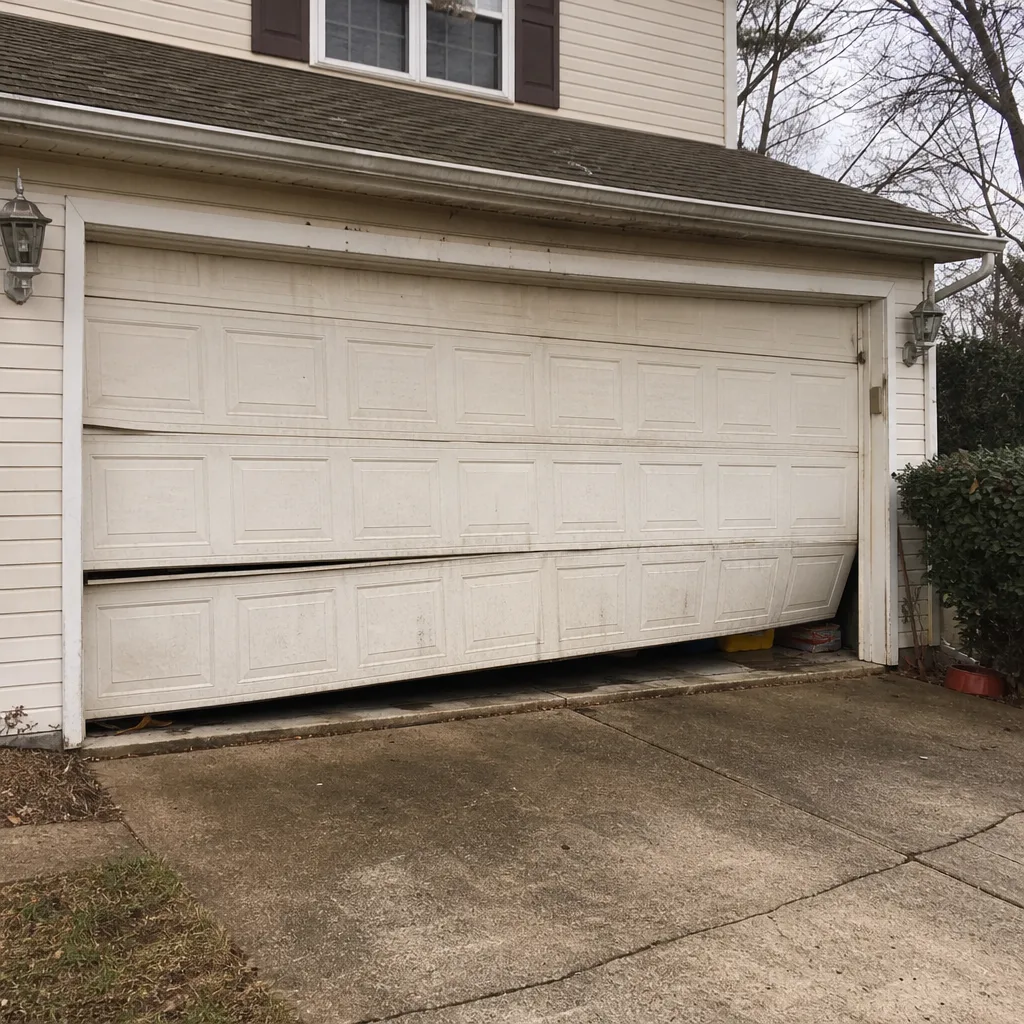 Before
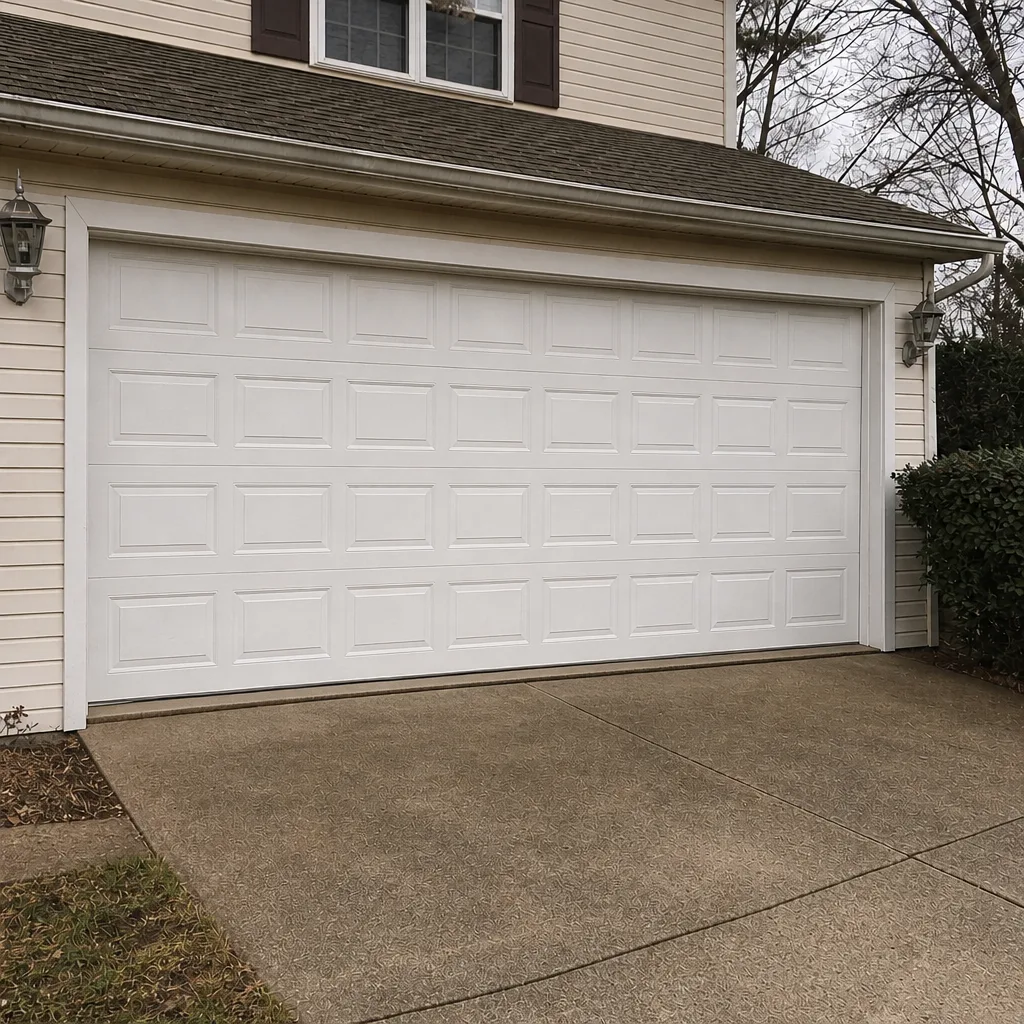 After
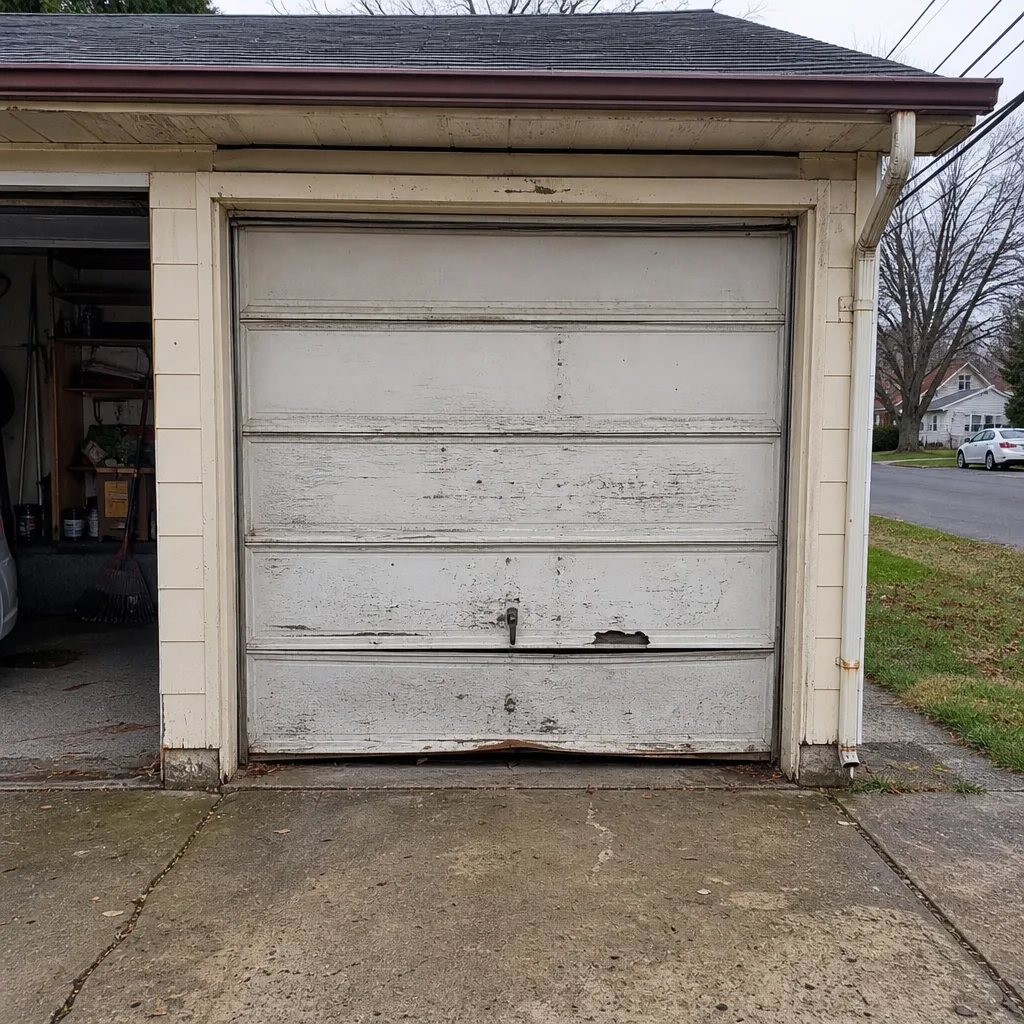 Before
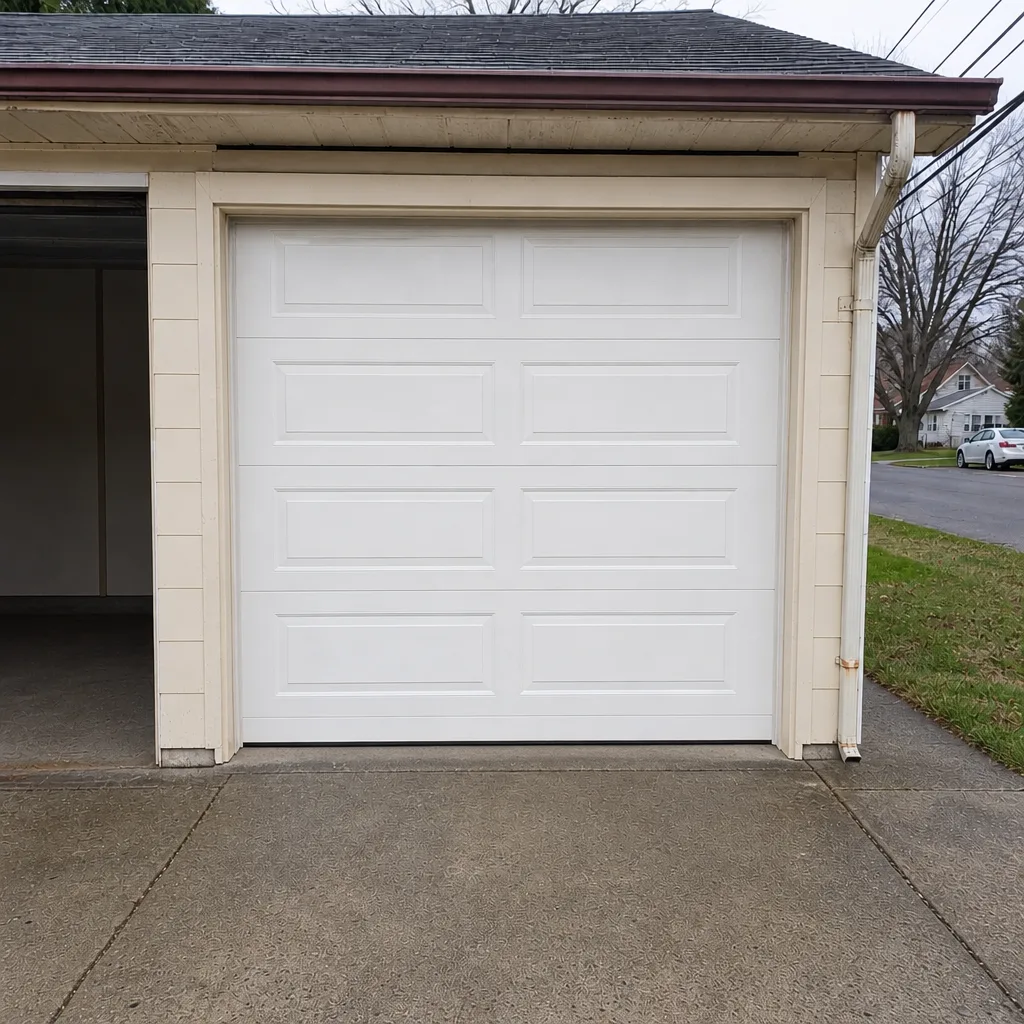 After
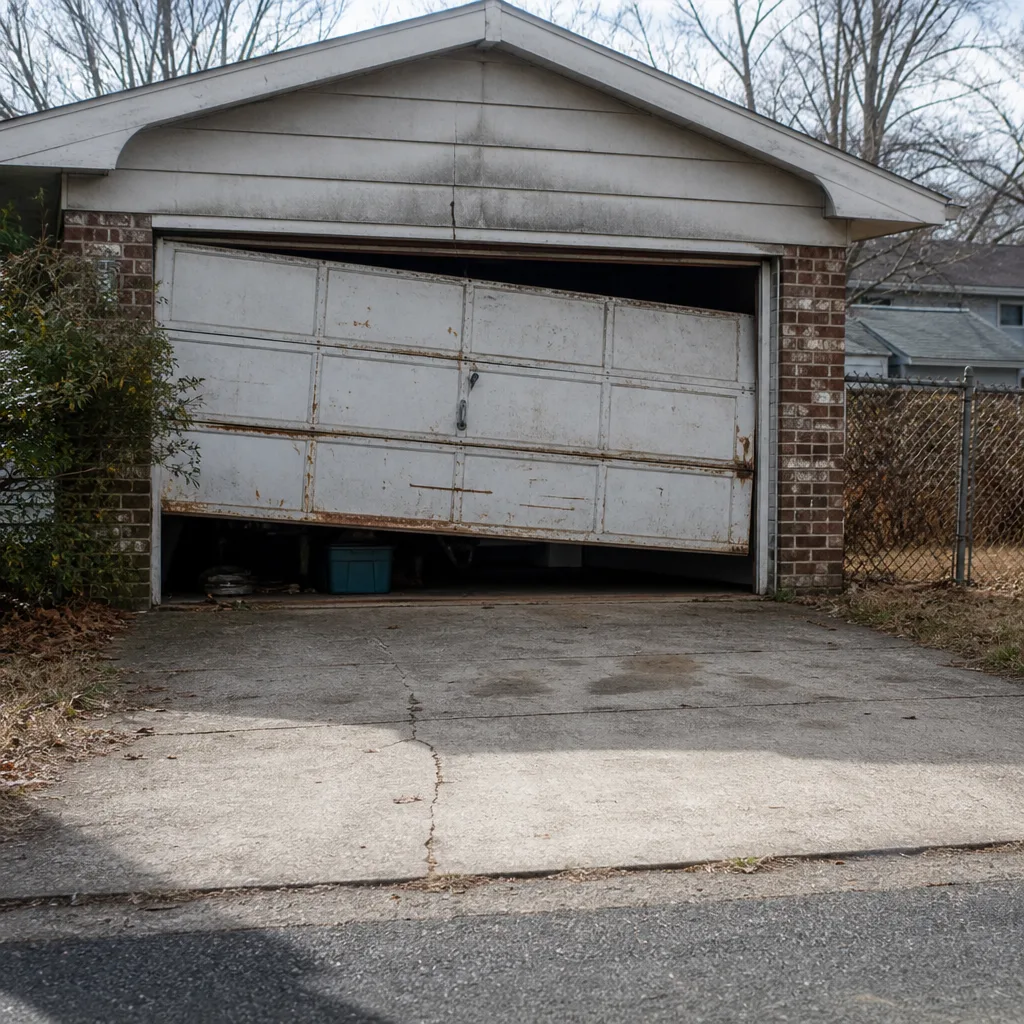 Before
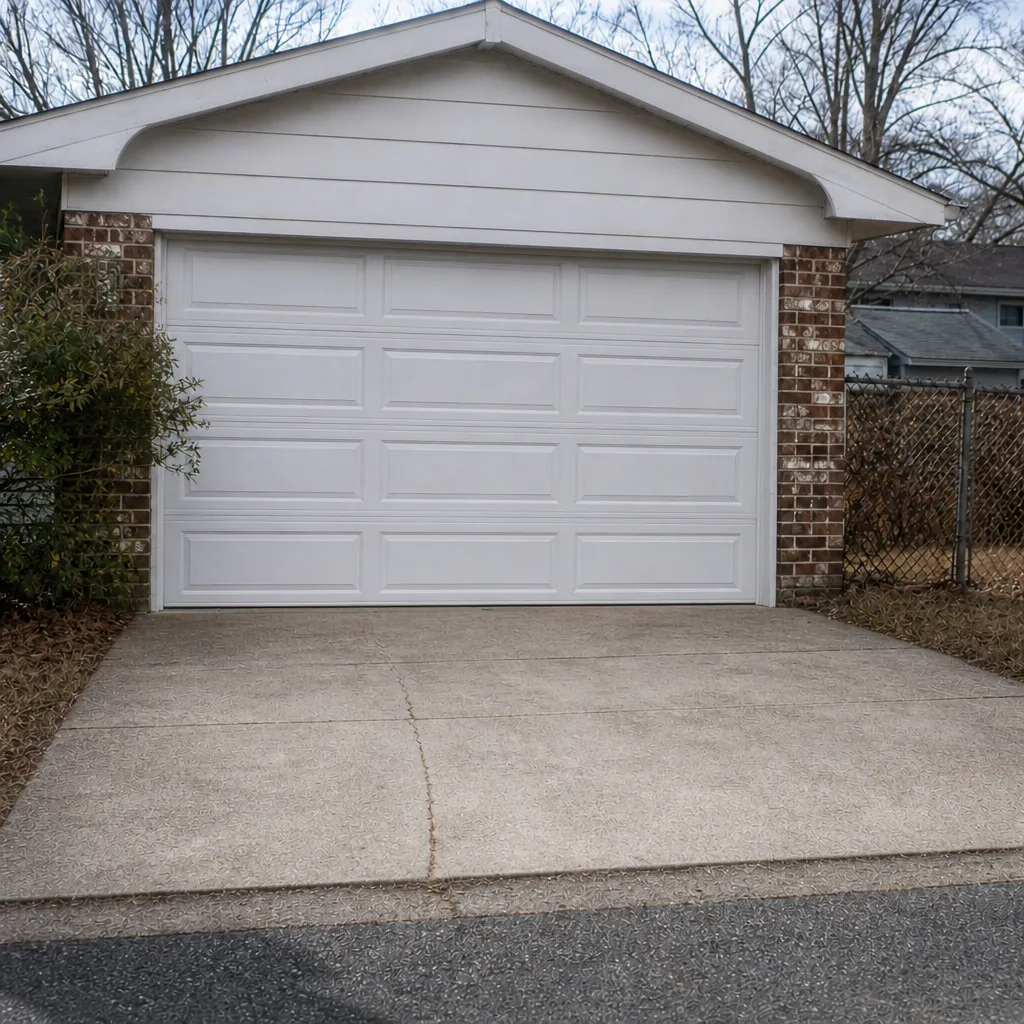 After
When to Call a Professional
Call a professional the moment you notice any of the following: a snapped spring, a door that won’t lift, a door that reverses for no reason, a frayed or kinked cable, a track that’s visibly bent, a break-in that left your door jammed, or an opener that hums but doesn’t move. Any spring or cable failure is a stop-using-the-door situation. Never try to lift a door with a broken spring by hand; it can slam down unexpectedly. Same-day service is available for repair calls in Brick Township. Garage Door Repair Brick offers free estimates in Brick Township – call (888) 569-3530. We answer 24/7. Fast dispatch from 7am to 7pm, Sunday through Friday. The price is always quoted and agreed in writing before any work begins.
Frequently Asked Questions
Spring repair is priced per job by the written estimate, because the cost depends on the spring type (torsion vs. extension), whether you’re replacing one spring or a matched pair, and how much surrounding hardware needs attention. A quote for one spring does not cover a pair, and a pair is usually the right call. Call (888) 569-3530 for a free estimate. The technician inspects the door, gives you a written price, and works only after you agree to it.
Yes, same-day repair calls are available in Brick Township. If your door is stuck open, stuck closed, or not opening at all, call (888) 569-3530. We answer 24/7. Fast dispatch from 7am to 7pm, Sunday through Friday. A call outside dispatch hours is booked into the next opening, and the first thing we do is give you a free written estimate before any work starts.
No. The price is set by the written estimate you agree to before work begins. If the technician finds something unexpected during the diagnosis, that gets added as a separate, itemized line you approve, or it doesn’t happen. We don’t give a phone quote and then bill more at the end.
Yes. The local professional who comes to your door is licensed and insured as the state of New Jersey requires, and our technicians have up to 12 years of experience with residential garage doors and openers. If you have questions about credentials before booking, ask when you call.
Repair usually wins on a mechanical failure – a spring, a cable, a bent track, an opener board. A new door makes sense when the door itself is failing: warped or separated panels, a structure that no longer sits in the tracks, or a door well past its rated life with multiple failure points adding up. A documented assessment tells you which one you need before you decide.
Yes. LiftMaster and Chamberlain are two of the major opener brands we work on, along with Genie, Craftsman, and Raynor. If your opener is connected to a smart home setup, we can usually keep the existing control platform and repair the hardware around it. Call (888) 569-3530 with the model number and we’ll confirm what we need before we arrive.
The Bottom Line
Brick Township garage doors live in a climate that eats springs, cables, and hinges faster than inland doors, so the maintenance schedule and material choices have to reflect it. Springs fail first, cables and tracks corrode quietly, and older ranch openings don’t always fit standard door sizes. Learn to read your door label, know whether your issue is cosmetic, mechanical, or a safety replacement, and never touch a spring or cable yourself. For anything that affects how the door moves, call a specialist. Garage Door Repair Brick works on the brands you actually have, from LiftMaster and Chamberlain openers to Clopay, Amarr, Raynor, and Wayne Dalton panels, and we quote the repair in writing before any work begins.
For Garage Door Repair Brick, the goal is simple: fix what’s broken, tell you what’s coming next, and no unnecessary replacement. We handle repairs, opener issues, springs, and full new installations across the same specialty, so you don’t need a different company for each part of the door’s life.
Call (888) 569-3530 for a free estimate in Brick Township. We answer 24/7. Fast dispatch from 7am to 7pm, Sunday through Friday.
Written by the team at Garage Door Repair Brick.