
Last updated November 21, 2026
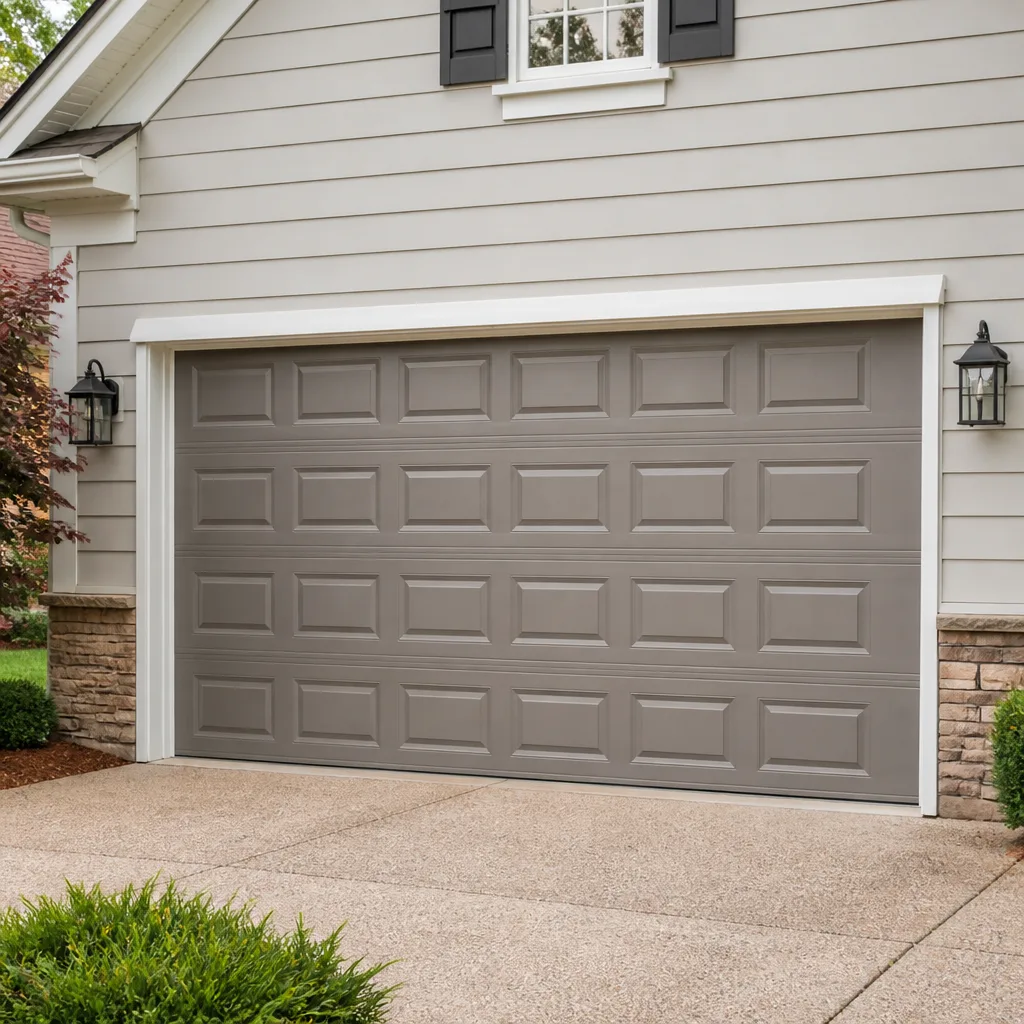 Raised-panel steel
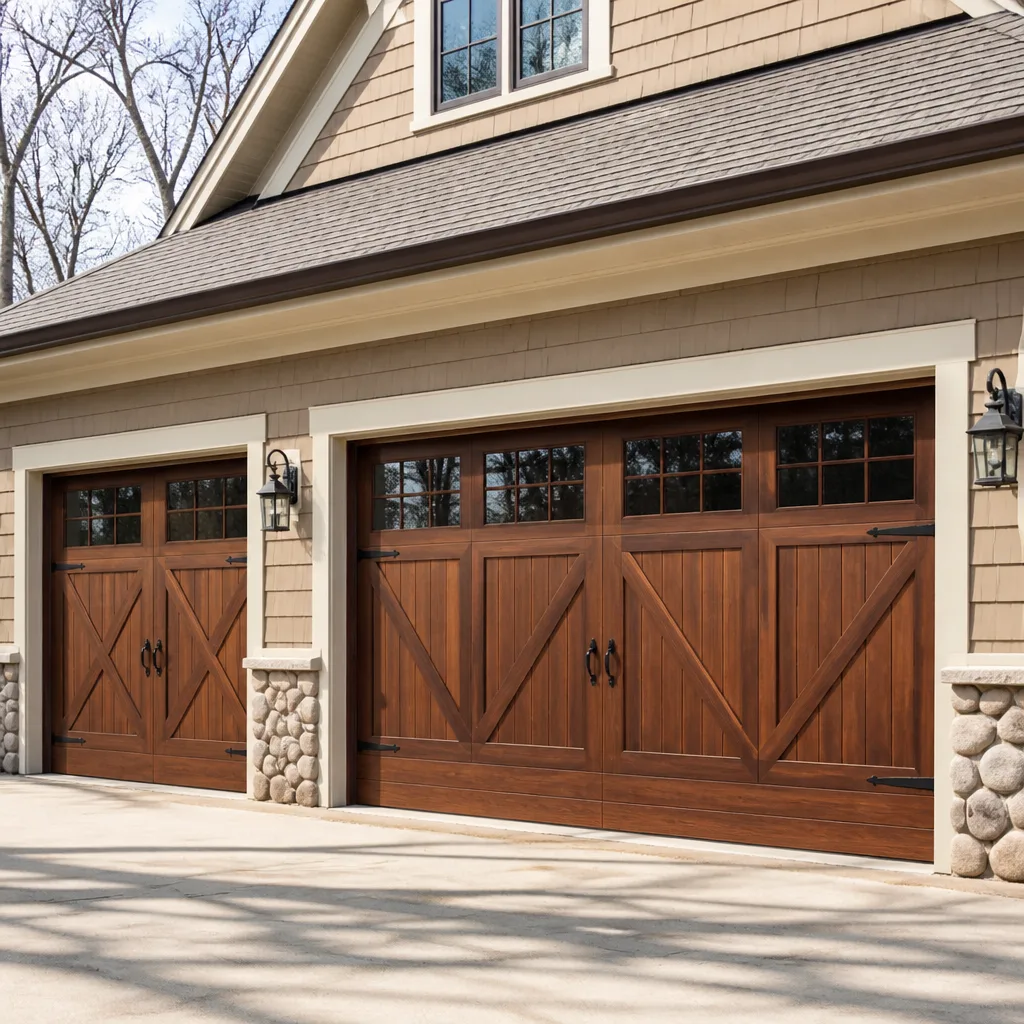 Carriage house
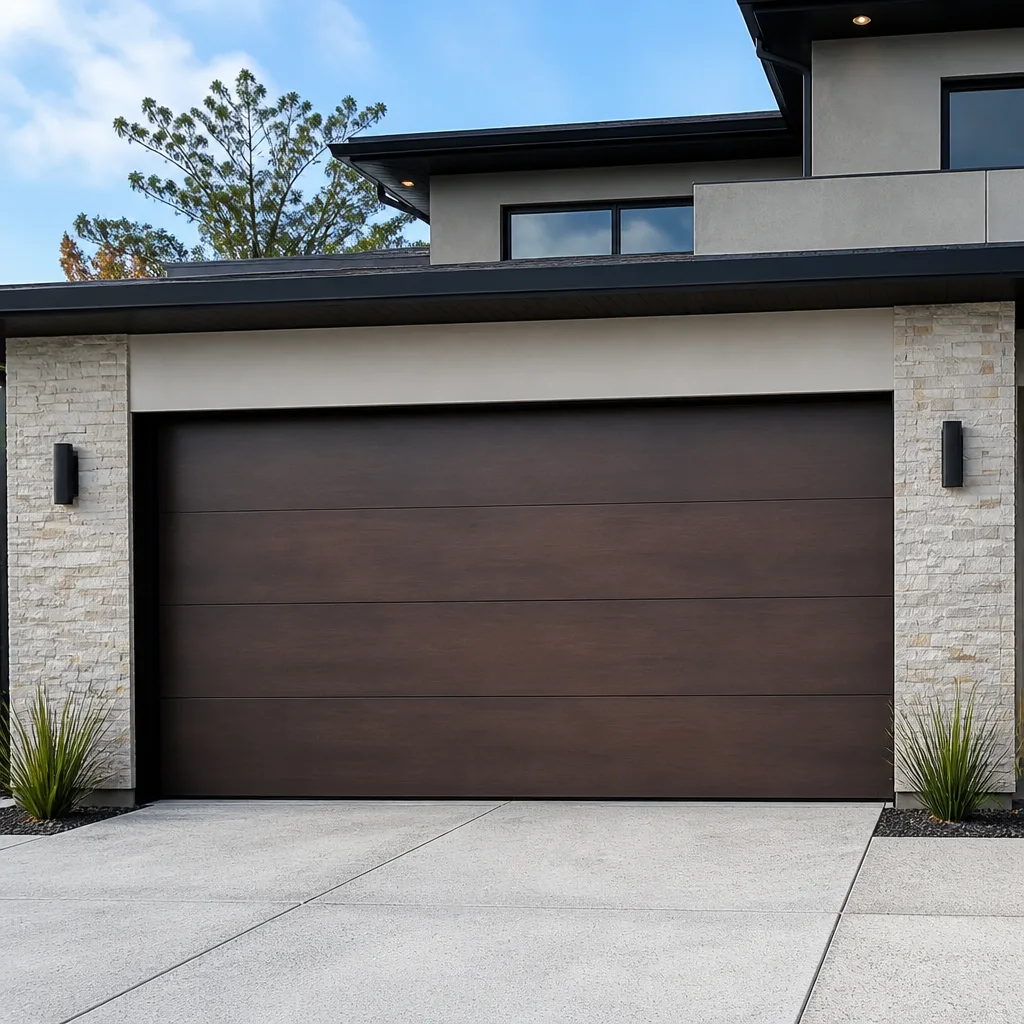 Modern flush
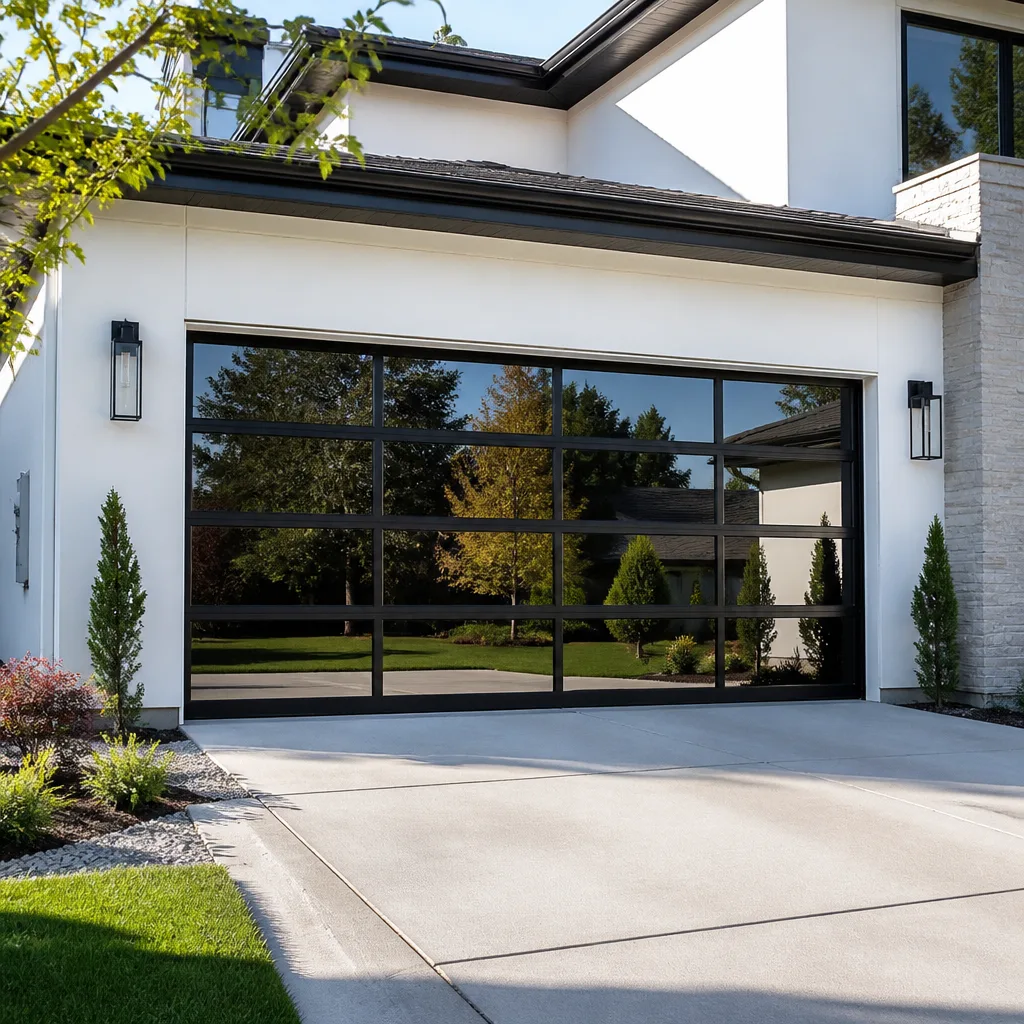 Full-view glass
 LiftMaster openers
 Chamberlain openers
Full 25-point door and opener safety check with every visit - springs, cables, rollers, tracks, and your LiftMaster or Chamberlain opener included
You get a price before we start. It does not change when the pro arrives.
Get your free estimateDIY vs Professional Garage Door: The Brick Township Homeowner’s Decision Guide
Most homeowners who get hurt working on a garage door were not overconfident. They were misinformed about which tasks are actually safe. The line isn’t drawn where people think. Swapping a bottom seal or nudging a safety sensor back into place is genuinely a homeowner job. Touching a torsion spring is not, and it has nothing to do with how handy you are. A torsion spring under tension stores enough energy to throw a winding bar across a garage with real force, and the injury pattern from a slipped bar is one emergency rooms recognize on sight. In this guide we’ll walk task by task through what you can safely handle in a Brick Township garage, what belongs with a trained technician, and how a failed DIY attempt usually costs more than the original repair would have.
Quick Answer
Weatherstripping, lubrication, safety-sensor alignment and opener remote programming are safe for most homeowners to handle. Torsion springs, extension springs, cable drums, and any track work on a door under load are not, because the stored energy can cause serious injury in a fraction of a second. For anything involving springs or cables, call a trained technician; for everything else, a free estimate tells you whether the job is worth doing yourself.
Styles & brands we work with
- Raised-panel steel
- Carriage house
- Modern flush
- Full-view glass
- LiftMaster openers
- Chamberlain openers
Table of Contents
- The Task-by-Task Safety Matrix
- Why Torsion Springs Are the Hard Line
- The Tools Real Spring Work Requires
- Opener Programming and Sensor Work You Can Do
- DIY vs Professional: The Real Cost Comparison
- How to Spot a Previous DIY Repair Gone Wrong
- What Brick Township Conditions Do to Your Door
- When to Stop and Call
The Task-by-Task Safety Matrix
The useful question isn’t “can I fix this?” It’s “if this goes wrong, what happens to me?” Sort every garage door job by that question and the picture gets clear fast. Here’s how the tasks break down in our experience across Brick Township homes.
Safe for most homeowners:
- Weatherstripping and bottom seals. Peel out the old seal, slide in a new one, done. No stored energy involved.
- Lubrication. A light application on hinges, rollers and the torsion bar bearing plate keeps things quiet and slows wear. Use a proper garage door lubricant, not WD-40.
- Safety sensor alignment. If the door reverses for no reason, the photo-eye on one side is often knocked out of line. Straighten it, wipe the lens, check the indicator light.
- Opener remote and keypad programming. Every major brand, from LiftMaster to Genie, publishes its pairing sequence. It’s button presses, nothing mechanical.
- Visual inspection. Looking at springs, cables and rollers for wear is safe and smart. You just can’t fix what you find without training.
Not safe, no exceptions:
- Torsion springs. The highest-energy component on the whole door. This is the line.
- Extension springs. Lower energy per spring, still enough to injure. They also need the door fully raised and blocked before anything is touched.
- Cable drums and cables. Cables run under hundreds of pounds of tension. A released cable whips.
- Track realignment on a loaded door. Tracks look simple. With the door’s weight riding on them, they aren’t.
- Panel replacement on a torsion system. The springs have to come down first, or the door can fold.
The pattern is consistent: anything holding stored energy is technician work. Our garage door spring repair service exists as a separate offering for exactly this reason. It’s the part of the trade that demands real mechanical training.
Why Torsion Springs Are the Hard Line
A torsion spring stores roughly 100 foot-pounds of torque when it’s wound to balance a standard single-car door, and more on a double. That number sounds abstract until you consider what it means. The spring’s whole job is to hold the door’s weight in suspension so a person can lift it by hand. Every time you raise that door, a wound spring is doing the heavy lifting. When a spring is being replaced and the winding bar slips, that stored torque releases at once. Winding bars get thrown. Hands get caught between the bar and the door. Fingers and wrists take the worst of it.
What makes this different from other home repairs is the lack of warning. A stripped screw gives you feedback. A torsion spring either holds or it releases, and the release happens faster than a person can react.
There’s a second layer to spring work that DIY videos gloss over. Springs are matched to the door’s weight and height. Put on the wrong wire gauge or wind it to the wrong number of turns and the door will be unbalanced, which strains the opener and the cables. The door may work for a while and then fail in a way that’s harder to fix than the original problem. That’s why spring failure is a safety issue, and the response is a technician with the right spring, the right bars and a scale.
If you suspect a broken spring, stop operating the door. Leave it closed and call. We work on LiftMaster and Chamberlain systems as well as the door hardware itself, and our garage door repair service covers spring replacement alongside everything else on the door. Our technicians have up to 12 years of experience with this exact failure.
The Tools Real Spring Work Requires
This is where a lot of well-intentioned DIY attempts come apart. The winding bars sold at general hardware stores are frequently undersized for the springs found on most residential doors. A bar that’s slightly too thin or too short can slip out of the winding cone under load, and when it does, the spring’s energy goes wherever the bar isn’t. A proper set of winding bars is sized to the cone, made of hardened steel, and long enough to keep hands clear. That’s not a subtle difference. It’s the difference between a controlled wind and an uncontrolled release.
The full tool list for safe spring work looks like this:
- Two matched winding bars sized to the spring’s winding cones, not the generic pair from a big-box store.
- A door scale to confirm the door’s actual weight so the replacement spring matches.
- C-clamps to lock the door in the raised position before any spring is touched.
- Vice grips or locking pliers for the torsion bar as a backup hold.
- A winding chart or manufacturer spec for the correct number of turns on the new spring.
- Proper eye protection, worn for the whole job, not just the wind.
Add the knowledge of which spring to buy and how many turns it needs and you have a job that’s less about strength and more about preparation. A homeowner can assemble that kit, but the first time doing it is not the time to learn. There are no second chances on a slipped bar. If you’d rather not test that, our Garage Door Repair Brick team handles spring work as routine service.
Opener Programming and Sensor Work You Can Do
Opener work is where DIY genuinely pays off, because most of it is button presses and line-of-sight checks. The stumbling block is that every brand does it a little differently, and generic advice gets people lost. Here’s how the common jobs go on the major platforms.
Safety sensor alignment. Look at both sensors at the bottom of the tracks. Each has an indicator light. A steady light on both means they see each other; a blinking or dark light on one means it’s misaligned, dirty or the wiring is loose. Straighten the bracket, wipe the lens with a dry cloth, and check the light again. If the light stays out after that, the sensor or its wiring needs attention from a technician.
Remote pairing on LiftMaster and Chamberlain. The two share a programming platform, and most of their remotes pair the same way: press the learn button on the motor head, then hold the remote button within a set window. If you have a wall control with a menu display, the pairing runs through that instead. Both brands publish the exact sequence for your model, and the model number is on a sticker on the motor housing.
Travel limit and force adjustment. These are the two dials or menu settings that control how far the door travels and how hard the opener pushes. Small adjustments are reasonable if the door stops a few inches short or reverses at the floor. If the opener needs large force adjustments to close the door, that’s a sign of a mechanical problem, not an opener setting. Stop adjusting and have the door checked.
When to leave the opener alone. Any work inside the motor housing, gear replacement, logic board swaps and travel problems that persist after a small adjustment belong with a technician. Our garage door opener repair covers both the LiftMaster and Chamberlain platforms, which between them account for most of the residential openers in use in Brick Township.
DIY vs Professional: The Real Cost Comparison
DIY math usually stops at the parts price. That’s where it goes wrong. A spring replacement done yourself looks cheap on paper: the spring and a set of bars. A spring replacement done professionally includes the right spring, the labor and the confirmation that the door is balanced. The difference is small compared to what a botched spring costs to correct, because a failed DIY spring job typically means a bent door, damaged cables or a stripped opener, and fixing all of that runs well past the original repair.
Here’s how the honest comparison breaks down by task:
- Weatherstripping. DIY wins. The material is inexpensive and the job is genuinely simple. No contest.
- Sensor alignment. DIY wins. It’s a screwdriver and a cloth. Only call if alignment doesn’t fix it.
- Lubrication and remote programming. DIY wins. Minimal cost, no risk.
- Opener diagnosis. Mixed. A remote or sensor issue is doable; a motor or logic board problem isn’t. A free estimate settles which one you have before you spend anything.
- Spring replacement. Professional wins clearly. The parts cost isn’t the variable; the risk and the correction cost if it goes wrong are.
- Cable, drum or track work. Professional wins clearly. These are load-bearing components, and a bad repair shows up later.
- Full door replacement. Professional, and not close. Measuring, ordering and hanging a new Clopay or Amarr door is a two-person job with a warranty attached.
The practical rule: price the parts and your time for anything on the DIY side, and price the parts plus the correction cost for anything on the technician side. Once you do that, the decision usually makes itself. We quote every job from a written estimate, free, and you’ll know the total before we start.
How to Spot a Previous DIY Repair Gone Wrong
If you bought a Brick Township home recently, the garage door may carry someone else’s repair. Most bad DIY work leaves traces, and knowing what to look for is a safe job for any homeowner. A flashlight and five minutes will do it.
- Check the spring wind direction. Both springs on a two-spring door should be wound the same direction and appear equally tight. Mismatched springs are a sign someone replaced one side only, and the door will wear unevenly.
- Look for tool marks on the winding cones. Gouges or a rounded-off cone from an undersized bar are a clear sign of an attempted DIY job.
- Inspect the cables. Cables should sit evenly in their drums with no fraying, kinks or wire ends sticking out. A cable that has been re-crimped by hand is a hazard.
- Check the track bolts. Look for stripped or missing bolts, or brackets bent at an angle. Tracks that have been “adjusted” by force often show it.
- Test the balance. Disconnect the opener and lift the door halfway. It should stay put. If it drops or rises on its own, the springs are wrong for the door.
- Test the safety reverse. Put a roll of paper towels in the door’s path and close it. The door should reverse on contact. If it doesn’t, the force setting has been turned up to mask a problem.
- Look at the opener’s mounting. A bracket that’s been re-drilled or hung from something other than a proper header is worth a second look.
Any one of these alone isn’t proof, but two or more together warrant a professional check. We’ve seen plenty of Brick Township doors where a single spring swap created a balance problem that shortened the opener’s life.
What Brick Township Conditions Do to Your Door
Local conditions matter more than most guides admit, and Brick Township has a few worth knowing. The Shore-area climate brings summer humidity that works on the metal hardware on the door, and the temperature swings between seasons cycle the springs constantly. A spring that gets thousands of expansion and contraction cycles a year wears faster than the same spring in a stable climate. The result for homeowners here is that spring life can run shorter than the manufacturer’s estimate, and a door that seemed fine in the fall may be noticeably heavier by spring.
Use these local habits to extend the life of any door, whether you go DIY or professional:
- Lubricate before the cold season, not after. Hinges, rollers and the torsion bearing plate need fresh lubricant going into the colder months.
- Listen to the door in cold weather. A creak that shows up only in winter is usually a dry hinge or roller, not a failing spring.
- Check the bottom seal every spring. Winter freezing and thawing cracks seals faster than summer wear, and a split seal lets water in under the door.
- Watch the door’s weight season to season. If lifting it by hand gets noticeably harder, the springs have lost tension and should be checked.
Our technicians have worked on doors across Brick Township for years, and our garage door opener repair work here often uncovers springs that are past their prime because of those seasonal cycles. If your door feels heavy or sounds different than it did last year, that’s the signal to have it looked at.
When to Stop and Call
There are clear signs that mean stop what you’re doing and call a technician. Any snapped or visibly sagging spring. A door that hangs crooked or won’t close flush. Cables that have jumped their drums or show fraying. A door that won’t lift by hand even with the opener disengaged. Any of these means the door is no longer balanced, and operating it puts strain on everything else. Keep it closed, keep it secured, and call.
Here in Brick Township, we offer free estimates and honest pricing. If a job is genuinely a DIY task, we’ll tell you. If it’s a spring, cable or track issue, our garage door spring repair team handles it. Call (888) 569-3530. We answer 24/7. Fast dispatch, 7am-7pm. The price is quoted and agreed before any work starts, and the written estimate is the price.
Common Mistakes to Avoid
- Using an undersized winding bar. The generic bars from a hardware store are often too thin for residential springs. A bar that slips under tension is how most DIY spring injuries happen.
- Replacing one spring on a two-spring door. Matched springs need to be replaced together. One new spring next to a worn one pulls the door out of balance and wears the opener.
- Turning up the opener’s force setting to hide a problem. If the opener needs to push hard to close or lift the door, the springs or cables are at fault, not the opener.
- Winding a spring without checking the door’s weight. The spring must match the door. Guessing the wire gauge is a quick way to get the wrong spring and a door that’s unbalanced from day one.
- Operating the door with a broken spring. The opener is lifting the entire door weight alone. Running it that way strains the opener and can damage the panels.
- Ignoring a door that squeals in cold weather. A squeal is usually a dry hinge or roller, and catching it early is a few minutes with lubricant. Letting it go leads to worn parts.
- Skipping the safety reverse test after any repair. Reconnect the opener and test the safety reverse every time. It’s a 30-second check that confirms the door is still doing what it should.
See the difference
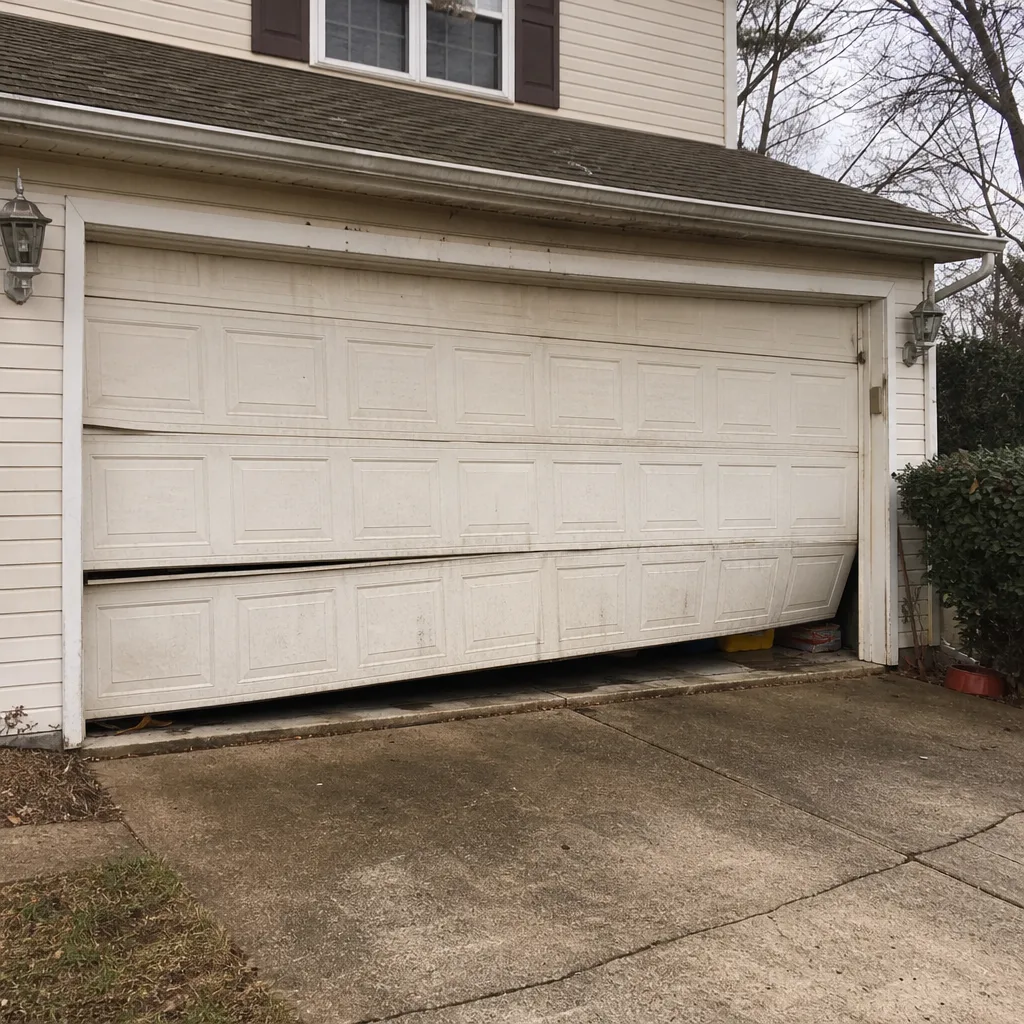 Before
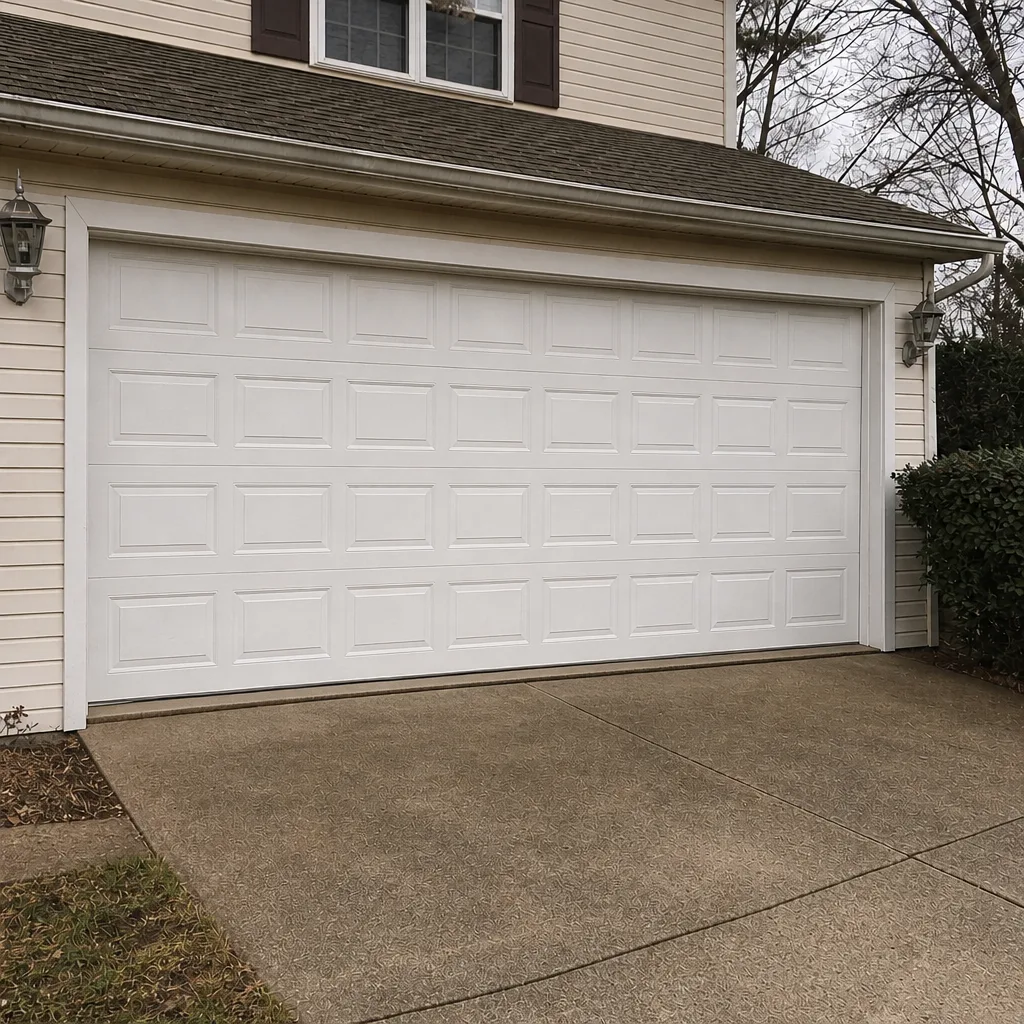 After
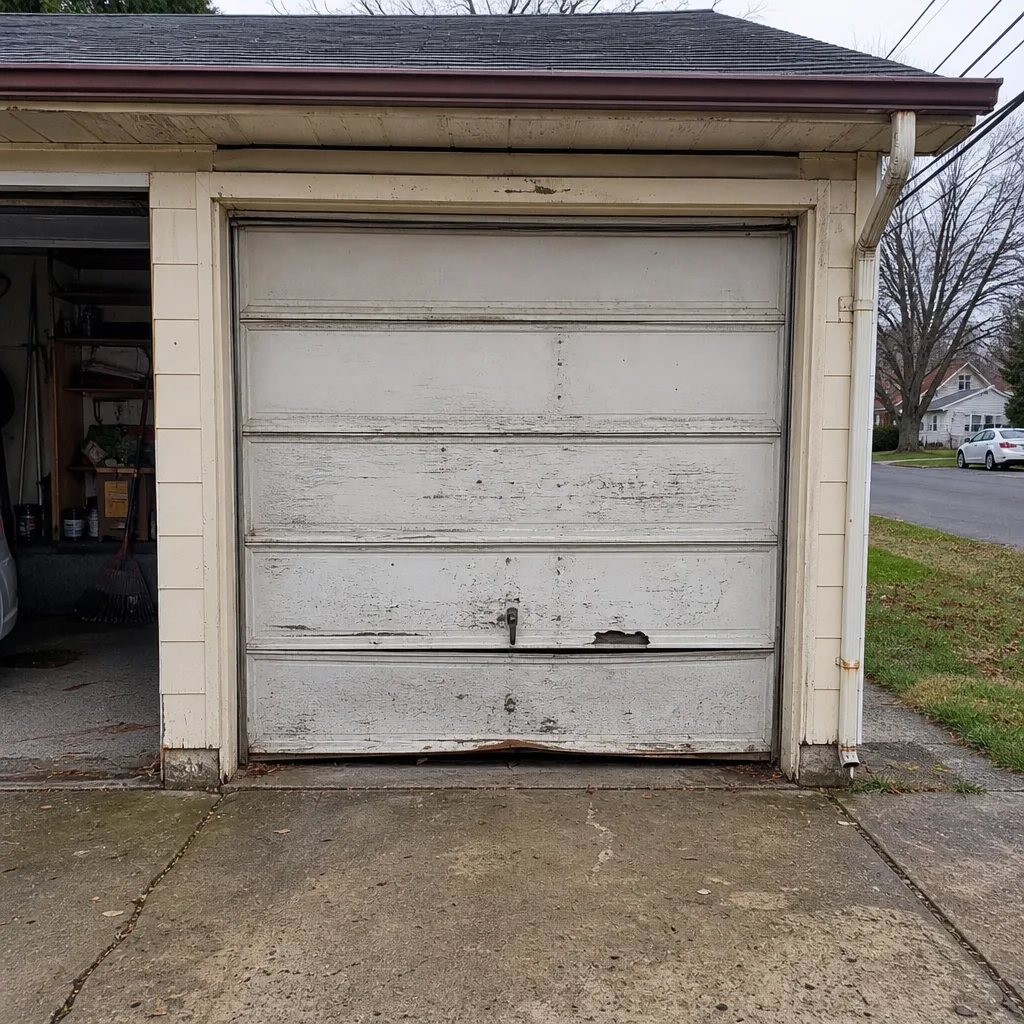 Before
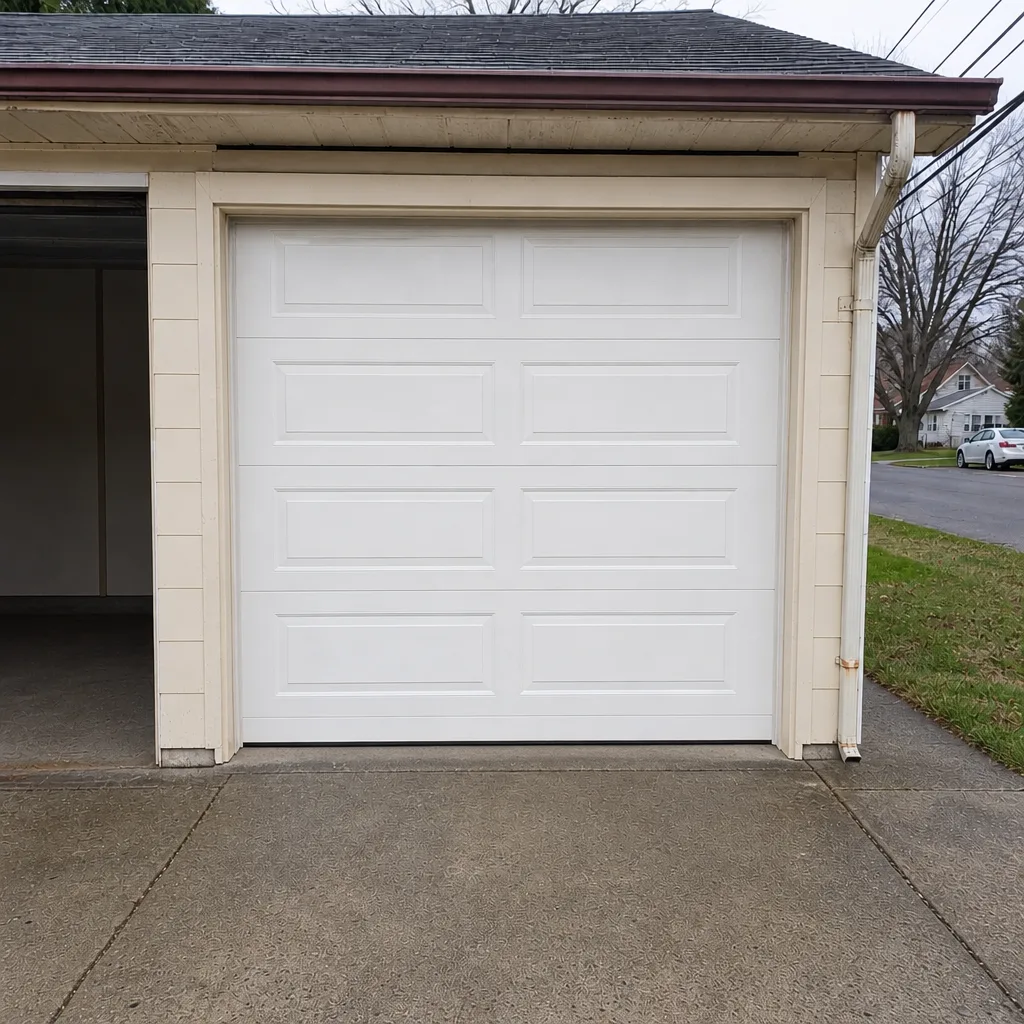 After
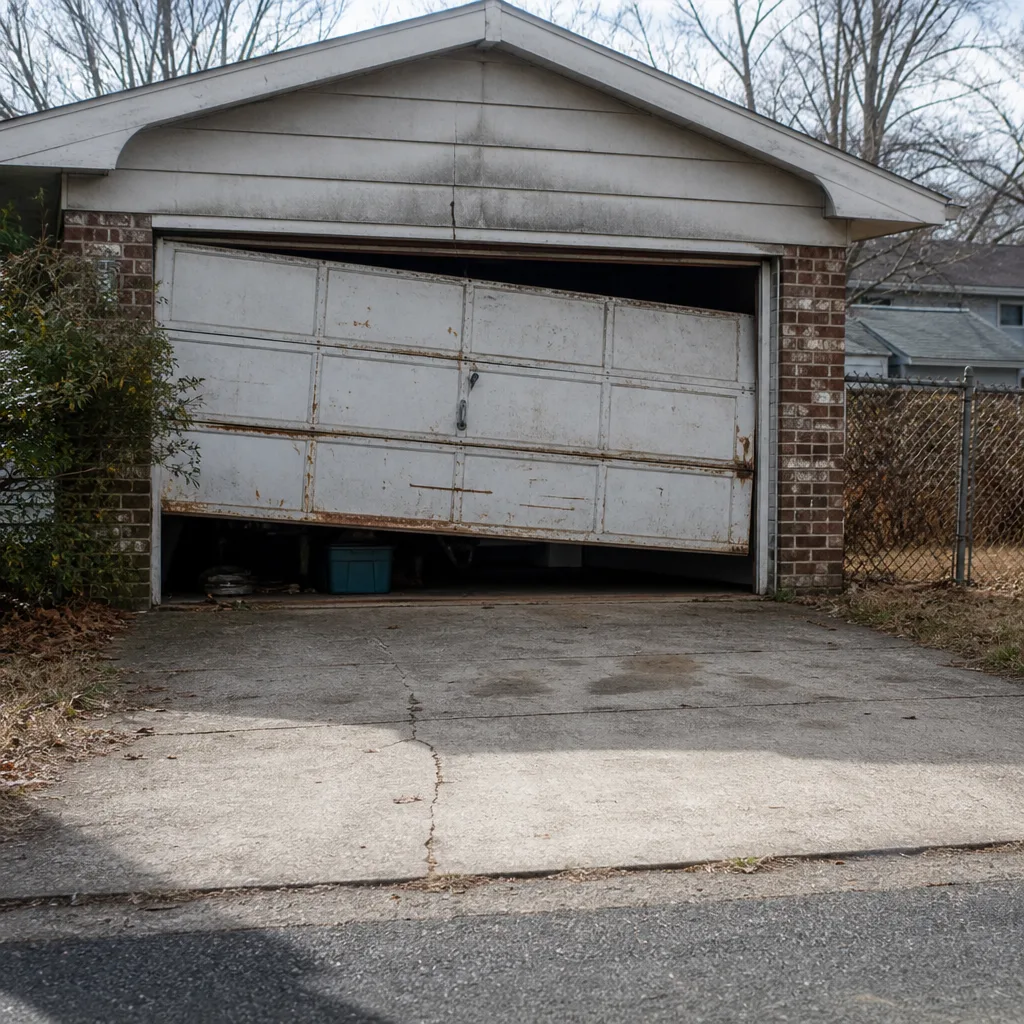 Before
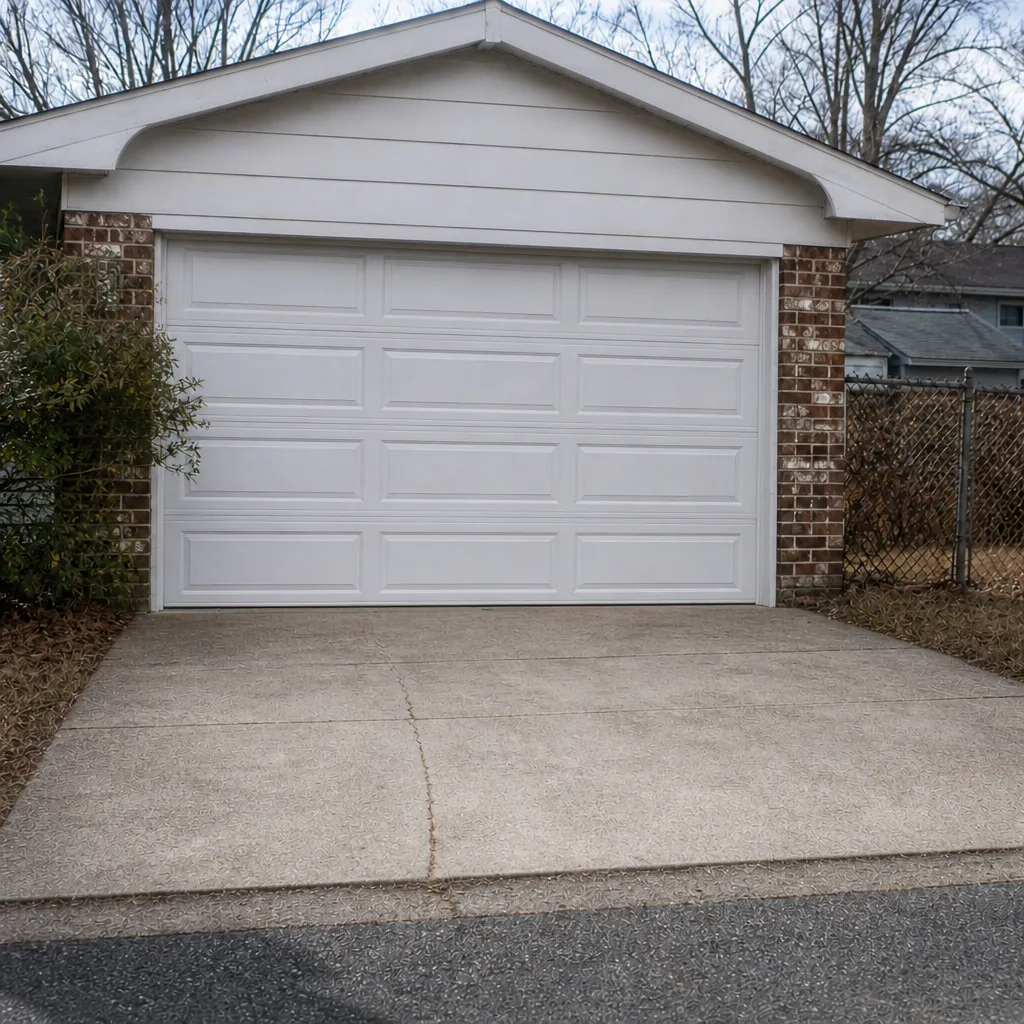 After
When to Call a Professional
Call a professional for every spring or cable issue without exception. That’s the short answer, and it holds for any Brick Township door. Beyond springs, call when a door hangs crooked, when cables jump a drum, when the opener motor runs but the door doesn’t move, when the door reverses on its own after sensor alignment, or when you’re planning a full replacement. General garage door repair covers those, and a free estimate tells you whether a repair is enough or a replacement is the sensible route. Garage Door Repair Brick offers free estimates in Brick Township, and we answer 24/7. Call (888) 569-3530 to book a time.
Frequently Asked Questions
We don’t recommend it. A torsion spring holds roughly 100 foot-pounds of torque, and a slipped winding bar releases that energy instantly with no warning. The risk of serious injury is high, and the right tools and the correct spring match are not something most homeowners have at home. Call (888) 569-3530 for a free estimate instead.
Spring replacement is priced per spring from a written estimate, and a two-spring door means a pair. The estimate is free, the price is agreed before any work starts, and the written quote is what you pay. Call (888) 569-3530 to get an exact number for your door.
Yes, in most cases. Lubricating hinges, rollers and the torsion bearing plate is safe and worthwhile. So is aligning the safety sensors and programming a remote. If a door needs more than that, that’s when a professional should look at it.
Look for a spring replacement on one side only, gouges or rounded winding cones, frayed or re-crimped cables, and a door that won’t stay put when you lift it halfway by hand. Any one sign is worth a professional inspection. Call (888) 569-3530 for a free check.
Repair is usually the answer unless the panels are structurally damaged or you want to change the door’s style or insulate it. A free estimate tells you which way the math goes. We don’t steer toward replacement when a repair will do.
We work on the major brands, including LiftMaster, Chamberlain, Genie, Clopay, Amarr, Wayne Dalton, Craftsman and Raynor. Whether it’s the opener motor or the panel itself, we’ve seen the failure before. Call (888) 569-3530 and tell us the brand on your door.
You speak with someone who knows garage doors, and you get a free estimate before any work is agreed. We answer 24/7. Fast dispatch from 7am to 7pm, Sunday through Friday, and we’re closed Saturday. Call (888) 569-3530.
The Bottom Line
The DIY-versus-professional question is really a sorting question. Weatherstripping, lubrication, sensor alignment and remote programming are yours to handle, and doing them yourself keeps the door in good shape between real repairs. Torsion springs, cable drums and track work belong with a trained technician, because the stored energy leaves no room for a learning curve. Around Brick Township’s seasonal swing, the door takes real wear each year, so knowing which job you’re looking at saves money and a trip to the emergency room. We’re here for the jobs that cross the line. Same door, fixed right, no unnecessary replacement.
Written by the team at Garage Door Repair Brick.