
Last updated November 21, 2026
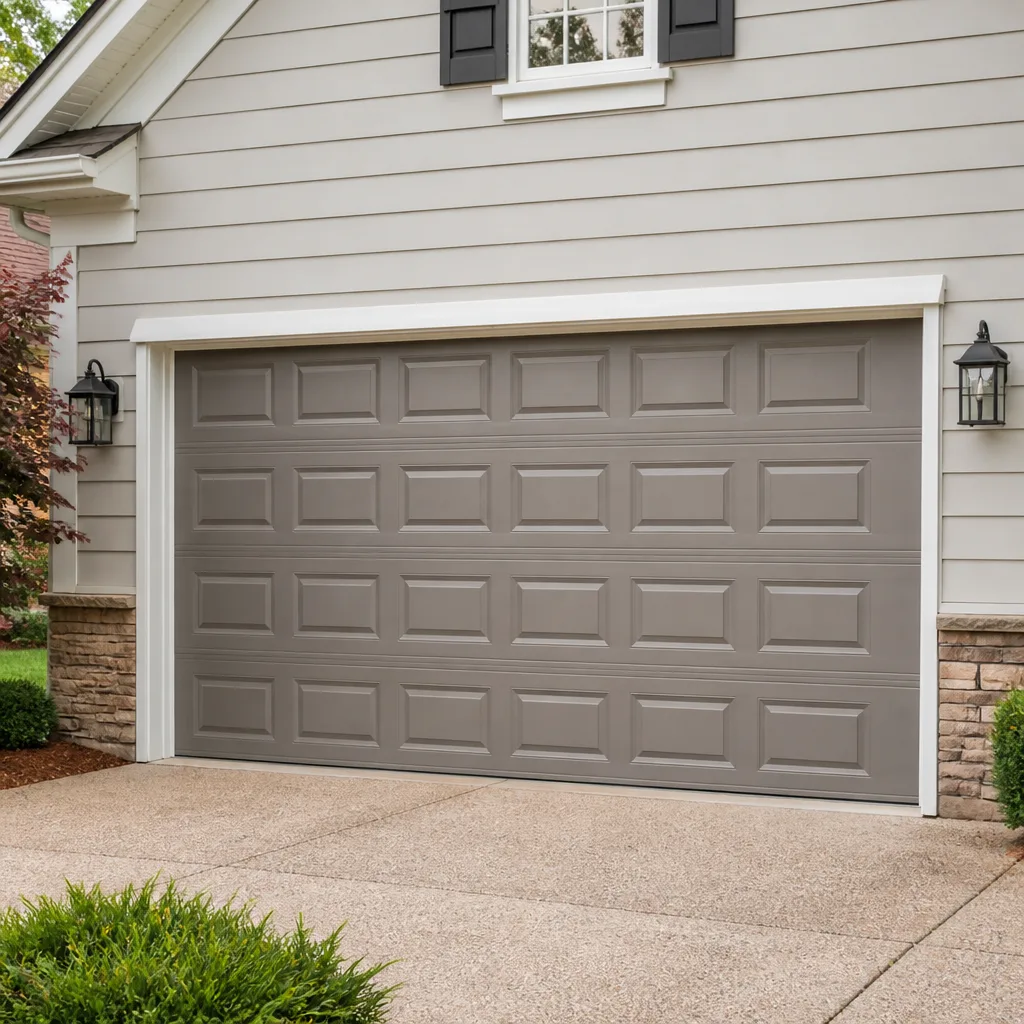 Raised-panel steel
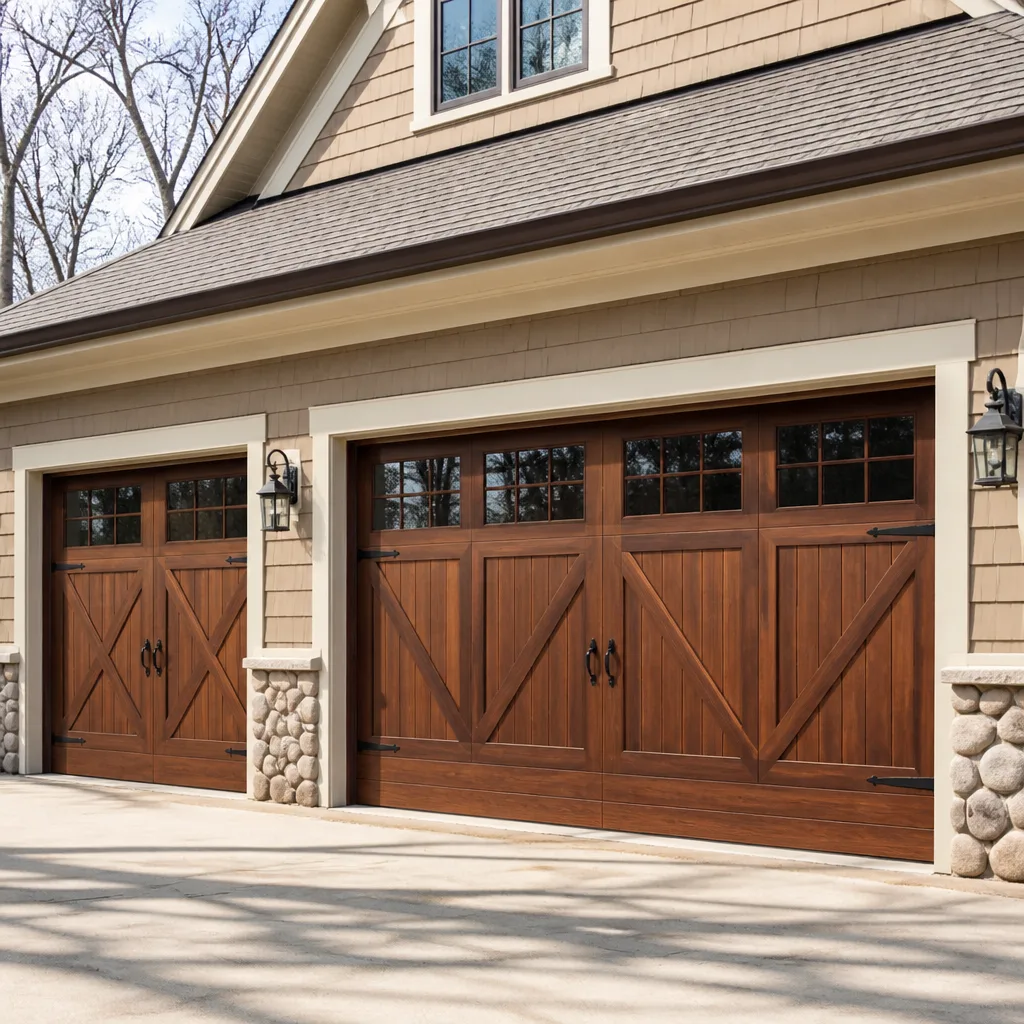 Carriage house
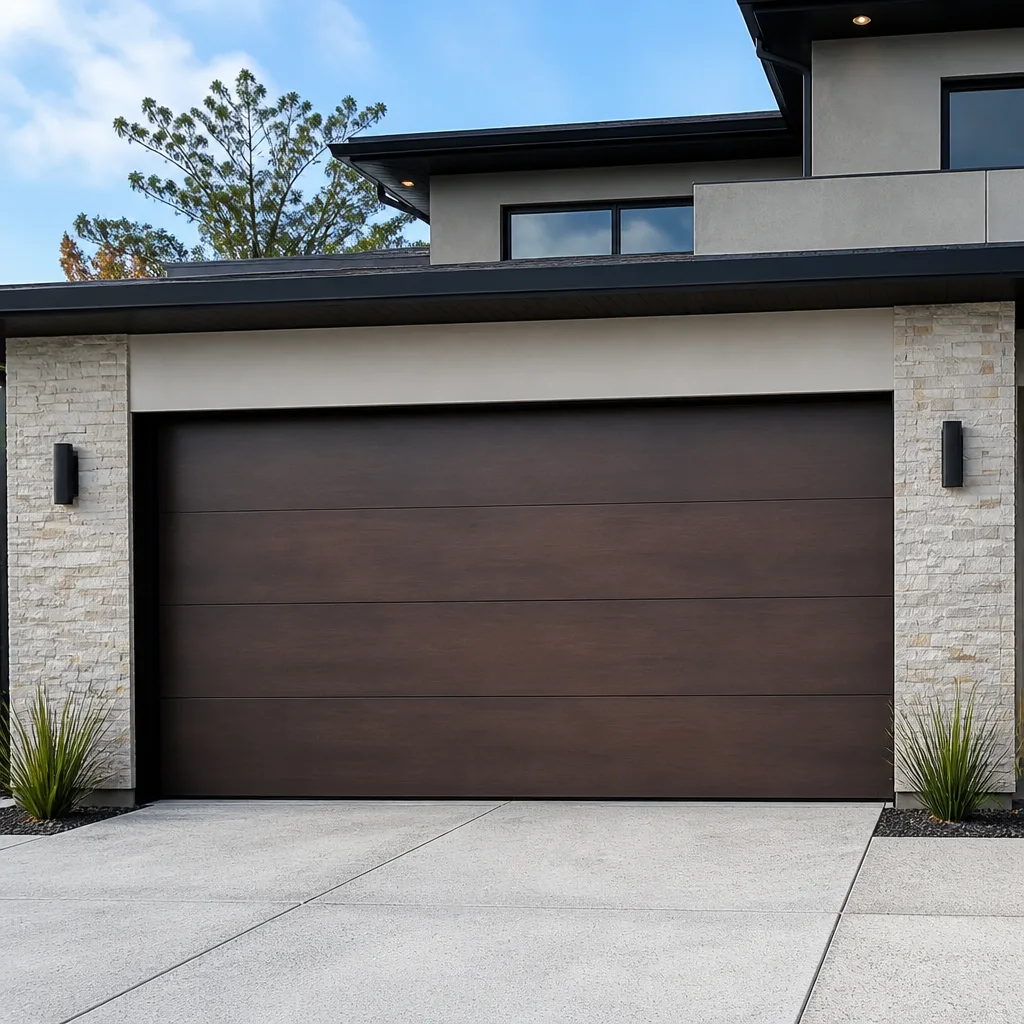 Modern flush
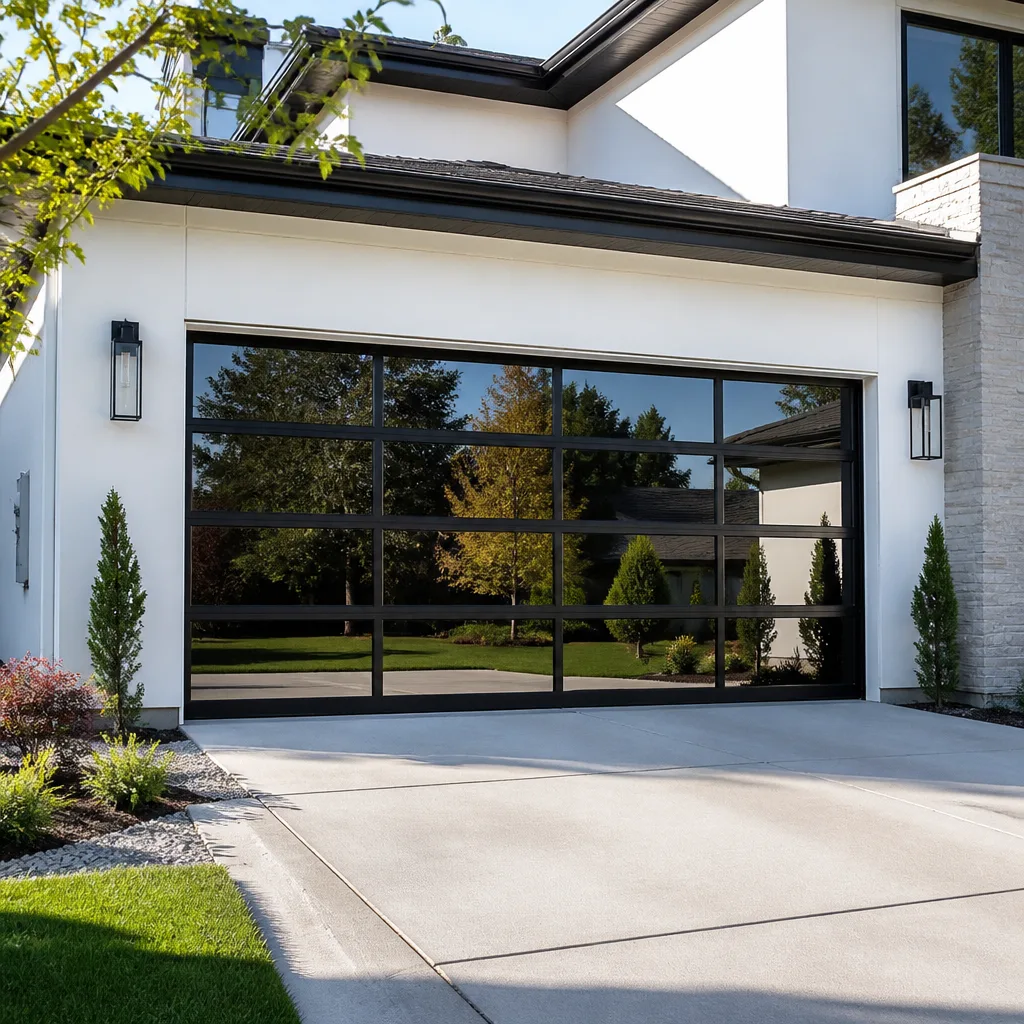 Full-view glass
 LiftMaster openers
 Chamberlain openers
Full 25-point door and opener safety check with every visit - springs, cables, rollers, tracks, and your LiftMaster or Chamberlain opener included
You get a price before we start. It does not change when the pro arrives.
Get your free estimateHow to Hire a Garage Door Contractor in Brick Township: A Step-by-Step Guide
A five-star review can’t tell you whether a technician knows the difference between standard-lift and high-lift track geometry. It can’t tell you whether they’ll recognize a worn bearing plate before it chews through a cable, or whether they’ll look at a misaligned panel and reach for a replacement order instead of a wrench. The wrong diagnosis costs more than the right contractor, every time. This guide teaches you how to interrogate technical competence before anyone pulls into your driveway in Brick Township. You’ll learn the four questions that reveal real hardware knowledge, what New Jersey licensing does and doesn’t cover, how to read a written estimate, and the red flags that show up in quotes long before the work begins.
Quick Answer
To hire a garage door contractor in Brick Township, verify three things before booking: that they work on your specific brand and opener platform (not just “all brands”), that they carry liability insurance and workers’ compensation for the technicians who’ll arrive, and that they’ll put a written diagnosis and itemized estimate in your hands before any work starts. Ask four diagnostic questions about your actual hardware. A contractor who can answer them specifically is a technician. One who can’t is a salesperson with a toolbox.
Styles & brands we work with
- Raised-panel steel
- Carriage house
- Modern flush
- Full-view glass
- LiftMaster openers
- Chamberlain openers
Table of Contents
- The Four Diagnostic Questions to Ask Before You Book
- What New Jersey Licensing Covers for Garage Door Work (And What It Doesn’t)
- Why Insurance Specifics Matter More Than a License Number
- How to Verify a Contractor Works on Your Specific Brand
- What a Legitimate Written Estimate Must Include
- Red Flags in Garage Door Quotes
- Brick Township Conditions That Affect Your Door
- Common Mistakes to Avoid
The Four Diagnostic Questions to Ask Before You Book
These questions are designed to separate technicians from order-takers. None of them require you to know anything about garage doors yourself. You’re listening for specificity. A contractor who works on hardware daily will answer in concrete terms about parts and mechanisms. A contractor who doesn’t will pivot to pricing, scheduling, or a replacement pitch.
Question 1: “My door is [describe the symptom]. What are the two most likely causes, and how would you tell them apart?” A technician who knows their hardware will name two distinct failure modes and describe the diagnostic step that separates them. If your door reverses before closing, for example, they should mention the safety sensor alignment and the close-limit setting as separate possibilities, then explain how they’d test each. A vague answer like “we’d have to come out and look” isn’t disqualifying on its own, but a technician who can’t name two causes off the top of their head hasn’t seen your problem often enough to fix it efficiently.
Question 2: “What’s the difference between a torsion spring and an extension spring, and which does my door use?” This is basic vocabulary for anyone who does garage door spring repair. Torsion springs mount on a shaft above the door; extension springs run along the horizontal tracks. If the person on the phone can’t describe the difference or asks you to check for them, that’s a signal. Spring work is the most mechanically demanding part of this trade, and a contractor who treats it as an afterthought is likely to subcontract it or improvise.
Question 3: “My opener is a [brand and rough age]. Do you stock or source parts for that platform?” The two dominant residential opener platforms are LiftMaster and Chamberlain, which share the myQ ecosystem. Genie is the other major brand. A contractor who works on these regularly will know which logic boards, gear kits, and safety sensors are still available for your model. Someone who says “we can get whatever we need” without naming your platform is guessing.
Question 4: “If my panel is dented but the structure is sound, can it be repaired or does it need replacing?” The answer you want is a question back: “Is the dent in a single section, and is the section still tracking straight?” That tells you the contractor thinks in terms of individual panels and structural alignment, not whole-door replacement. Clopay and Amarr panels can often be sourced individually. A contractor who jumps straight to “you need a new door” before seeing it has a sales target, not a diagnosis.
What New Jersey Licensing Covers for Garage Door Work (And What It Doesn’t)
New Jersey does not issue a garage-door-specific contractor license. Garage door installation and repair falls under the state’s Home Improvement Contractor (HIC) registration, which covers a broad range of residential work. That registration is a baseline, not a specialty credential. It tells you the contractor is registered to do business in the state. It does not tell you whether they’ve ever replaced a torsion spring, whether they understand high-lift versus standard-lift track, or whether they’ve worked on a Wayne Dalton door with a TorqueMaster spring system.
This is the licensing gap most homeowners miss. HIC registration exists to protect you in a consumer-protection sense (contract requirements, cancellation rights, a complaint process). It does not certify technical competence in any specific trade. So while you should absolutely confirm registration, you can’t stop there. A registered contractor with no garage door experience is still a registered contractor.
What to check on the registration side:
- Ask for the HIC registration number and confirm it’s current. The state maintains a public database.
- Confirm the registration is in the business name that appears on your estimate, not a different entity.
- Ask whether the person doing the work is an employee or a subcontractor. This affects insurance and warranty.
- Get the registration number in writing on the estimate itself, not just verbally.
What registration doesn’t cover: the mechanical judgment, brand familiarity, and spring-safety experience that determine whether the job goes right. That’s what the diagnostic questions in the previous section are for. In Brick Township, where a large share of homes have original or first-replacement doors and openers, the difference between a technician who knows your hardware and one who doesn’t shows up in callbacks and premature failures.
Why Insurance Specifics Matter More Than a License Number
Liability insurance and workers’ compensation protect you, not the contractor. Garage door work involves high-tension springs, heavy panels, and overhead loads. If a technician is injured on your property and the contractor doesn’t carry workers’ compensation, you can be exposed. If a door comes off the track and damages your vehicle or your home, liability coverage is what pays. The registration number doesn’t guarantee either one is active.
Here’s what to ask, in plain terms:
- “Can you send me a certificate of insurance showing your general liability coverage?” A legitimate contractor will provide this without hesitation. The certificate should name the insured business and show current coverage dates.
- “Does that policy cover garage door installation and repair specifically?” Some general policies exclude overhead door work or classify it differently. Ask directly.
- “Do you carry workers’ compensation for the technicians who’ll be on my property?” If the answer is “they’re all subcontractors,” ask to see the subcontractors’ coverage separately. Your exposure doesn’t change based on how the business is structured.
- “Will the person doing the work be covered by that policy?” Confirm the coverage extends to whoever actually shows up, not just the business owner.
In our experience, the contractors who hesitate on insurance questions are the same ones who quote vaguely and diagnose loosely. The two go together. A contractor who runs a tight operation knows exactly what their coverage is and can produce it in minutes. For more on what a professional service looks like, see our guide to garage door repair in Brick Township.
How to Verify a Contractor Works on Your Specific Brand
“We work on all brands” is the most common non-answer in this trade. It’s technically true for a contractor who’s willing to try anything, and it tells you nothing. What you want to know is whether they’ve worked on your brand enough to know its failure patterns, part numbers, and quirks. The verification method is simple: ask about parts sourcing for your specific model.
If your door is a Clopay, ask whether they can source individual panel sections or whether they’d have to order a full door. Clopay panels are available individually for most current models. A contractor who knows this will say so. If your door is an Amarr, ask whether they’ve dealt with the company’s panel profile variations across product lines. Amarr makes several distinct profiles, and a technician who’s installed or repaired them will recognize the difference.
On the opener side, if you have a Chamberlain or a Genie, ask which parts are still manufactured for your model’s age range. Chamberlain’s myQ platform has gone through several logic board revisions. Genie’s older chain-drive units have specific gear and sprocket wear patterns. A contractor who works on these regularly will know which parts are readily available and which require a specialty order.
We work on equipment from LiftMaster, Chamberlain, Genie, Clopay, Amarr, Wayne Dalton, Craftsman, and Raynor, and we mention those brands because knowing the actual components changes the diagnosis. It’s the difference between “we can fix that” and “here’s what’s likely worn, here’s the part, and here’s how we’ll confirm it before we order.” If you’re dealing with an opener issue specifically, our garage door opener repair page covers the common failure points by brand.
What a Legitimate Written Estimate Must Include
New Jersey’s consumer protection norms for home improvement work require a written contract for jobs above a certain dollar threshold, and that contract must contain specific elements: the contractor’s registration number, a description of the work, the total price, the payment schedule, and notice of your right to cancel. A verbal quote is not a contract, and it gives you nothing to hold anyone to. Even for smaller jobs, insist on a written estimate before work starts.
Here’s what a legitimate written estimate for garage door work should contain:
- The diagnosis in plain language. Not “door not working” but “torsion spring on left side has failed; cable is intact; door is currently unsupported and should not be operated.”
- Itemized parts and labor. Spring cost, labor cost, any additional parts (cable, bearing plate, roller) listed separately. A single lump-sum line is a red flag.
- Brand and model of parts to be installed. If they’re replacing a spring, what’s the cycle rating? If they’re replacing an opener, which model?
- The scope boundary. What’s included and what isn’t. If they’re not touching the tracks, say so. If the estimate assumes the door panels are sound and they later find rot, the estimate should say how that’s handled.
- The final price and the statement that it’s the price. The written estimate sets the final price. If the scope changes once work begins, that change should require your approval before it happens, in writing.
- Registration number and insurance confirmation. Both belong on the document.
- Warranty terms. What’s covered, for how long, and what voids it.
What’s missing from most verbal quotes: all of it. A verbal quote is a number and a handshake. It’s not a diagnosis, and it’s not enforceable. In Brick Township, where summer humidity and winter freeze-thaw cycles put real stress on door hardware, the scope boundary matters. A spring that fails in July may be accompanied by cable wear that wasn’t visible in January. A written estimate that anticipates this is a sign of experience. A verbal quote that ignores it is a sign of haste.
Red Flags in Garage Door Quotes
The warning signs in garage door quotes are specific and learnable. None of them require technical knowledge to spot. They’re patterns.
Vague line items. “Repair door: $450” tells you nothing. What’s being repaired? What part? How long will it take? A contractor who can’t itemize hasn’t diagnosed. They’ve estimated based on a phone description and a hope.
“Full replacement recommended” without a written diagnosis. Replacement is sometimes the right call. A door with bent tracks, cracked panels across multiple sections, and a worn opener may genuinely be at end of life. But the recommendation should follow a diagnosis, not replace one. If the first thing you hear is “you need a new door” before anyone has looked at the springs, cables, rollers, and opener, ask what specifically failed and why it can’t be repaired. A specialist who works on LiftMaster, Chamberlain, and Genie openers and knows Clopay and Amarr panel availability has options short of replacement. A salesperson doesn’t.
Same-day pressure tactics. “This price is only good today” or “we can fit you in this afternoon but you have to decide now” are sales tactics, not service. Urgency is legitimate when a door is off its tracks or a spring has failed and the door is unsafe to operate. In that case, the urgency comes from safety, and any reputable contractor will tell you not to use the door while you decide. Pricing pressure is different. It’s designed to prevent you from getting a second opinion.
No written estimate before work starts. This is the biggest red flag. Any contractor who starts work without a signed estimate is either inexperienced or planning to bill you for whatever they decide the job was worth. The estimate is free. The price is agreed before the first bolt turns.
Inability to name your brand’s parts. If you tell them you have a Wayne Dalton door and they can’t tell you whether it uses a TorqueMaster or extension spring system, they haven’t worked on many Wayne Dalton doors. That’s not necessarily disqualifying if they’re honest about it, but it should affect your decision.
Brick Township Conditions That Affect Your Door
Brick Township’s climate puts specific demands on garage door hardware. Summers bring humidity that works on steel panels, hinges, and rollers. Winters bring freeze-thaw cycles that move the ground under your driveway and your slab, which can shift track alignment over time. A door that tracked perfectly in October may rub or bind by February. This isn’t a defect in the door. It’s a maintenance reality, and a contractor who understands it will check track alignment and roller wear as part of any repair visit, not just the part that failed.
The housing stock matters too. Brick Township has a wide range of home ages, from mid-century ranches to newer construction, and the garage doors reflect that. Older doors may use extension springs that are past their service life. Newer doors may have high-lift track configurations that need specific hardware. A contractor who works across all of these, and who can identify the system on sight, will diagnose faster and quote more accurately.
One more local factor: the shore-adjacent humidity means steel components are more prone to surface rust than in drier parts of the state. That rust doesn’t usually cause failure on its own, but it accelerates wear on hinges and rollers. A contractor who inspects for it and mentions it is paying attention. See our Garage Door Repair Brick page for the full range of services we handle across the area.
Common Mistakes to Avoid
- Hiring on price alone. The lowest quote is often the one with the vaguest diagnosis and the least insurance. A hundred dollars saved on the estimate can become a callback, a damaged panel, or an uncovered injury. Price matters, but it’s the last filter, not the first.
- Skipping the insurance question because the contractor seems nice. Niceness and coverage aren’t correlated. Ask for the certificate. A professional expects the question and answers it without friction.
- Accepting a verbal quote for a spring replacement. Spring work is the highest-risk repair in this trade. It should have a written diagnosis, a specified part, and a clear price before anything is touched. A verbal number is not a quote; it’s a guess.
- Letting a contractor talk you into a new door without a written diagnosis. Replacement is sometimes correct, but it should follow a specific diagnosis of what failed and why repair isn’t viable. If you can’t get that in writing, get a second opinion.
- Assuming “all brands” means your brand. Ask about parts sourcing for your specific model. A contractor who works on your brand regularly will answer in specifics. One who doesn’t will stay general.
- Operating a door with a broken spring while you wait for a quote. A door with a failed torsion spring is unsupported. The opener may try to lift it, but the door can come down hard. Don’t run it. Call for service and leave it closed.
- Ignoring track alignment after a harsh winter. Freeze-thaw movement is real in Brick Township. If your door sounds different or rubs in one spot, get it checked before the wear compounds.
See the difference
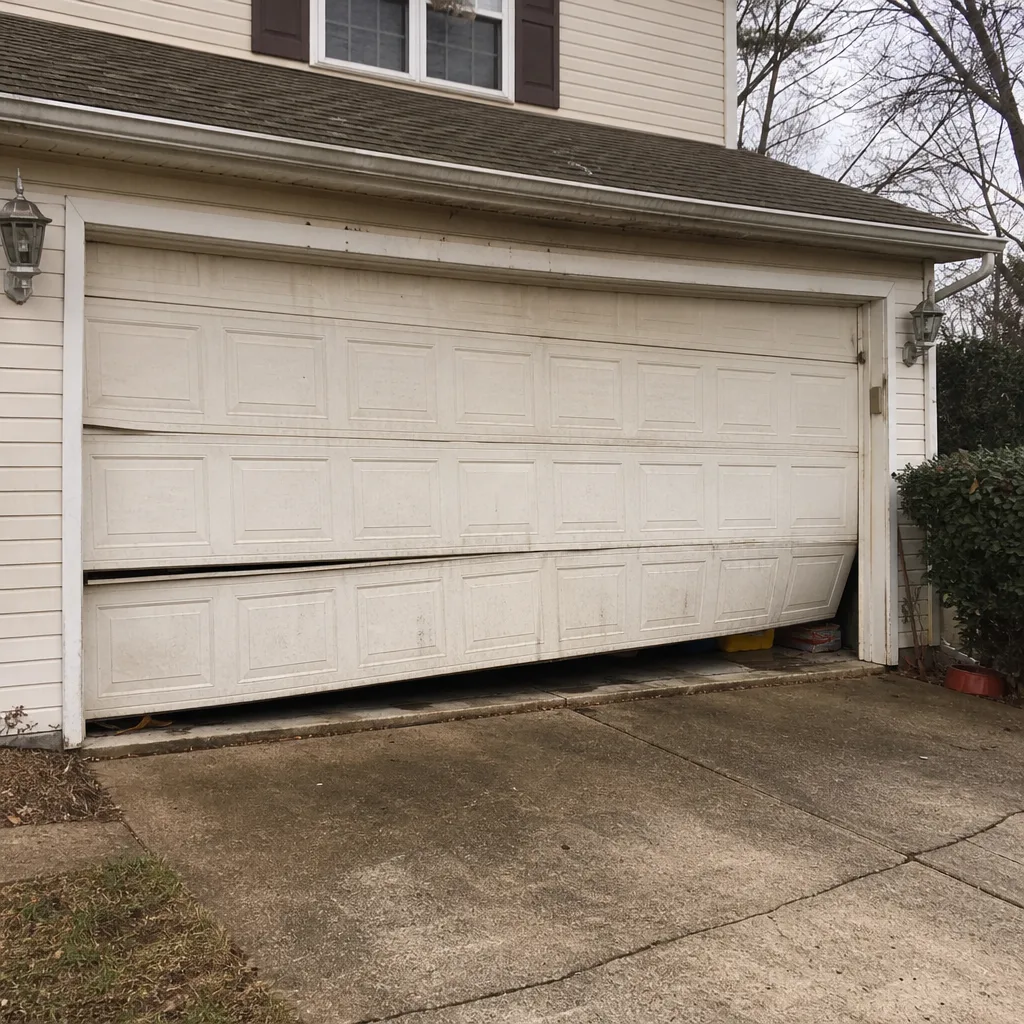 Before
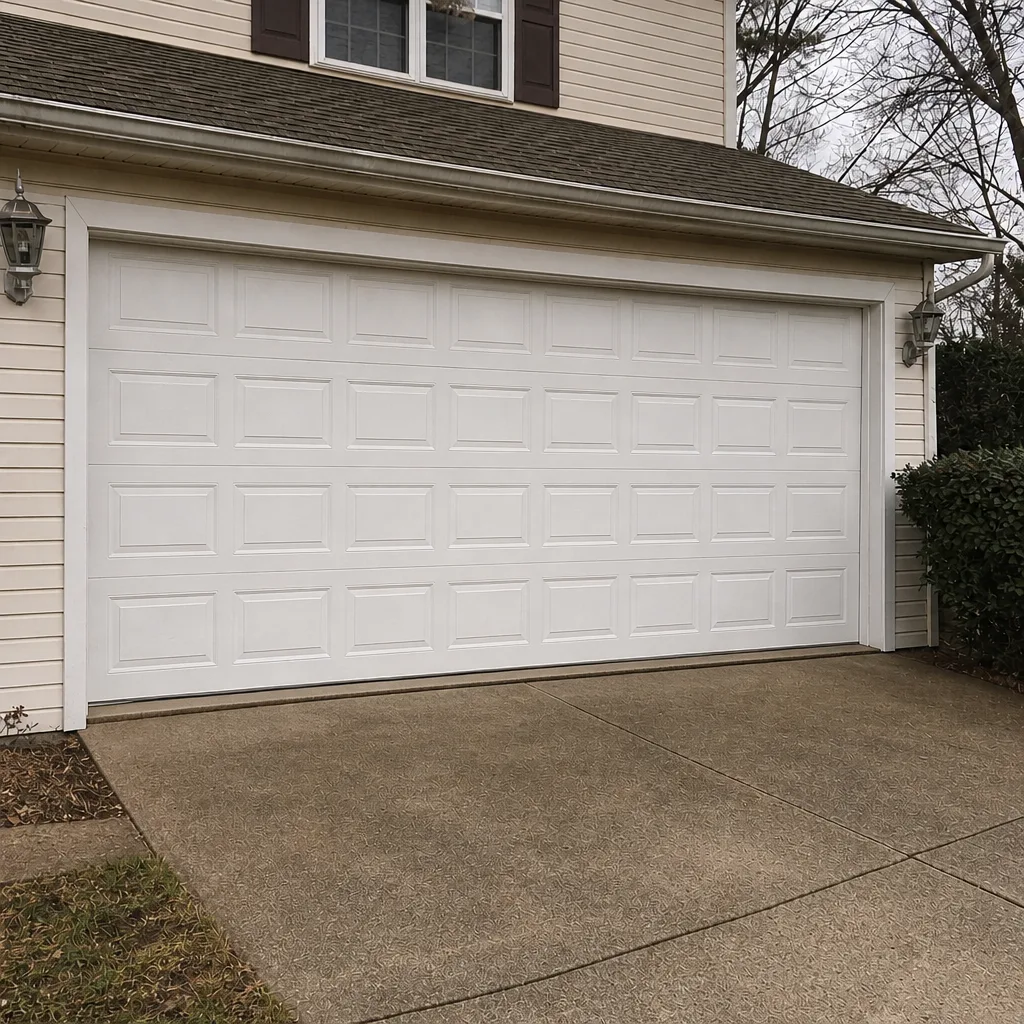 After
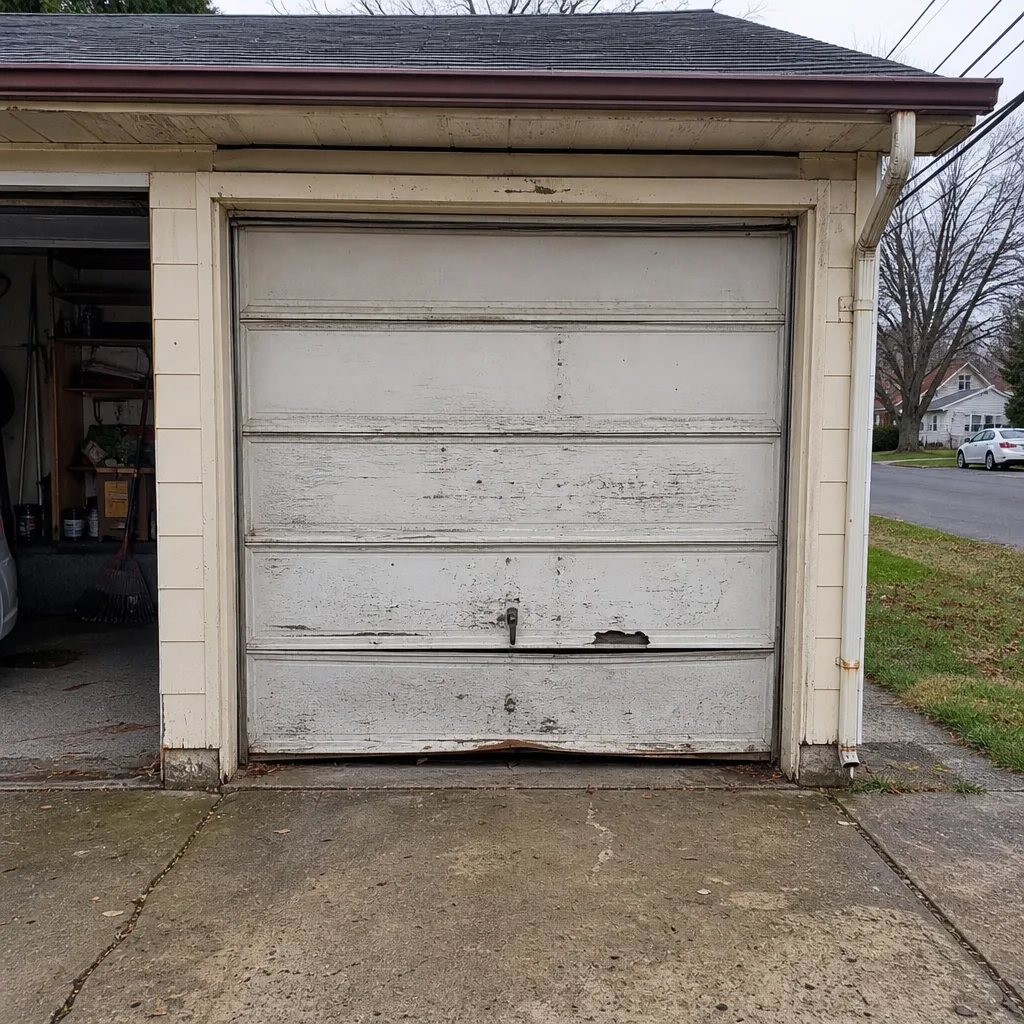 Before
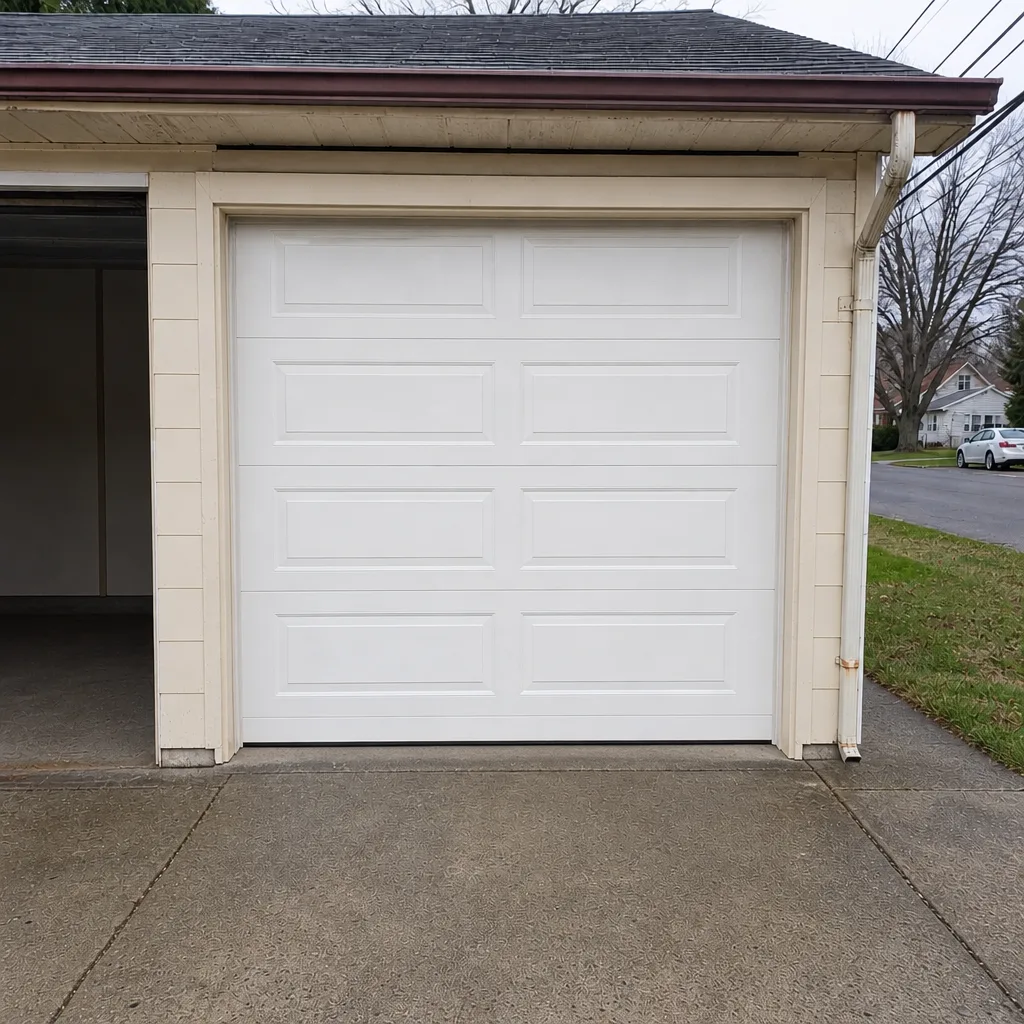 After
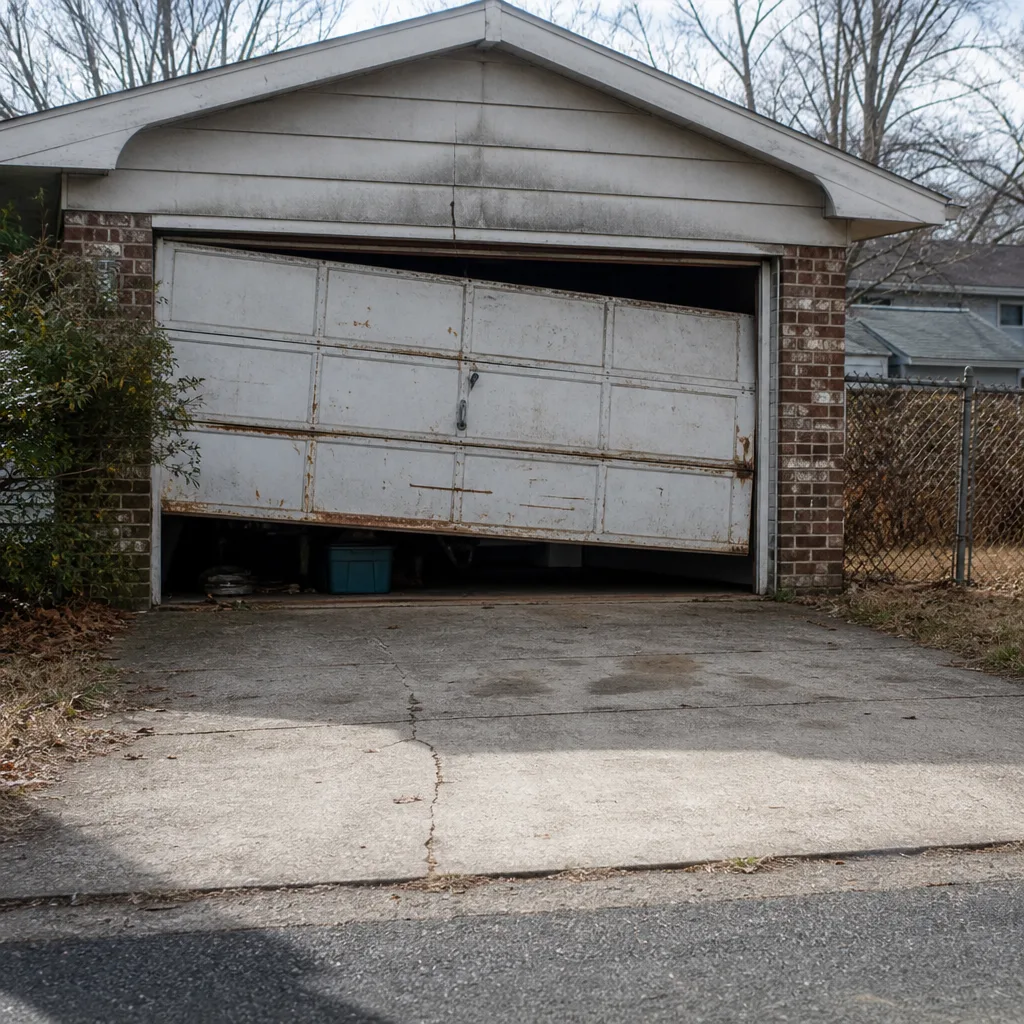 Before
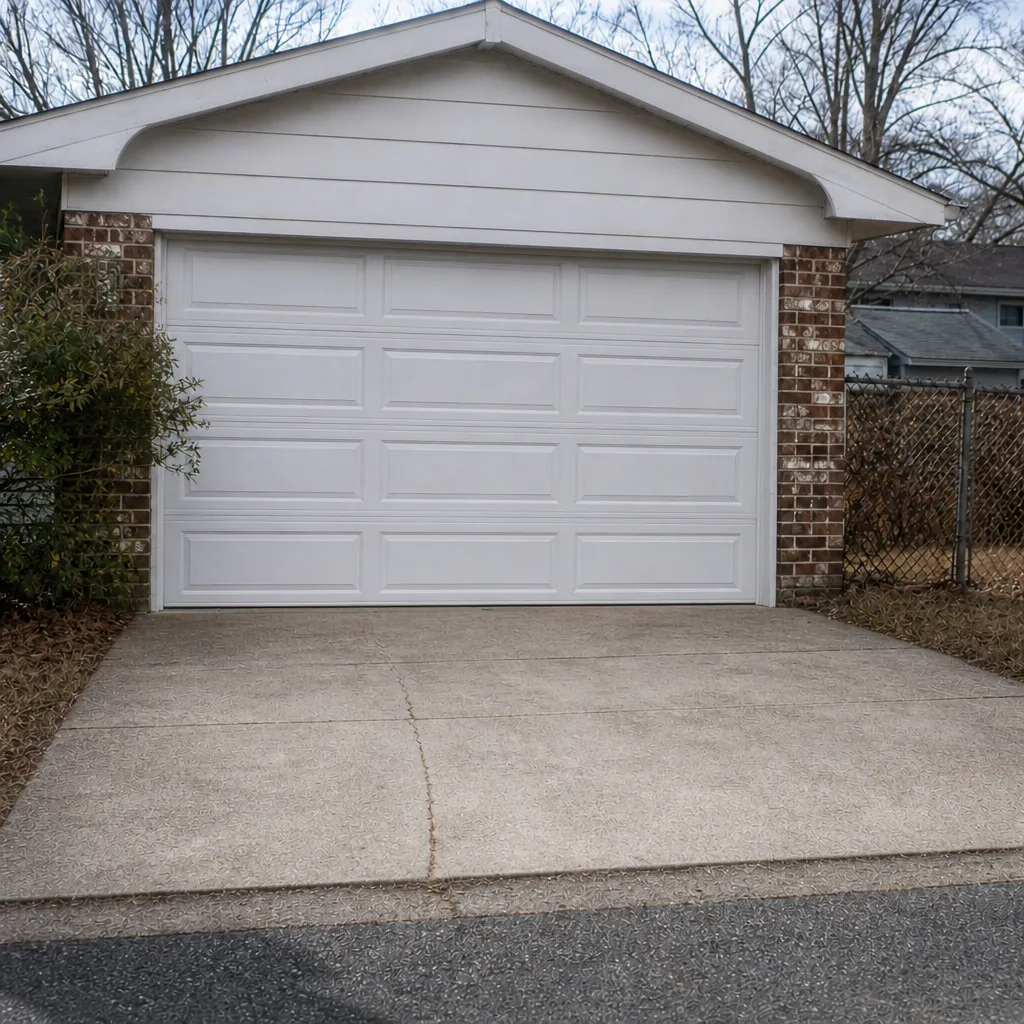 After
When to Call a Professional
Call a professional when a spring breaks (the door becomes unsupported and unsafe to operate), when the door comes off its tracks, when the opener runs but the door doesn’t move, or when the door reverses before closing and sensor alignment doesn’t fix it. Call when you hear a loud bang from the garage and the door won’t lift. Call when a panel is dented and you want to know whether it can be repaired rather than replaced. And call when you’re planning a new installation and want a written measure and price before you commit.
Springs, cables, and overhead loads are genuinely dangerous. High-tension springs store enough energy to cause serious injury, and the correct tools and technique matter. We don’t recommend DIY spring work, and any contractor who suggests you handle it yourself isn’t looking out for you.
Garage Door Repair Brick offers free estimates in Brick Township. Call (888) 569-3530. We answer 24/7. Fast dispatch from 7am to 7pm, Sunday through Friday.
Frequently Asked Questions
Most garage door repairs in Brick Township fall in the range of a service call plus parts and labor, and the written estimate sets the final price before any work starts. Spring replacement, opener repair, and panel repair each price differently because the parts and labor differ. We quote per job, in writing, after diagnosing the actual failure. Call (888) 569-3530 for an exact quote; estimates are free.
Same-day service is often possible for repair calls, and emergency service is part of our core offering. We answer 24/7, with fast dispatch from 7am to 7pm, Sunday through Friday. A call outside dispatch hours is booked into the next opening, Sunday through Friday, 7am to 7pm. Call (888) 569-3530 and we’ll tell you what’s available.
No. The price is quoted and agreed before any work starts. If we diagnose something different from what we expected on the phone, we’ll explain the revised diagnosis and give you a new written estimate before proceeding. You approve the price before we touch the door. Call (888) 569-3530 for a free estimate.
The local pros we connect you with are licensed and insured as their state requires, and we recommend confirming the HIC registration and insurance certificate before any work begins. Ask for both in writing. A professional provides them without hesitation. Call (888) 569-3530 with any questions about credentials.
We work on equipment from LiftMaster, Chamberlain, Genie, Clopay, Amarr, Wayne Dalton, Craftsman, and Raynor. That includes the LiftMaster and Chamberlain/myQ opener platforms and the panel systems from Clopay and Amarr. Tell us your brand and model when you call, and we’ll confirm parts availability. Call (888) 569-3530.
A written estimate should include the diagnosis in plain language, itemized parts and labor, the brand and model of parts to be installed, the scope boundary (what’s included and what isn’t), the final price, the contractor’s registration number, and warranty terms. If any of those are missing, ask for them before you sign. Call (888) 569-3530 for a free written estimate in Brick Township.
The Bottom Line
Hiring a garage door contractor in Brick Township comes down to verifying technical competence before anyone shows up. Ask the four diagnostic questions and listen for specificity. Confirm HIC registration and insurance, and get the certificate in writing. Verify brand familiarity by asking about parts sourcing for your specific model. Insist on a written estimate with itemized line items and a clear scope boundary. Walk away from vague quotes, replacement pitches without a diagnosis, and same-day pressure. The right contractor diagnoses before quoting, quotes before working, and knows your hardware by name. Call (888) 569-3530 for a free estimate. We answer 24/7. Fast dispatch from 7am to 7pm, Sunday through Friday.
Written by the team at Garage Door Repair Brick.