
Last updated November 21, 2026
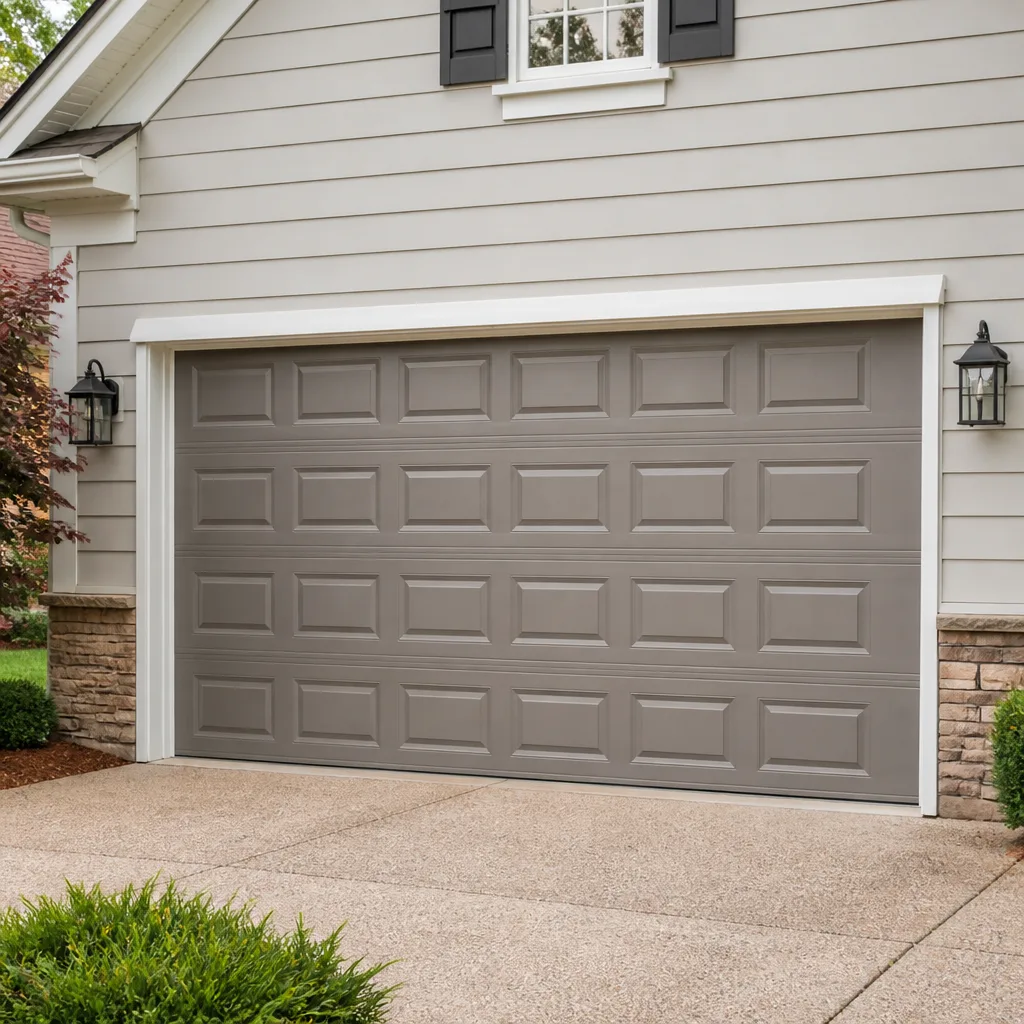 Raised-panel steel
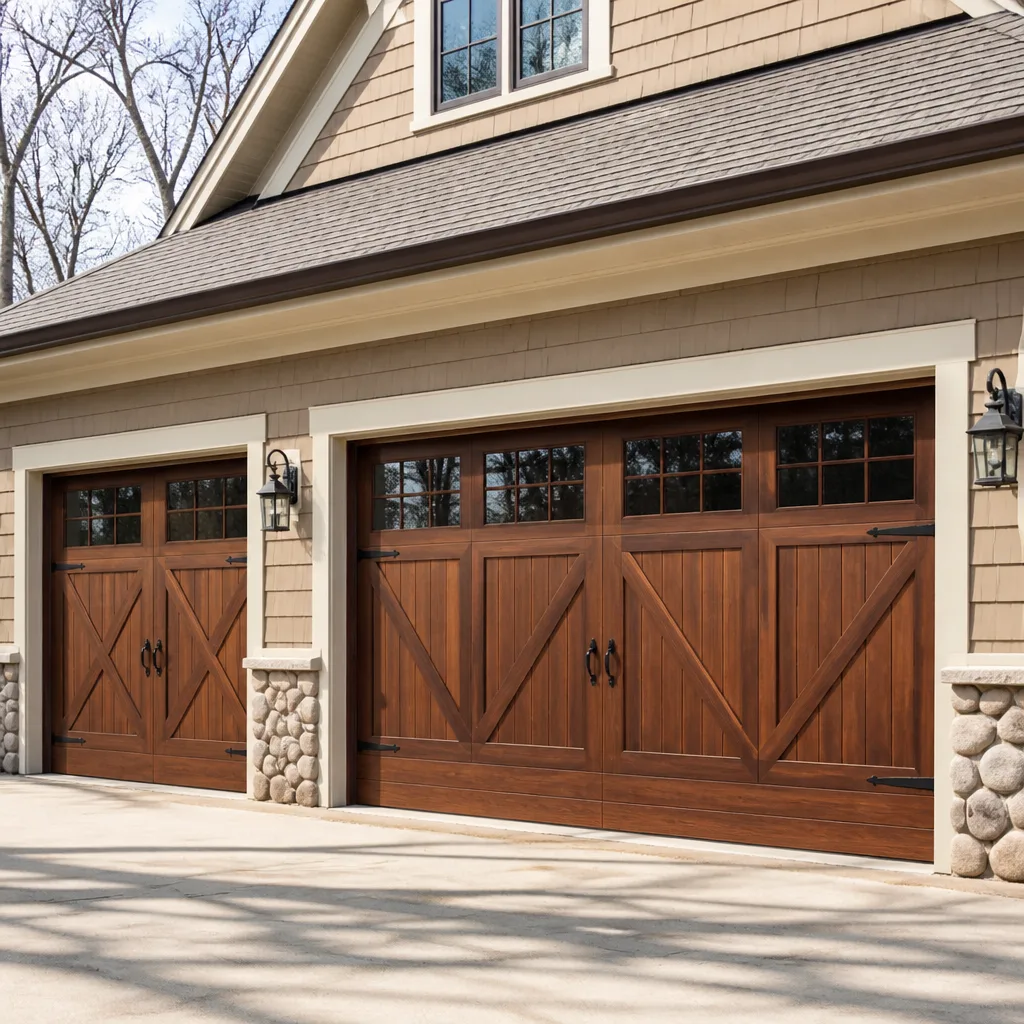 Carriage house
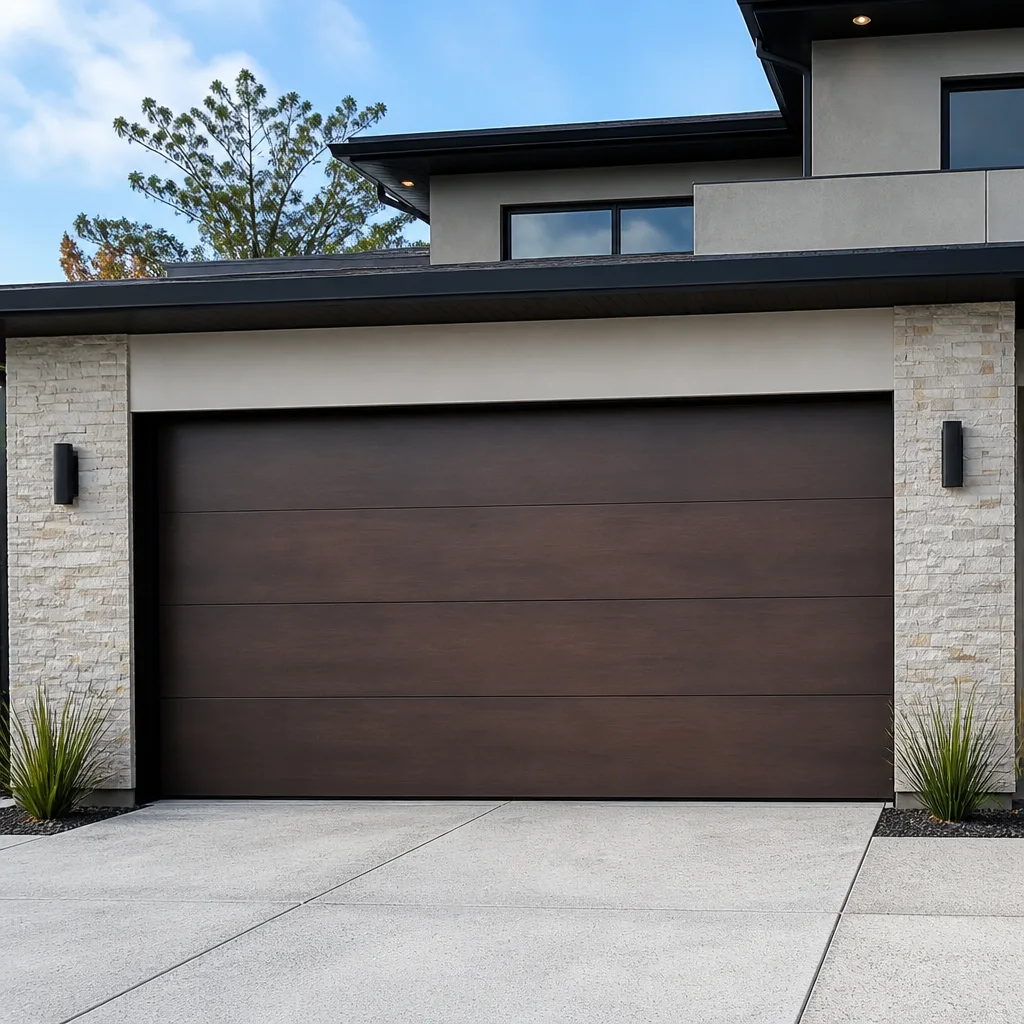 Modern flush
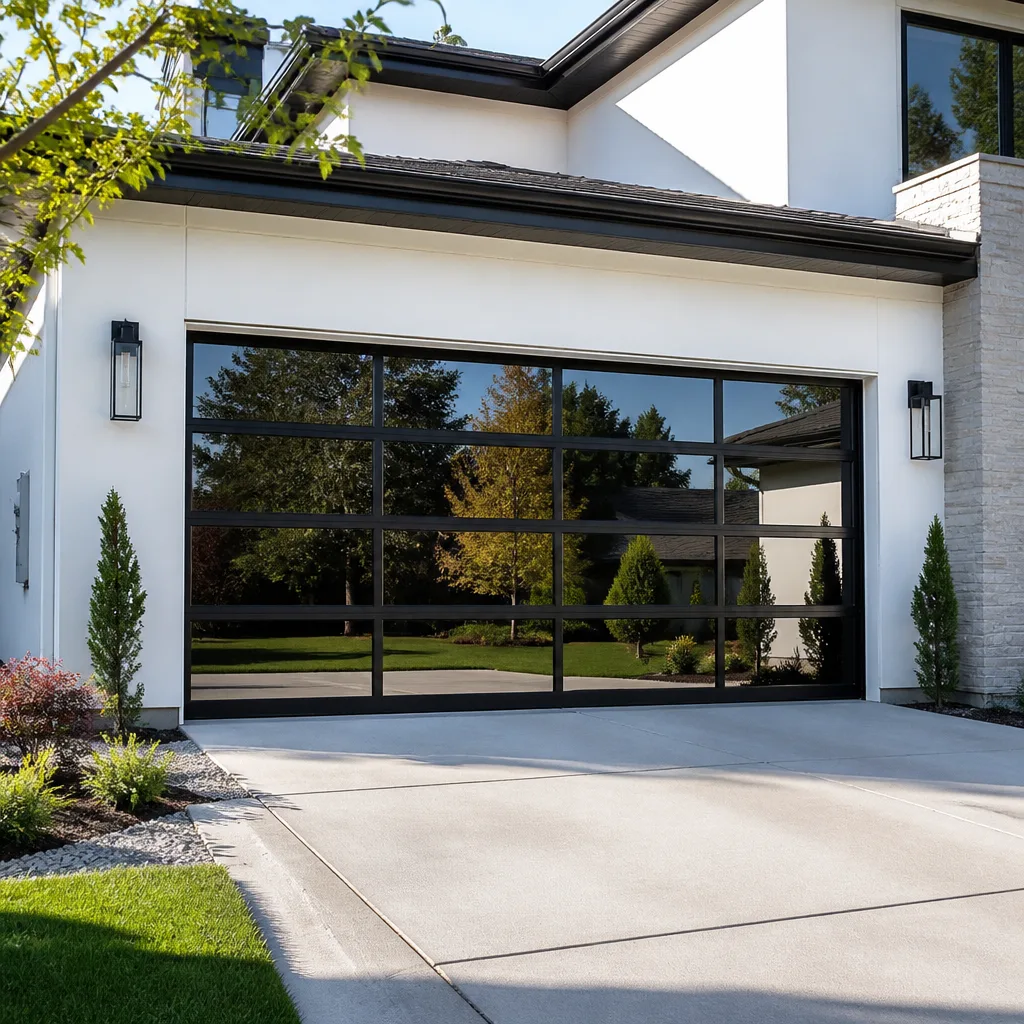 Full-view glass
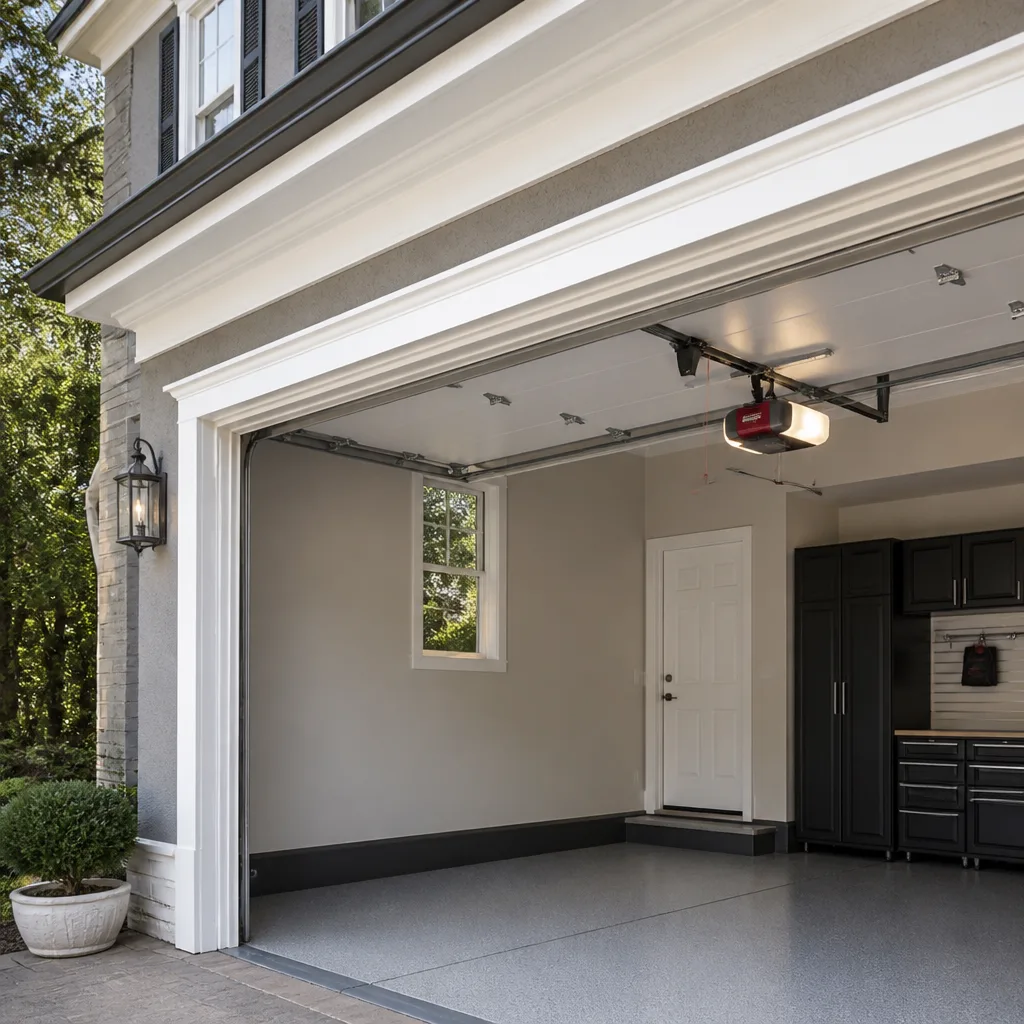 LiftMaster openers
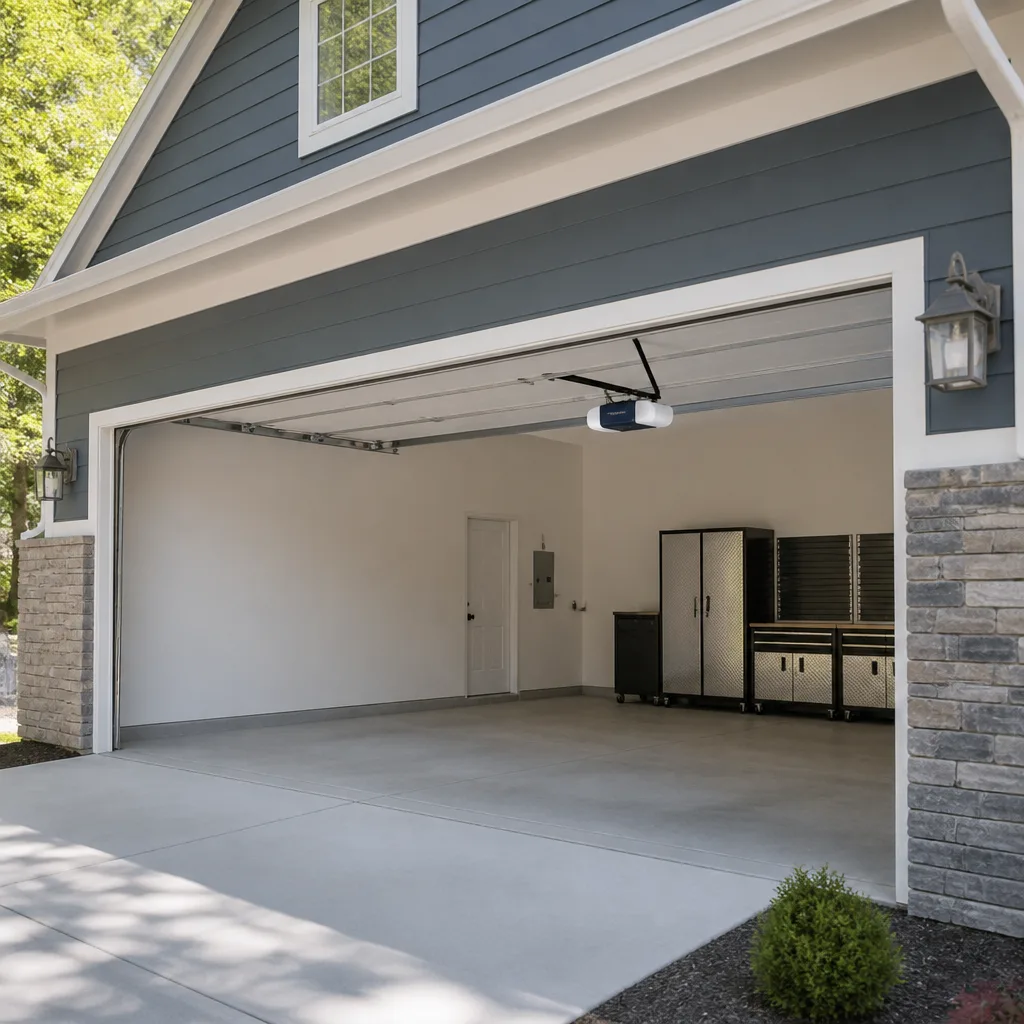 Chamberlain openers
Full 25-point door and opener safety check with every visit - springs, cables, rollers, tracks, and your LiftMaster or Chamberlain opener included
You get a price before we start. It does not change when the pro arrives.
Get your free estimateGarage Door Permits, Codes & Inspections in Brick Township, NJ: What You Need to Know
Most homeowners assume a garage door is a cosmetic purchase. You pick a style, choose a color, and a crew swaps it out in an afternoon. That assumption is where people get into trouble. A full garage door replacement is a structural alteration under New Jersey’s Uniform Construction Code, and in Brick Township it runs through the local construction office and a required inspection. Skipping that step doesn’t usually cause a problem the week the door goes up. It causes a problem years later, at closing, when a buyer’s attorney pulls the permit history and finds a gap. This guide explains exactly when Brick Township requires a permit, when it doesn’t, what the inspection looks like, and how to fix a door that was installed without one.
Quick Answer
In Brick Township, replacing a whole garage door requires a construction permit through the township’s building department, followed by a required inspection before the job is closed out. Repairing an existing door, replacing just the opener, or swapping a single panel or hinge does not normally require a permit. If you’re selling a Brick Township home and a prior door replacement has no permit on record, the fix is to have the work inspected and the permit pulled retroactively, which is possible but best handled before a buyer’s inspection period begins.
Styles & brands we work with
- Raised-panel steel
- Carriage house
- Modern flush
- Full-view glass
- LiftMaster openers
- Chamberlain openers
Table of Contents
- When Does a Brick Township Garage Door Project Need a Permit?
- How the Permit Application and Inspection Process Actually Works
- NJ Wind-Load Requirements and Why They Matter at the Shore
- What the Inspection Covers for a Residential Garage Door
- Selling a Brick Township Home With an Unpermitted Door
- Why the Permit Should Be Pulled by the Contractor, Not You
- Repair, Replacement, or Opener Swap: Sorting Out Your Actual Job
- Common Mistakes to Avoid
When Does a Brick Township Garage Door Project Need a Permit?
A permit is required when the garage door is being replaced as a complete assembly: the door, tracks, and the mounting hardware that attaches the system to the framing. That’s the line. Everything short of a full replacement usually falls on the repair side of it and doesn’t require a construction permit.
The distinction isn’t arbitrary. New Jersey’s Uniform Construction Code treats a full door replacement as an alteration to the building envelope and its structural load path, because the door and its attachments transfer wind load and weight into the wall and header. A repair keeps the existing assembly in place. A replacement puts a different assembly there. That’s why one needs township review and the other doesn’t.
Here’s how the work typically sorts out:
- Full door replacement (door, tracks, and brackets): Requires a permit in Brick Township.
- New door on a new opening during an addition or rebuild: Requires a permit as part of the larger project.
- Opener replacement, including a new smart opener: No permit. Electrical code applies to any new wiring, but a straight swap on existing wiring is repair work.
- Spring replacement, cable replacement, roller replacement, hinge replacement: No permit. Repair work.
- Single panel replacement: No permit, though we’d flag that a cracked bottom panel on a Clopay or Amarr door is sometimes the first sign the tracks are out of alignment.
- Converting a manual door to an automatic one: No permit in most cases, but if the conversion requires new electrical work, the electrical side may need one.
The part that surprises people is that a door swap on the same opening isn’t automatically exempt just because the opening already exists. If a previous door was there and you’re taking it down and putting a different one up, that’s a replacement. It’s the assembly that matters, not the hole in the wall.
One honest caveat: Brick Township’s construction office makes the final call on any specific project, and rules get interpreted at the counter. Before you order a door, call the building department with your address and describe exactly what’s being removed and installed. It takes five minutes and settles the question. If you’re already working with a door specialist, part of what you’re paying for is that call being made for you and the permit being filed correctly.
This line between repair and replacement is also why we ask so many questions before quoting anything in Brick Township. A homeowner who calls for a door replacement and really needs garage door repair saves money and skips the permit entirely. Getting the category right first is the whole game.
How the Permit Application and Inspection Process Actually Works
The permit is filed with Brick Township’s building department, which operates under New Jersey’s Uniform Construction Code, and the inspection is conducted by a township inspector, not by the contractor. Homeowners can file their own permits in New Jersey on owner-occupied single-family homes, but for a garage door replacement the filing is usually handled by the contractor as part of the job.
The sequence for a typical Brick Township replacement:
- Scope defined. The door model, size, and wind-load rating are specified. This has to be decided before filing, because the permit application describes what’s actually going up.
- Application submitted to the township. The form covers the address, the scope of work, the estimated valuation of the job, and the contractor’s credentials. A permit fee is assessed based on the valuation and paid.
- Permit issued. Work can’t start until the permit is actually in hand. This is a real sequence issue: if a crew shows up and the permit hasn’t been issued, the job stalls.
- Installation. The door, tracks, hardware, and springs are installed to the manufacturer’s specifications with the wind-load rating on record.
- Inspection requested. The contractor or homeowner calls the township to schedule. The inspector sees the finished work, confirms the installation matches the permit, and signs off.
- Permit closed. The record is marked complete at the township. This is what a future buyer’s title search will show.
Two things routinely slow this down. First, ordering a door before the permit is issued, which can leave a homeowner with a door sitting in the garage waiting on paperwork. Second, wind-load documentation that doesn’t match the application, which turns into a failed inspection and a second visit. Both are avoidable with the right sequence.
A quick note on timing: this is measured, ordered work, not an emergency repair. A replacement door has to be specified, ordered, delivered, and installed, and the permit and inspection sit in the middle of that chain. If you’re planning a replacement, start the conversation weeks ahead of when you want the door operational, not the day the old one finally gives out.
When the job is a repair rather than a replacement, none of this applies and the work can usually be done quickly. If the issue is on the operator side rather than the door itself, that’s garage door opener repair and it doesn’t touch the permit process either.
NJ Wind-Load Requirements and Why They Matter at the Shore
New Jersey’s residential code requires garage doors on new construction and replacement to meet a wind-load rating based on the geographic wind zone of the site. Brick Township sits in one of the higher exposure categories in the state because of its position along the Jersey Shore and the barrier geography that runs through town. That means a replacement door here isn’t just a door; it has to be rated for the design wind pressure of that location.
What that translates to in practice:
- The door carries a manufacturer’s specified wind-load rating, and the installation has to match it: correct brackets, correct reinforcement, correct track gauge.
- Reinforcement struts and heavier hardware aren’t optional add-ons in a high-wind zone. They’re part of the rated assembly.
- The permit application reflects the rating. If the door on the truck doesn’t match what was permitted, the inspection fails.
- Glazed doors and windows in a garage door have their own performance requirements. A decorative window panel on a Clopay or Wayne Dalton door has to be part of the rated system, not added later.
This is where we see the most expensive mistakes happen. A homeowner buys a beautiful door at a big-box store, a well-meaning installer puts it up, and the door itself has a rating that’s below what the site requires. The inspection catches it. Now the door has to come back out. In our experience, the door selection and the site requirement have to be matched before the order form is signed, because that’s the only point where the mismatch is cheap to correct.
The bigger frame here is that Brick Township’s building stock varies a lot. A 1970s ranch in one part of town may have a different header and framing condition than a newer home with an engineered opening. The age and construction of the house affect how the door gets attached and reinforced, which affects whether the installation will hold up under the rated load. An inspector is going to look at how the door is anchored, not just whether the door has a sticker on it.
What the Inspection Covers for a Residential Garage Door
The inspection confirms that what was installed matches what was permitted and that the installation meets code. It is not a general home inspection and it is not a warranty. Here’s what typically gets checked:
- Door identity and rating. The installed door matches the permit application, including model and wind-load rating.
- Anchoring and attachment. Brackets, tracks, and the header attachment are secured to sound framing with appropriate fasteners.
- Reinforcement. Any struts or reinforcement specified for the wind rating are present and correctly positioned.
- Clearances and operation. The door travels without binding, the tracks are aligned, and the door seals as intended.
- Safety devices. If the door has an opener, the auto-reverse and photo-eye safety features are functional.
- Balance. The spring system holds the door in position and the door operates smoothly by hand.
A few of these are worth dwelling on because they connect to the parts of a garage door that most often fail. The balance check is testing the springs. A door that jerks, drops hard, or won’t stay open has a spring problem, and an inspector will catch it. The auto-reverse test is checking the opener’s force settings and the photo eye. A Genie or LiftMaster opener with a misaligned photo eye will fail that test every time.
If the inspection fails, the township issues a correction notice and the contractor comes back to fix whatever was flagged, then the inspection is re-requested. There’s usually a reinspection fee. That cost and delay is entirely on the contractor’s side of the ledger if they did the work, which is one of the reasons it matters who pulls the permit.
Spring failures are their own category of problem and worth going into separately, since they’re the most common mechanical failure on any door and the most dangerous to touch. Our garage door spring repair work is done by technicians who’ve handled hundreds of them, and it’s a service most general handymen don’t offer at all. If a spring has snapped, don’t run the opener and don’t try to lift the door by hand. Call a trained technician.
Selling a Brick Township Home With an Unpermitted Door
This is the scenario that brings most people to this page. You bought a house in Brick Township five or ten years ago, the garage door was already replaced by the previous owner, and now you’re selling. During the buyer’s due diligence, the title search and municipal records turn up a permit history that doesn’t include the door. It’s one of the most common findings in a residential resale here, and it’s fixable, but the clock matters.
What usually happens:
- The gap is discovered. A buyer’s inspector or attorney requests the municipal permit history on the property and finds no record of the door replacement.
- The buyer asks for evidence the work was permitted. This is where a seller who didn’t know the door was unpermitted has to figure out what was actually done and when.
- A retroactive permit is filed. In New Jersey, unpermitted work on an owner-occupied single-family home can often be brought into compliance after the fact. The owner or contractor files, the work gets inspected, and the permit is closed.
- Any deficiencies get corrected. The inspection may find that the original install was fine or that it wasn’t. Missing reinforcement in a high-wind zone, incorrect fasteners, or an undersized bracket can all come up.
- Permit closed and records updated. Once closed, the township record shows a completed permit for the door, and the buyer’s concern is resolved.
The realistic risk here isn’t an invented horror story about a catastrophic dollar loss. It’s a delay and a negotiation. Buyers use open permits as leverage. The longer the issue sits, the more it can cost in timing. The clean fix is to get ahead of it: if you’re selling a Brick Township home and the door was replaced at some point after the house was built, pull the permit history yourself before you list. A five-minute records request tells you whether you need to act.
There’s also a functional angle. A door that was installed without a permit may not have been installed to the correct wind-load rating, which means it may not hold up as intended. If a buyer’s inspector flags that issue, correction becomes part of the negotiation. We’ve seen doors come out for this reason and it’s a lot better to catch it before a buyer does.
Why the Permit Should Be Pulled by the Contractor, Not You
Homeowners can pull their own permits in New Jersey on an owner-occupied single-family home, and some do to save money on the filing. For a garage door replacement, we’d push back on that, and not because the township makes it hard. It’s about who’s accountable.
When a licensed contractor pulls the permit for a garage door replacement in Brick Township, three things happen:
- The application is filed by the party responsible for the specs. The door model, wind-load rating, and installation method come from the contractor, so the permitted scope actually matches the physical work.
- The inspection is scheduled by the party who can fix a failure. If the inspector flags something, the contractor who installed it comes back and corrects it. No debate about whose responsibility it is.
- The paper trail names the contractor. A future title search shows who did the work. That’s a stronger record for resale than a permit filed by a homeowner with no contractor attached.
The different scenario is unpermitted work by a previous owner. In that case, you’re the owner of record and the retroactive permit is filed under your name or your contractor’s, but the fact that the original install wasn’t permitted doesn’t fall on you. What falls on you is getting it closed out.
One more point on contractors and licensing. New Jersey requires contractors doing this kind of work to be registered and insured. When a contractor pulls a permit, the township checks that registration as part of the application. That’s a small but real layer of protection for the homeowner, and it’s not there when a permit isn’t pulled at all.
If you’re sorting out whether you need a full replacement or a repair, we can help you figure out which it is before you commit to anything. Call (888) 569-3530. We answer 24/7. Fast dispatch from 7am to 7pm, Sunday through Friday – and any estimate we provide is free and priced per job.
Repair, Replacement, or Opener Swap: Sorting Out Your Actual Job
Since the permit line depends entirely on which category your project falls into, it’s worth working through the categories clearly. Here’s how to figure out what you’re actually dealing with:
It’s a repair if: the door panel itself is staying in place and you’re replacing sub-components – a broken spring, snapped cable, worn rollers, bent hinge, delaminated bottom section. Repair work doesn’t require a permit. This covers the majority of what we do in Brick Township.
It’s an opener issue if: the door travels fine but won’t open, reverses unexpectedly, loses its remote connection, or has a motor that runs but doesn’t move the door. Opener work is repair, not replacement, and doesn’t require a permit. It’s a separate service from the door itself, and it’s a common driveway-misdiagnosis: a homeowner assumes the door is failing when the operator’s force settings or photo eye is the actual problem.
It’s a replacement if: the door assembly is being taken down and replaced as a whole. That includes a door swap on the same opening. That requires a permit in Brick Township.
It’s an emergency if: the door is stuck open, stuck closed, off its tracks, or the spring has broken. That’s repair work done urgently, no permit required, and the priority is getting the door back to a safe state. Emergency garage door service is part of our core offering, not an upgrade. The price doesn’t change because the call is urgent: the estimate is quoted and agreed before any work starts.
The category question also drives brand coverage. A Clopay door with a manufacturer-specific bracket configuration, an Amarr door with a reinforcement pattern for the wind zone, a Genie opener with a failing logic board, a Wayne Dalton door with a torsion conversion – these are all things we work on directly, not through generic parts or workarounds. Knowing the brand tells us what the permit application will look like and what the inspection will check.
If you’re not sure which category you’re in, that’s the first thing to solve. Start with Garage Door Repair Brick and we’ll help you sort it out. Nobody should be paying for a permit on a repair, or skipping a permit on a replacement because they thought it was a repair.
Common Mistakes to Avoid
- Assuming a same-opening swap is exempt. Replacing the door on the same opening is still a replacement under the UCC, and Brick Township requires a permit. The opening isn’t the trigger; the assembly is.
- Ordering a door before confirming the wind-load rating. The site requirement and the door’s rating have to match before the order goes in. Once the door is manufactured and delivered, correcting a mismatch means reordering.
- Letting a crew install without the permit in hand. Work can’t legally start until the permit is issued. If the permit isn’t back yet, the job waits – it doesn’t get done anyway.
- Not pulling the permit history before listing a house. In Brick Township, a buyer’s title search will turn up the door replacement if it was permitted, and the gap if it wasn’t. Pull the history before you list, not after an offer comes in.
- Handling a broken spring as a DIY project. Torsion springs are under extreme tension and can cause serious injury if handled without the right tools and training. This is a job for a trained technician, period.
- Assuming a home inspector’s report replaces a municipal inspection. A home inspector works for the buyer and doesn’t have authority to close out a permit. Only the township inspector can do that.
- Trusting a “no permit needed” claim from an installer who isn’t familiar with Brick Township’s process. Some contractors work in multiple towns and don’t know the local specifics. Ask the question directly and get it in writing.
See the difference
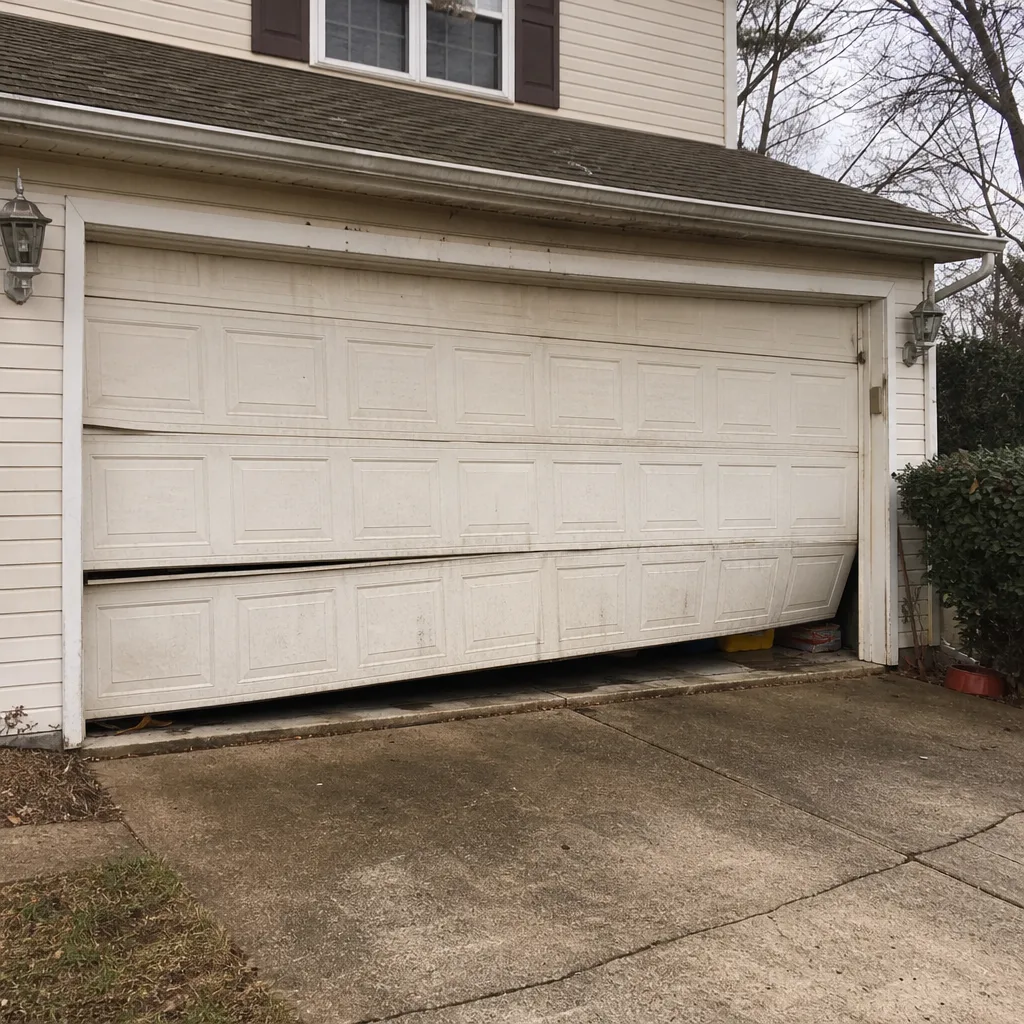 Before
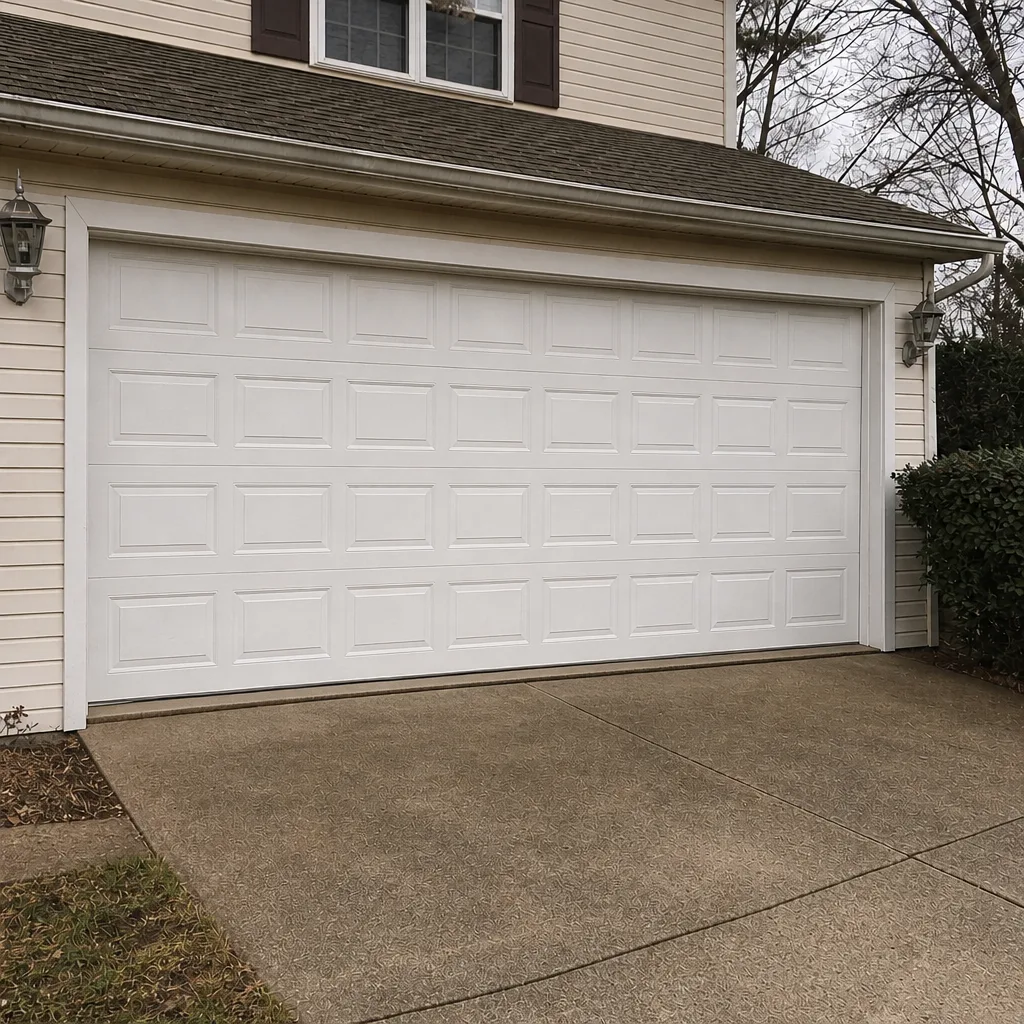 After
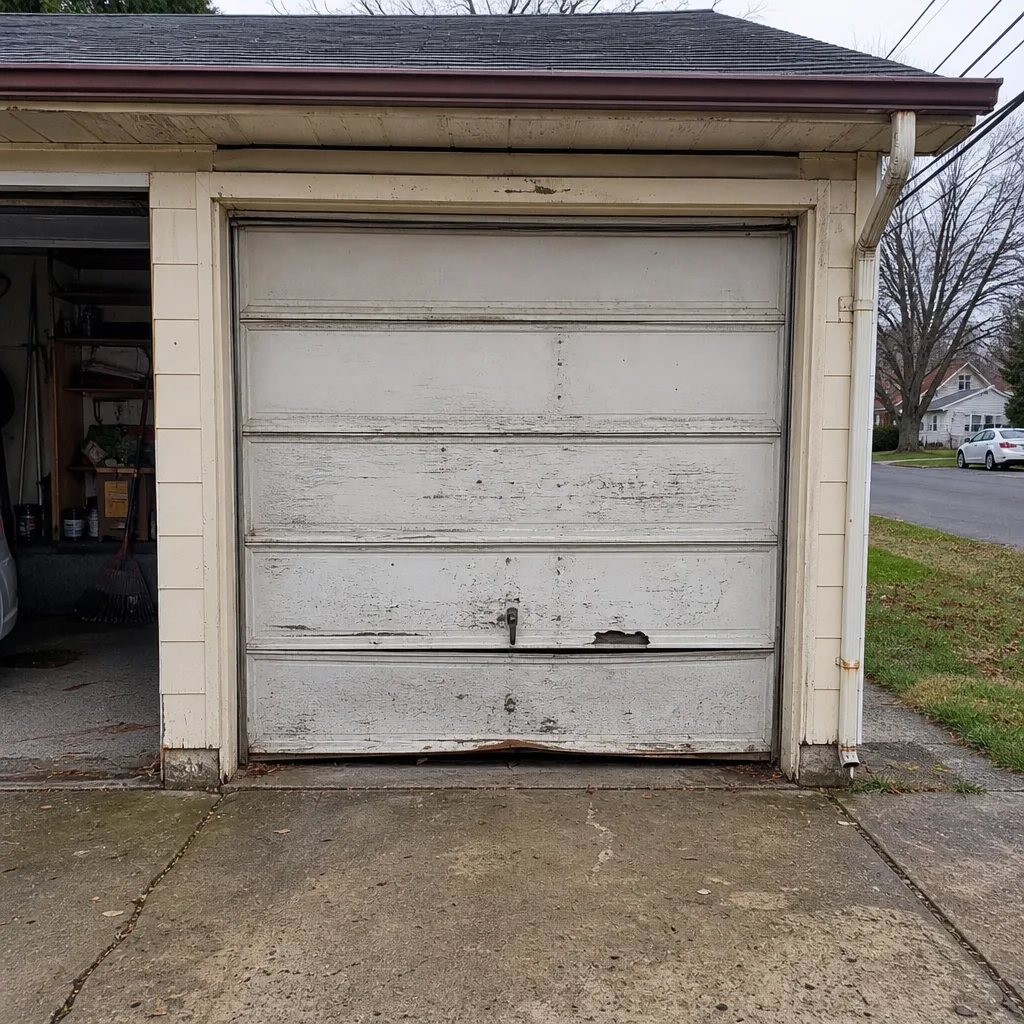 Before
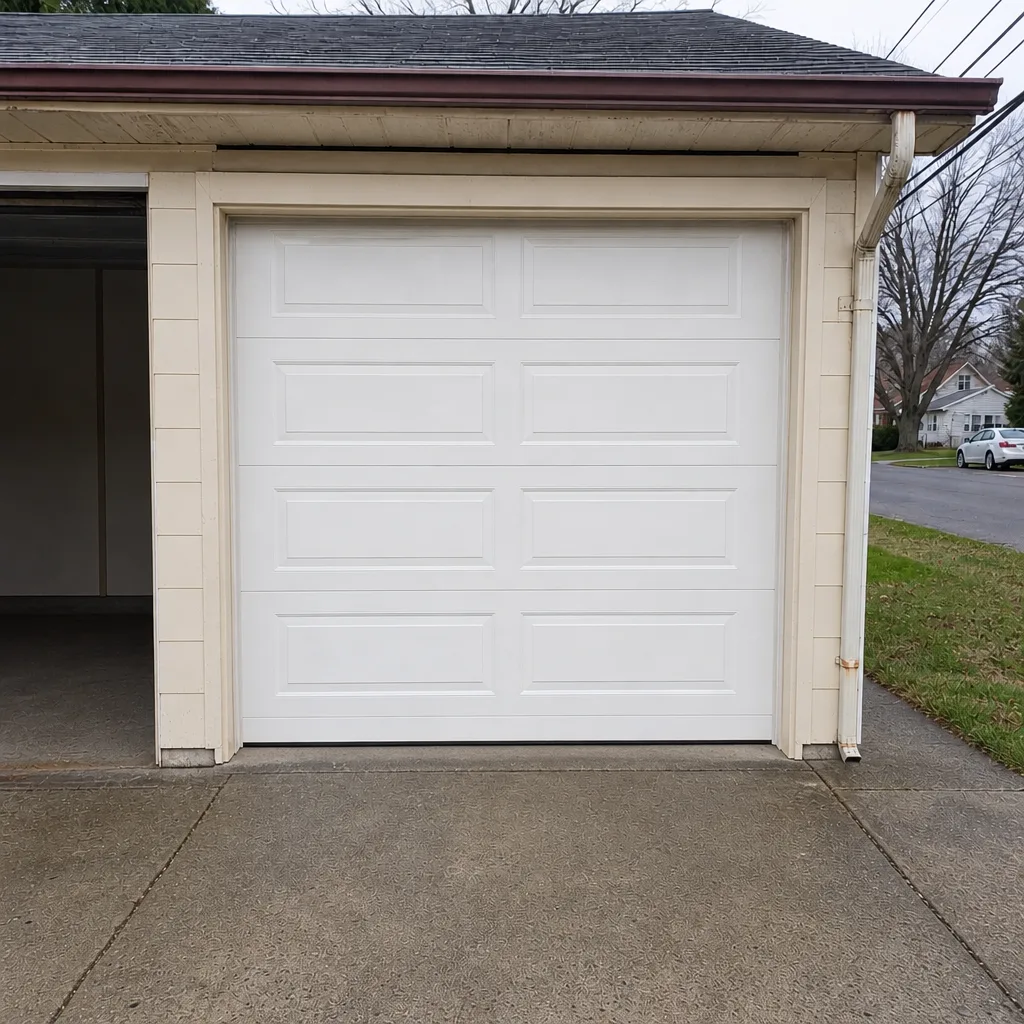 After
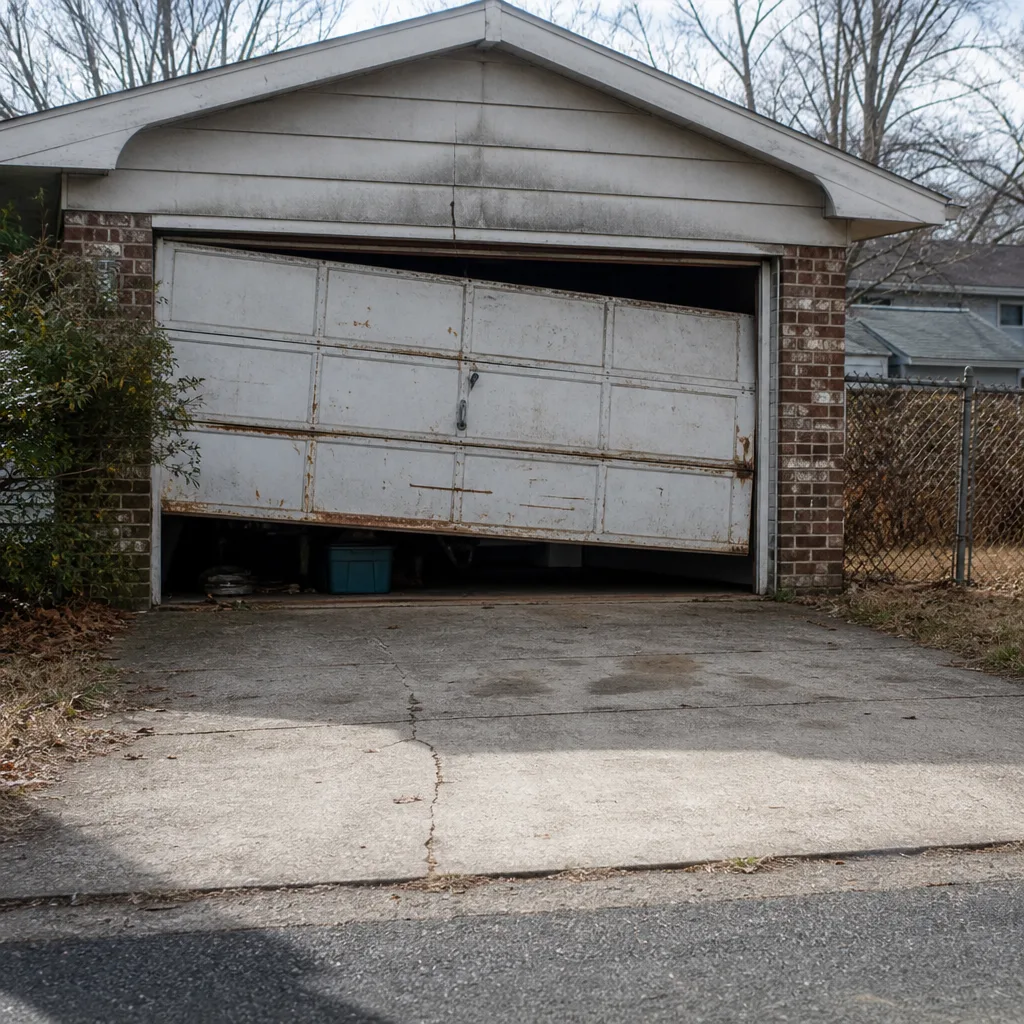 Before
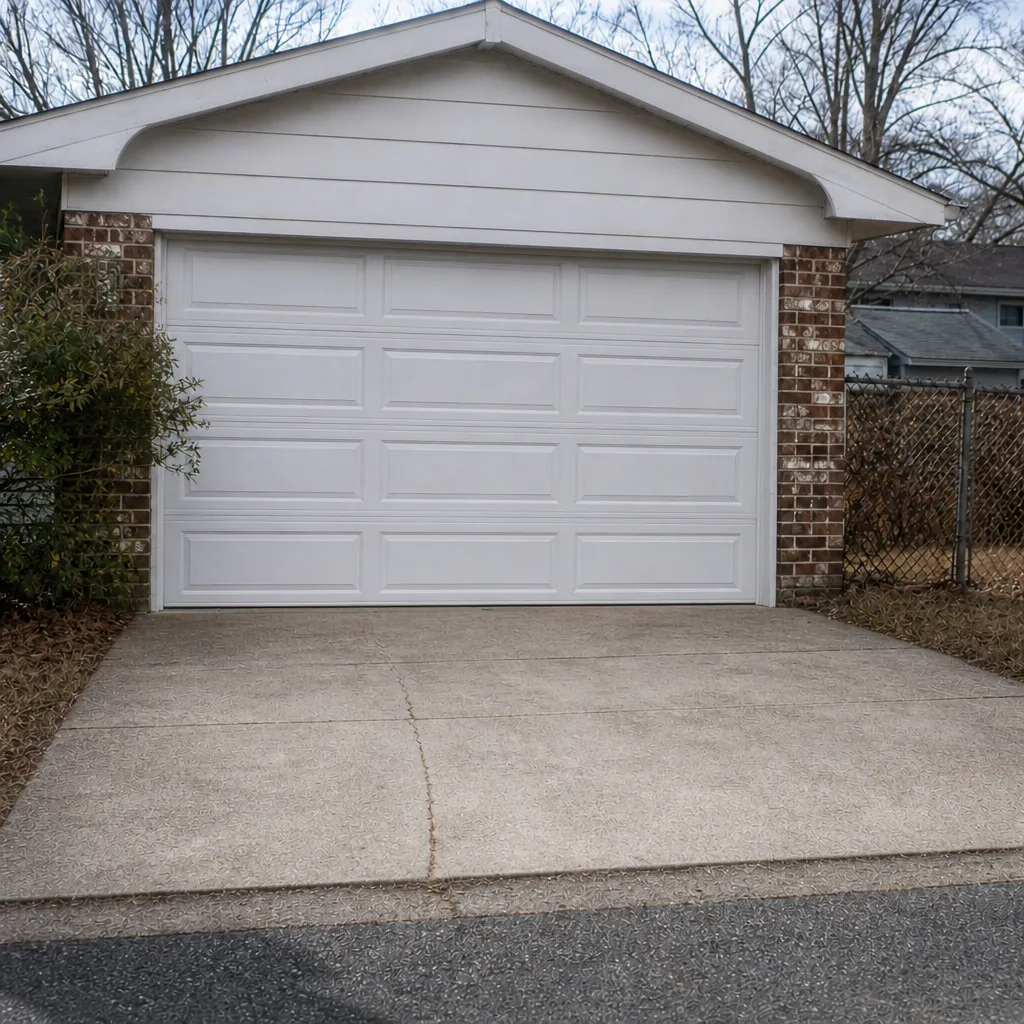 After
When to Call a Professional
Call a professional when the door is not operating safely, when a spring or cable has failed, when the door is off its tracks, or when the opener is running but the door isn’t moving. Those are the scenarios where a wrong move – forcing the door, running the opener on a broken spring, trying to get a door back on a track by hand – turns a $200 repair into a full replacement and a real injury risk.
Call us for a free estimate if you’re weighing repair versus replacement and want a straight answer on which category you’re in. That matters for the permit question as much as for the budget. Garage Door Repair Brick offers free estimates in Brick Township and can walk you through the permit process for a replacement before you commit to anything. Call (888) 569-3530 to get started.
Frequently Asked Questions
Yes. A full garage door replacement is a construction permit item in Brick Township under New Jersey’s Uniform Construction Code, and the job requires an inspection before the permit can be closed. Repairing an existing door, replacing the opener, or swapping a single panel does not normally require a permit. Call (888) 569-3530 for an exact quote on your job – estimates are free.
A repair keeps the existing door assembly in place and replaces components, while a replacement removes and installs the entire assembly, including the door, tracks, and mounting hardware. The second requires a permit; the first does not. If you’re unsure which one you’re facing, call (888) 569-3530 – we’ll tell you straight, free of charge.
Usually, yes. Unpermitted work on an owner-occupied single-family home in New Jersey can typically be brought into compliance by filing a retroactive permit and passing an inspection. Any deficiencies found get corrected before the permit closes. This is common in Brick Township resales. Call (888) 569-3530 for help sorting out the scope before you list.
No. A straight opener swap, including a new LiftMaster or Chamberlain unit on existing wiring, is repair work and doesn’t require a construction permit. If the installation involves new electrical circuits, the electrical side may need a permit – call (888) 569-3530 and we’ll tell you whether your specific setup crosses that line.
New Jersey’s residential code requires replacement garage doors to meet a wind-load rating based on the site’s geographic wind zone, and Brick Township sits in a higher-exposure zone because of its position along the shore. The door’s rating, the reinforcement, and the anchoring all have to match the site requirement. This is the single biggest cause of failed inspections here – call (888) 569-3530 if you’re not sure what door you need.
No. The price is set by a written estimate, quoted and agreed before any work starts. If the inspection turns up something unexpected after the door is installed, we address it as part of the job – but the price you agreed to is the price you pay. Call (888) 569-3530 for a free estimate on replacement, repair, or spring work.
The Bottom Line
The permit question in Brick Township comes down to one honest line: replacing the whole door assembly needs a township permit and an inspection; repairing what’s already there doesn’t. Getting that category right before you order anything saves you the cost and delay of a failed inspection, and pulling the permit history before you list your house saves you a negotiation at closing. Wind-load ratings in this zone aren’t optional, and the door you buy has to match the site, not the other way around. Springs and cables are not a do-it-yourself job, ever. Call (888) 569-3530 with the specifics of your door and we’ll point you to the right next step.
Contact Us
Whether you’re sorting out a permit question, facing a broken spring, or planning a full replacement, we’re set up to help. We work across the major brands – Clopay, Amarr, Wayne Dalton, Genie, LiftMaster, Chamberlain, Craftsman, and Raynor – and we’ll diagnose before we recommend. Our technicians have up to 12 years of experience and can walk you through the permit sequence for a replacement before you commit. Call (888) 569-3530 for a free estimate. We answer 24/7. Fast dispatch from 7am to 7pm, Sunday through Friday – and the price is always quoted and agreed before any work starts.
Written by the team at Garage Door Repair Brick.