
Last updated November 21, 2026
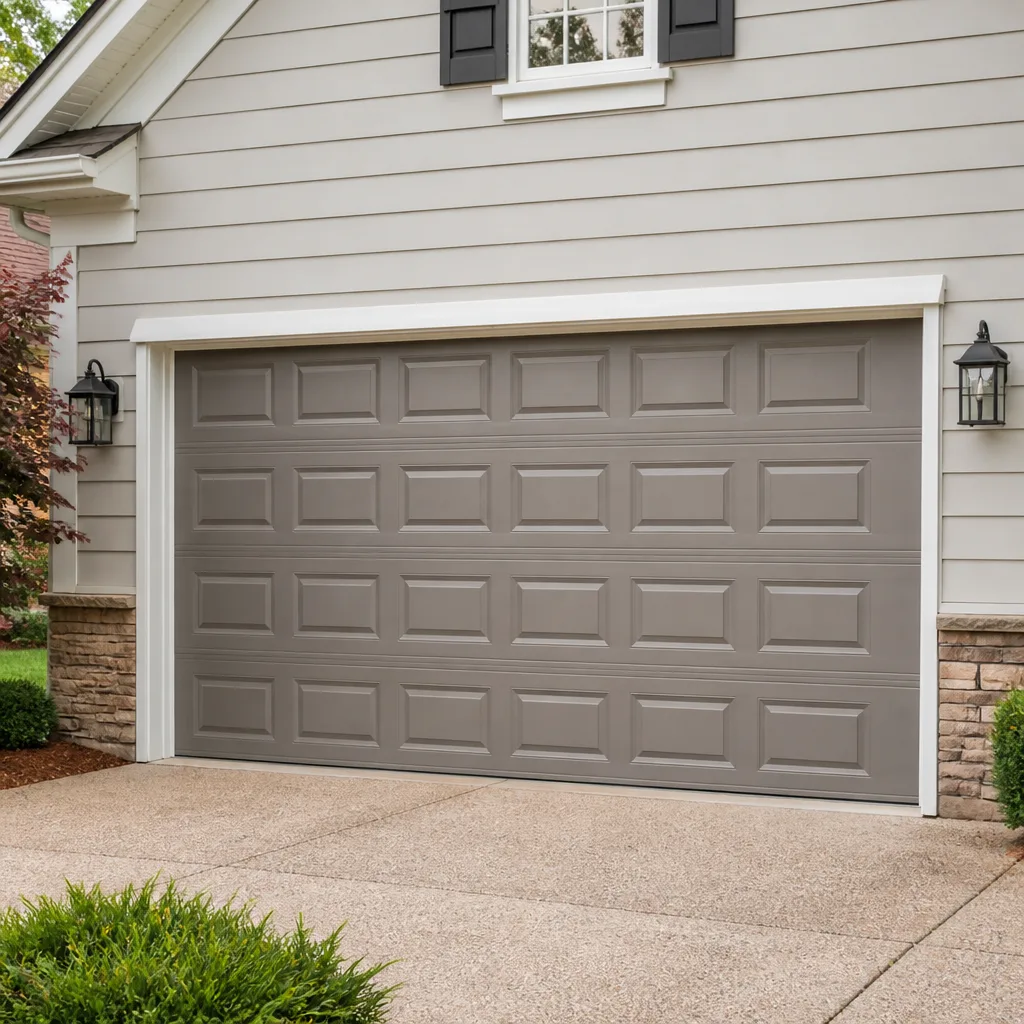 Raised-panel steel
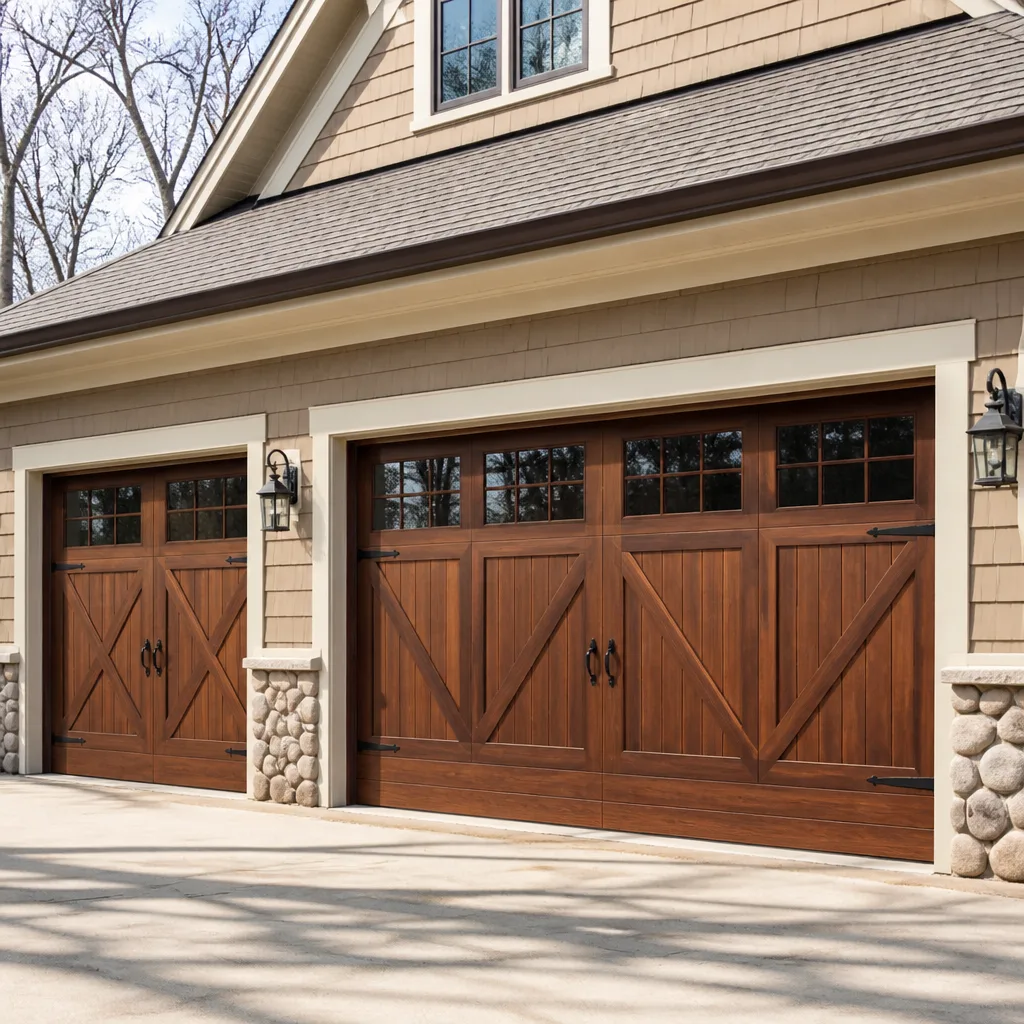 Carriage house
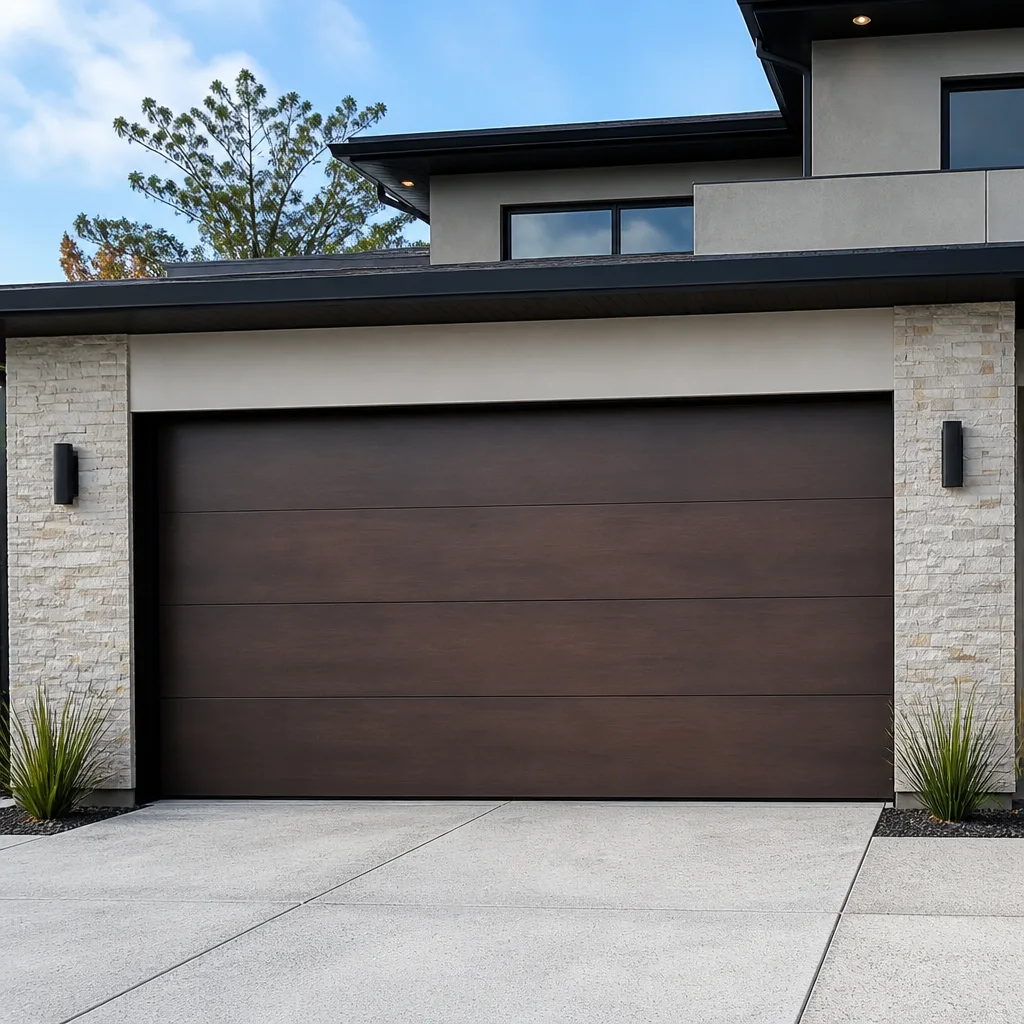 Modern flush
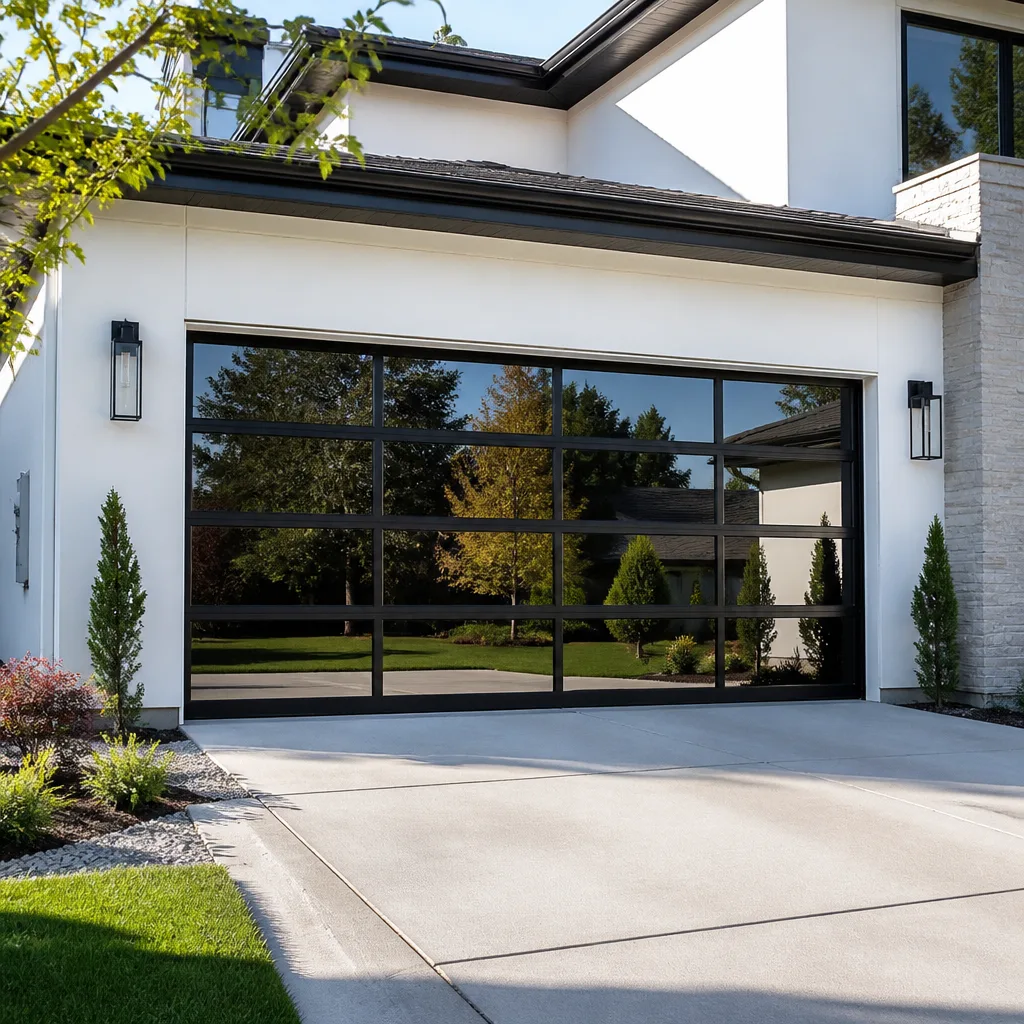 Full-view glass
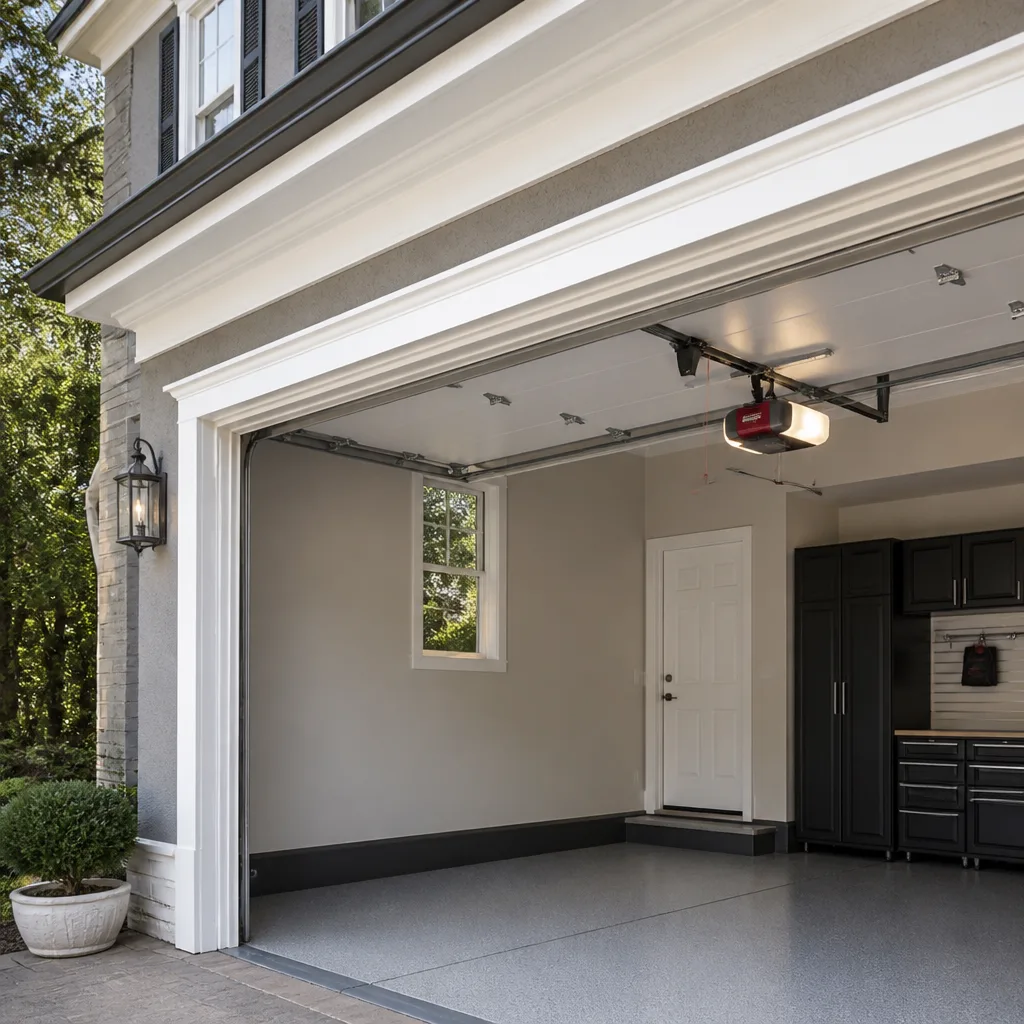 LiftMaster openers
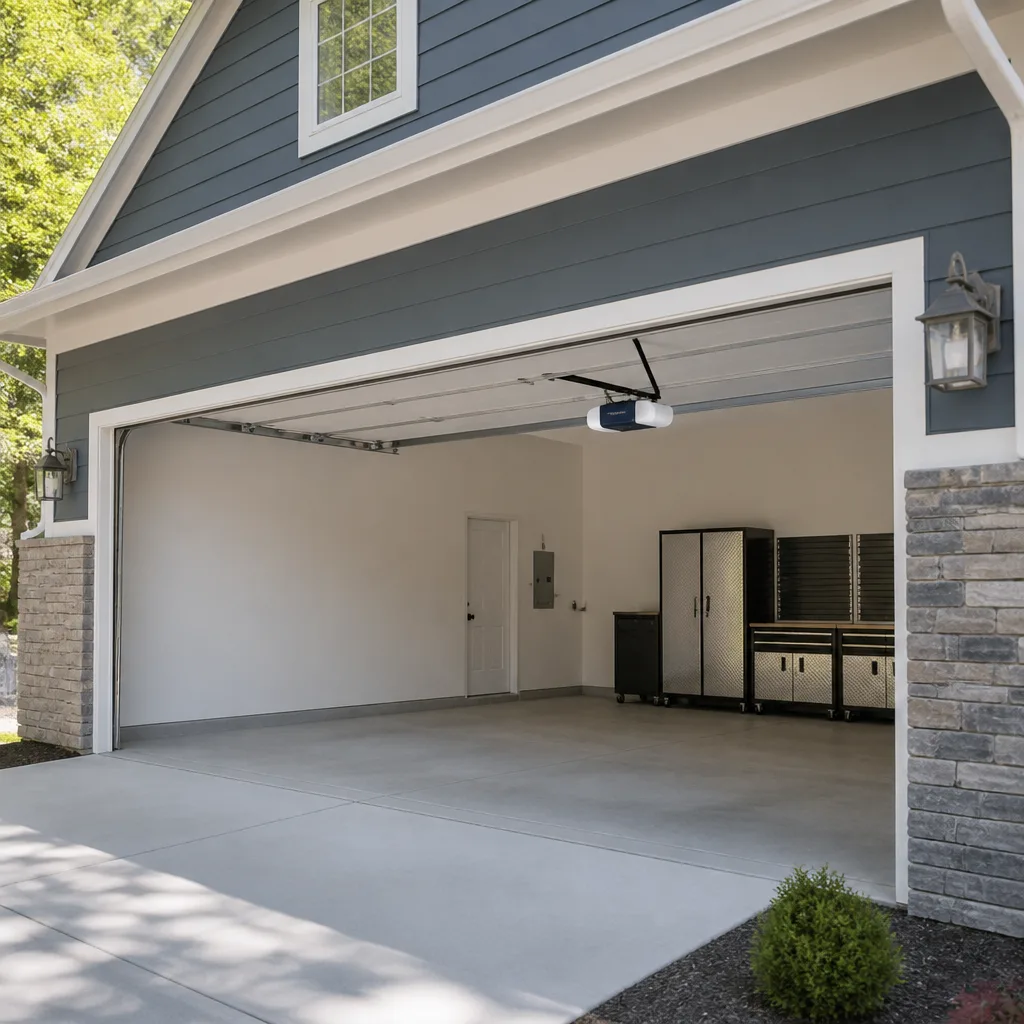 Chamberlain openers
Full 25-point door and opener safety check with every visit - springs, cables, rollers, tracks, and your LiftMaster or Chamberlain opener included
You get a price before we start. It does not change when the pro arrives.
Get your free estimateGarage Door Repair Maintenance Schedule: What to Do and When
Most homeowners treat garage door maintenance as one yearly task: squirt some oil on the hinges, call it done. That’s the wrong model. A garage door isn’t a single machine. It’s a stack of parts with wildly different wear rates, and the parts that fail first (rollers, cables, springs) are almost never the ones people look at. The bottom seal that crumbles and the nylon roller that flat-spots are on entirely different clocks. This guide breaks the job into five inspection cycles tied to how fast each component actually wears, so you check the right thing at the right time. Read it once and you’ll know exactly what to do in Brick Township, month by month.
Quick Answer
Garage door maintenance runs on five cycles: monthly visual inspection, seasonal lubrication, annual spring and safety checks, and multi-year attention to seals and rollers based on cycle count. Monthly inspections take under three minutes and catch active failures (frayed cables, flat-spotted rollers) before they turn into bigger ones. Lubricate hinges and track every 90 days in a shore-influenced climate, check torsion springs and limit-switch calibration once a year, and log every inspection so a technician can tell a predictable failure from a sudden one.
Styles & brands we work with
- Raised-panel steel
- Carriage house
- Modern flush
- Full-view glass
- LiftMaster openers
- Chamberlain openers
Table of Contents
- The Monthly Inspection
- The Seasonal Lubrication Cycle
- The Annual Full-System Check
- Rollers and the Cycle-Count Rule
- Springs: The Safety Line
- Opener and Safety Sensor Calibration
- Logging Maintenance So It’s Useful
- Common Mistakes to Avoid
The Monthly Inspection
The monthly check is visual only. You’re looking, not fixing, and it takes under three minutes. The goal is to catch active failures before they become expensive ones. Most homeowners never do this, which is why they call us with the door already stuck or off-track.
Start at eye level and work down:
- Cables – the steel wire running along the tracks. Look for fraying, kinks, or rust. A frayed cable is a warning sign, not a cosmetic issue, and it needs a professional’s eyes.
- Rollers – the nylon or metal wheels in the track. Flat spots, cracks, or wobble mean they’re wearing out. You should be able to turn each one by hand; if it locks, it’s time.
- Hinges – check for loose screws and visible rust, especially on the bottom hinge.
- Bottom of the door – clear debris, pebbles, or seasonal grit from the track. Gravel against a bottom seal accelerates wear on the whole system.
Do this in Brick Township in the first week of every month, and you’ll have a clear picture of component wear. It’s the lowest-effort, highest-payoff part of the whole schedule. Look for a Garage Door Repair Brick resource if you want a printable version of the list. What you’re trying to spot is not normal wear but the wrong kind of change: a cable that’s suddenly tighter on one side, a roller that went from turning to stuck. The moment something looks different, mark it and flag it for a professional’s visit.
The Seasonal Lubrication Cycle
Garage door hinges and tracks need lubrication every 90 days, not once a year. That’s the single most important scheduling rule in this guide. Most homeowners skip it because it’s quick and unglamorous, then wonder why their door is noisy and stiff at the worst possible moment. Brick Township’s salt-influenced environment makes it more urgent, not less. The salt and grit that ride in with the air and rain do a good job of breaking down lubrication and speeding corrosion on hinges and track. Treat lubrication as a 90-day job, not an annual one.
What to use:
- Lithium soap grease or silicone-based lubricant – ideal for metal tracks and hinges; stays put through temperature swings.
- White lithium spray – good for the torsion spring shaft and hinge pins.
- Silicone spray – the right choice for nylon rollers, which a petroleum lubricant can degrade.
What to avoid: WD-40. It’s a degreaser, not a lubricant. It thins and displaces the existing grease and leaves the hinge or track drier than before. It can also damage nylon rollers over time.
What goes where:
- Apply a light, even coating to hinge pins and the torsion bar shaft.
- Spray silicone on the track’s curves (where rollers run) and the roller axles, not the flat sections.
- Wipe off excess with a clean rag; too much lubricant attracts dust grim for a door’s mechanism.
- Cycle the door up and down twice to spread the lubricant.
Do this at the start of each season in Brick Township: it’s when the weather is changing and the door is being used less, giving the grease time to settle.
The Annual Full-System Check
Once a year, the door deserves a real inspection. This is where you get to know your springs, seals, and calibration. If you’re not confident doing any of it yourself, call us. Our garage door repair team handles this work and can point out what matters in your system.
The annual checklist:
- Torsion spring check – look at the springs above the door. Any visible gap, sag, or discoloration needs professional attention. Never touch or adjust them yourself: they hold tension under extreme load and can cause serious injury if the adjustment goes wrong.
- Bottom seal inspection – run your hand along the bottom seal. If it’s crumbling, cracked, or flat, it stops doing its job. A damaged seal lets water and grit in and increases the load on the door.
- Cable check – a visual check for fraying and corrosion; no adjustment. If anything looks off, stop and call.
- Limit switch calibration – when the door opens or closes, does it stop flush? Uneven travel means the limit switch needs adjusting.
- Safety sensor test – block the beam with your hand or a bag. The door should reverse. If it doesn’t, the sensors need realignment or replacement.
- Opener and belt/chain tension – check for excessive slack in the belt or chain. A tool-loose belt will slap and wear.
What a real annual check does: it tells you whether the bottom seal needs replacing now or can last another year, and whether the spring is about to fail. It’s the middle ground between a quick monthly glance and a full professional tear-down.
Rollers and the Cycle-Count Rule
Rollers don’t wear on a calendar. They wear on a cycle count. Each time you open and close the door, every roller rolls once. Most homeowners never think about this. Nylon and steel rollers are rated for a certain number of cycles, and that’s the right way to schedule their inspection, not once a year.
A household that cycles the door four times daily (two cars in and out) hits 10,000 cycles in under seven years. The rollers should be inspected at that count, not just when they get noisy. When a roller fails, it drops the door off track. That’s a service call fast and structural, not just a noise.
What to check:
- Flat spots – the classic sign of a worn roller. Roll the door halfway and look at each roller; a flat spot means the wheel isn’t round anymore.
- Wobble – a roller that rattles or wobbles in its bracket is about to fail.
- Axle play – the axle should turn freely but not rattle side to side.
What to do: replace a single bad roller quickly; the others will follow anyway. We usually recommend replacing all rollers at once if one is badly worn; they are on the same clock.
We also see this on doors with LiftMaster openers: repeated stalling and reversing can be caused by a bad roller, not the opener. In our experience, homeowners replace the whole opener, but the actual fix is roller replacement. Check the rollers before you spend money on a motor.
Springs: The Safety Line
Torsion springs are the most compressed, highest-tension part of your door. They should be checked visually by a professional at least once a year, but not touched. A torsion spring can be under more than a hundred pounds of tension. If it snaps while you’re adjusting it, it can cause serious injury. This is not a DIY job. We offer garage door spring repair as a dedicated service because springs sit at the heart of most serious failures. A spring that’s ready to fail often gives warning: the door gets heavy to lift manually, the opener strains, the spring looks stretched or gapped. But a sudden break has almost no warning, especially on a $20 torsion spring. That’s why professional inspection is worth it.
The key rule: never try to tighten, release, or replace a torsion spring. Call a trained technician. Our professionals have handled these systems since before smart openers became common, and they can tell the difference between normal wear and a spring that’s about to let go. If you’re replacing springs, keep the existing tension in mind: a matched pair should be replaced together, not one at a time.
Opener and Safety Sensor Calibration
Your opener has its own maintenance schedule: once a year, test the high-limit switch, the safety reverse, and the manual release. These are not optional, they keep the door from crushing what’s under it. For an in-depth walkthrough, our garage door opener repair page covers the brand-specific test for Chamberlain, Genie, and other systems.
The annual opener check:
- High-limit switch – open the door fully, then run the closing cycle and make sure it stops before it pushes too hard.
- Safety reverse – put a roll of paper towels under the door and close it; it must stop and reverse. If it doesn’t, the sensors are dirty or misaligned.
- Manual release – pull the emergency release and lift the door by hand; it should lift easily and evenly. If it’s a struggle, the spring is weak and the opener is doing the work.
- Sensor alignment – clean both lenses with a dry cloth; grit and cobwebs are the most common cause of false trips.
- Battery backup – test once a year; these batteries degrade silently.
We work on most opening brands, so whether you have a Chamberlain (myQ) or a Genie, the test routine is the same. What matters is that the sensor beam is clear and the travel limits are set to the door’s actual track.
Logging Maintenance So It’s Useful
Keep a simple log, not a scrapbook. A technician needs to know three things: what you did, when you did it, and what you saw. You don’t need a spreadsheet, just a note on the wall or in your phone. The log makes the difference between “the door failed suddenly” and “the door failed after three months of noise and a roller that was already flat-spotted in February.” A good log turns a mystery into a diagnosis. Here’s what to include:
- Date and action – e.g., “March – lubricated hinges, track.” Not “fixed the door.”
- Observation – “left roller looked flat,” “cable slightly frayed on left.” This is the gold the technician needs.
- Any repair or replacement – including brand and part. It matters for later cycles.
Our technicians log their own visits too, so a customer’s log plus our service history on the same door is the most useful record in the trade. We can look at a log that says “called in April – noise” and read the whole timeline.
Common Mistakes to Avoid
- Treating maintenance as one yearly task. The biggest mistake. Monthly, seasonal, and annual checks catch different failures. If you only do one, you miss most of them.
- Lubricating with WD-40. It’s a degreaser and it damages nylon rollers. Use lithium grease or silicone spray.
- Ignoring cable fraying because the door still works. Frayed cables are a warning; they don’t resolve. A cable can snap suddenly and drop a door off track.
- Forgetting the bottom seal. It’s cheap, it’s simple, and it’s the most overlooked wear part in the whole door. A torn seal lets water in and increases door load.
- Trying to adjust springs yourself. This is the biggest safety mistake. Torsion springs store enormous tension; a wrong turn can cause serious injury.
- Not testing the safety reverse. The most important safety check in the system is also the easiest to skip. It takes a roll of paper towels.
See the difference
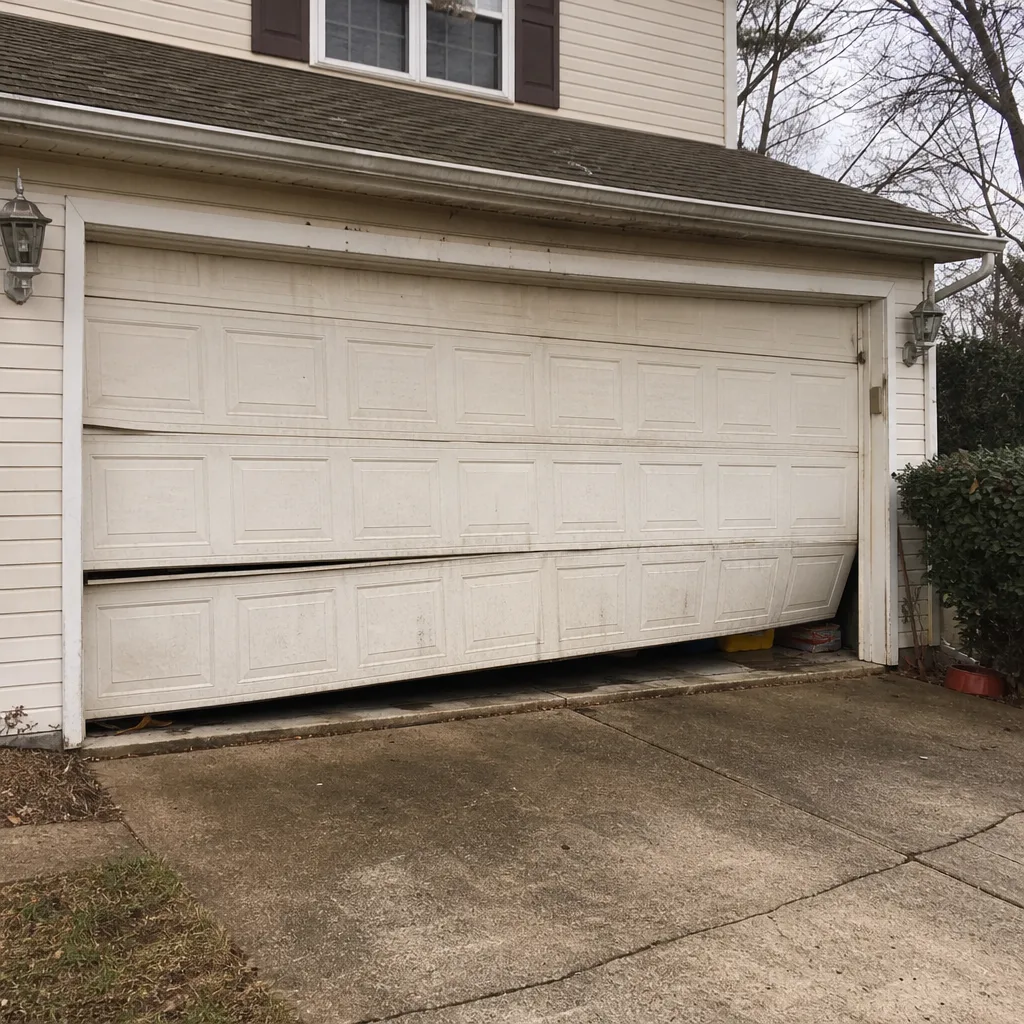 Before
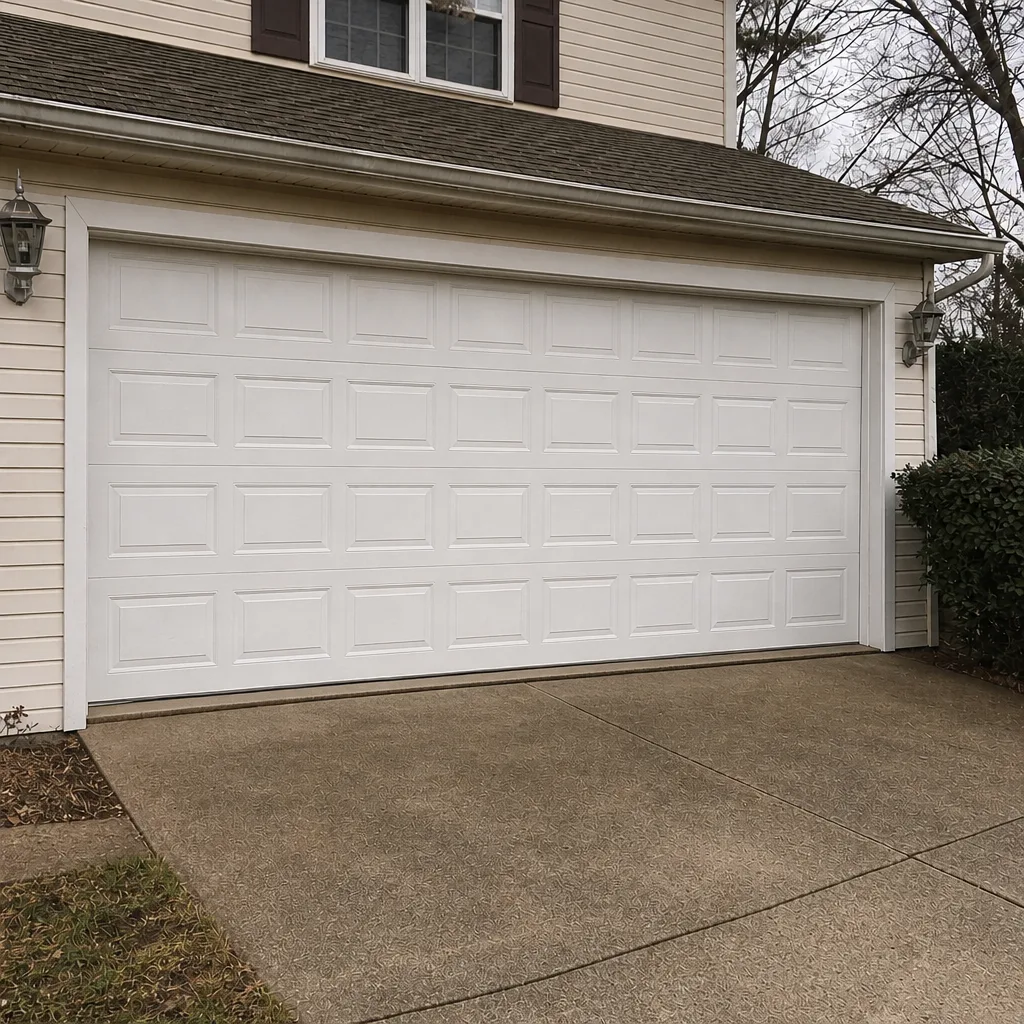 After
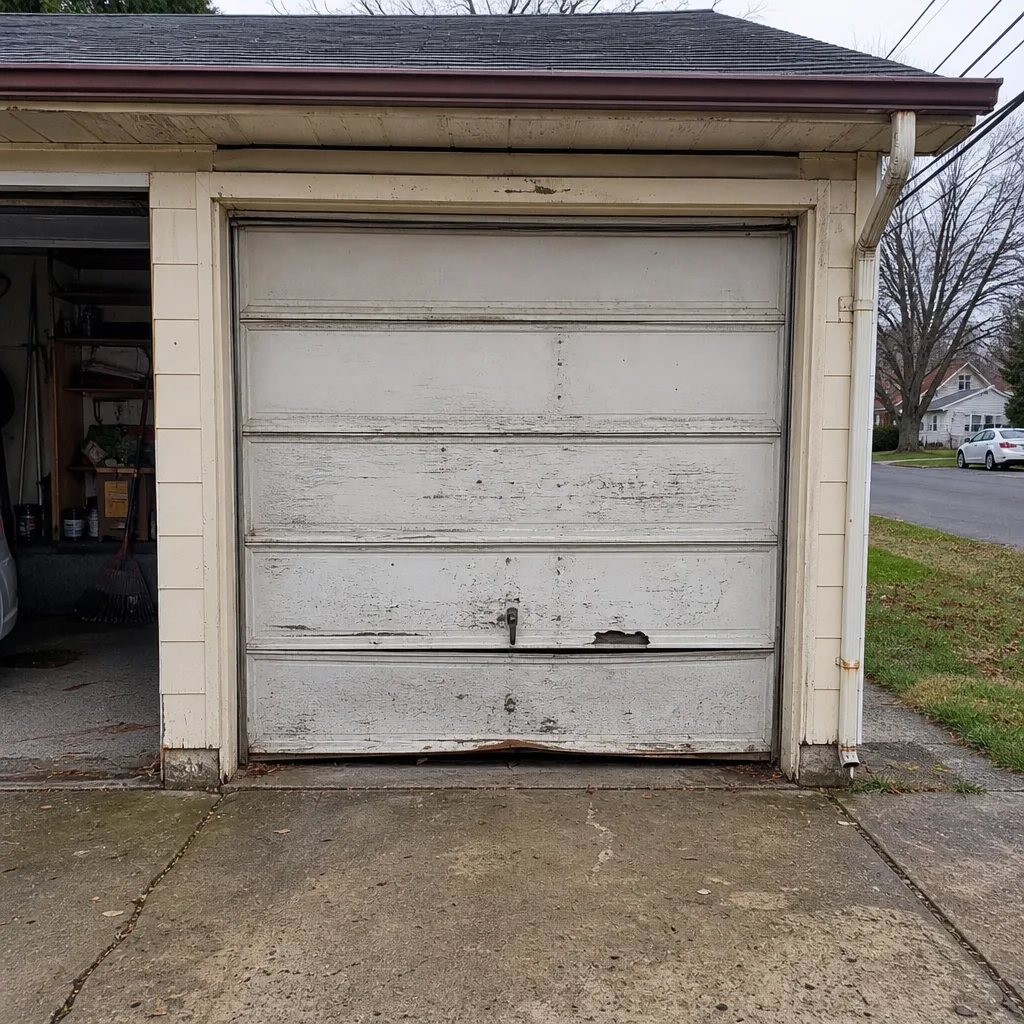 Before
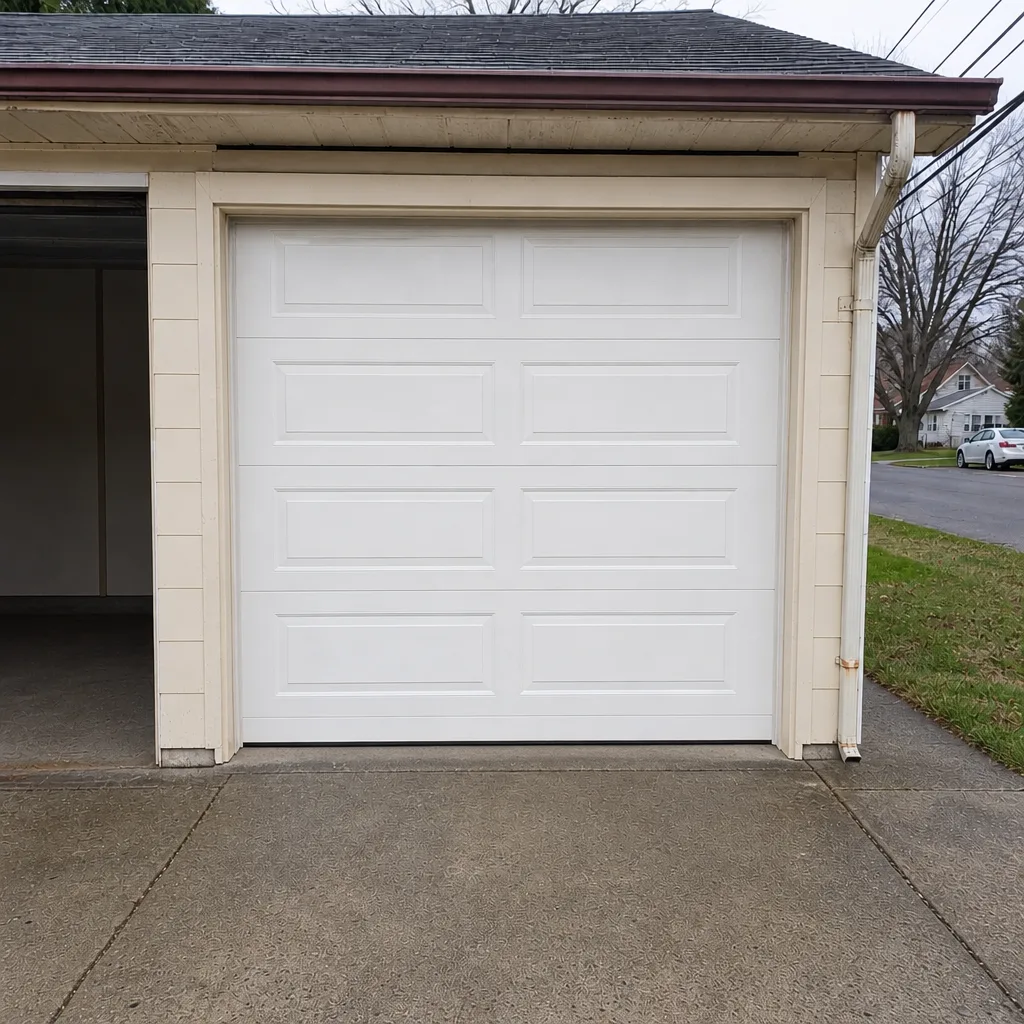 After
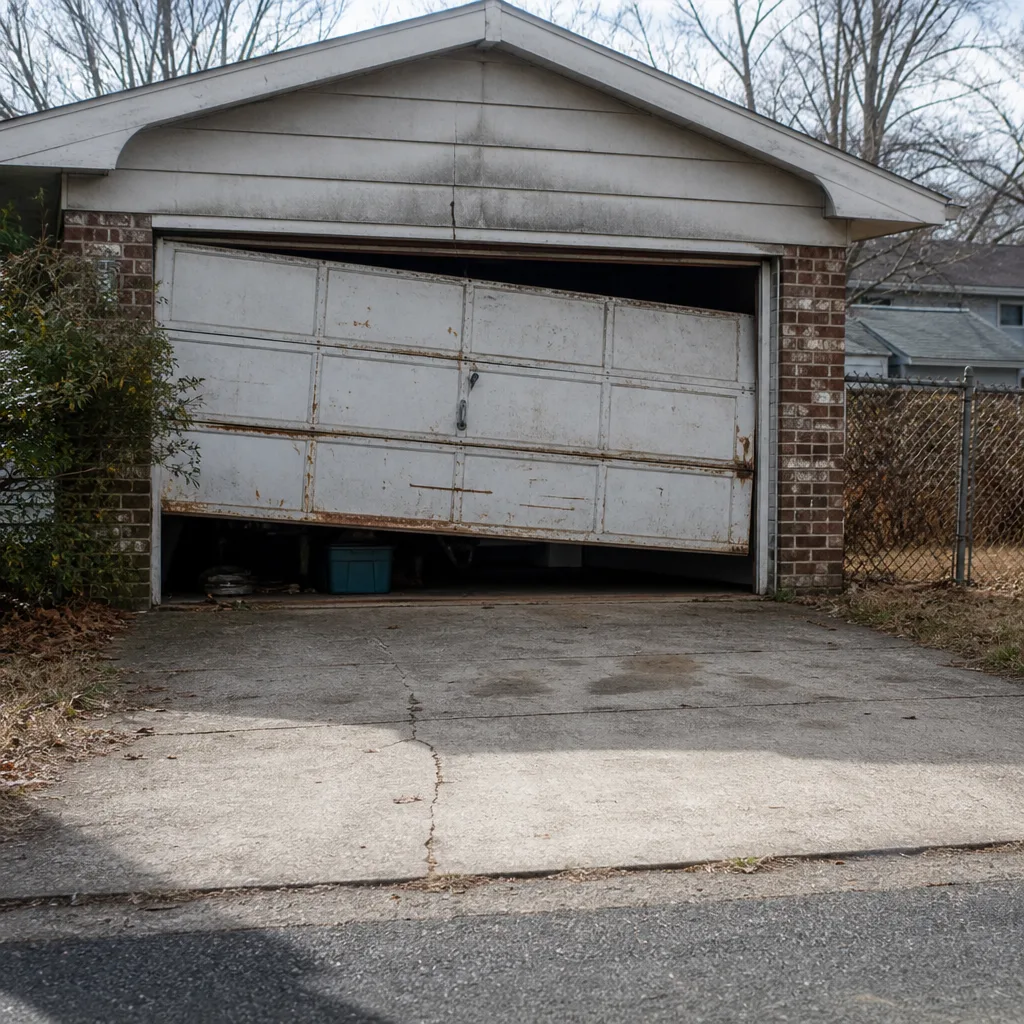 Before
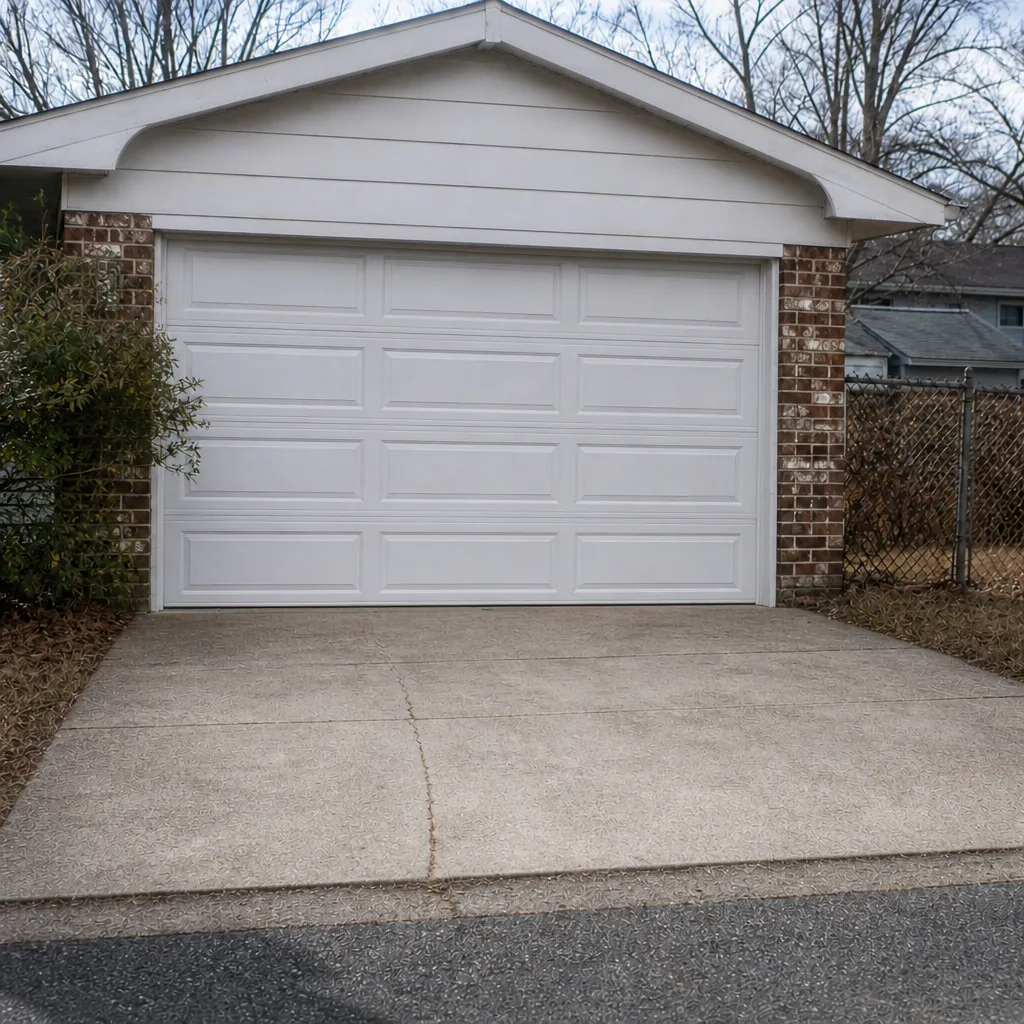 After
When to Call a Professional
Call us if you’re not sure what you’re seeing. A frayed cable, a spring that looks sagging, a door that binds on one side, or a safety reverse that doesn’t work are all jobs for a trained technician. You should also call if your roller count is over 10,000 cycles, if your door is more than ten years old, or if it’s making a noise it didn’t make last season. Our technicians have up to 12 years of experience with LiftMaster, Chamberlain, Genie, Clopay, and more, and we work on most residential systems. Garage Door Repair Brick offers free estimates in Brick Township. Call (888) 569-3530. We answer 24/7. Fast dispatch from 7am to 7pm, Sunday through Friday.
Frequently Asked Questions
You should do a visual inspection monthly, lubricate every 90 days, and a full-system check once a year. The shore-influenced climate here makes the 90-day lubrication cycle more urgent than the typical once-a-year advice. Rollers are the exception; replace them based on cycle count, not calendar.
No. WD-40 is a degreaser, not a lubricant. It removes existing grease and can leave the hinge drier than before. It can also damage nylon rollers. Use white lithium grease or silicone spray instead.
You can do a visual check: look for a sagging, gapped, or discolored spring. Do not touch, adjust, or replace them. They store dangerous tension and need a trained technician. If the spring looks wrong, stop and call us.
Replace rollers based on cycle count, not time. If your door opens and closes four times a day, you’ll hit 10,000 cycles in under seven years. Inspect them at that point, and replace them in a set when one wears out.
Yes: test the safety reverse once a year and check the limit switch. For a Chamberlain myQ opener, also check the battery backup annually. For a Genie, make sure the belt or chain tension hasn’t gone too slack. The maintenance is the same, just brand-specific parts.
Roller failure is the most common, followed by spring break. Rollers wear quietly, then drop the door off track. Springs fail suddenly, usually after years of silent wear. Both are predictable with the right inspection schedule.
The Bottom Line
Garage door maintenance is not a single annual task. It’s five distinct cycles tied to real wear rates: monthly visual checks, 90-day lubrication, annual spring and safety tests, multi-year roller replacement, and a maintained log. In Brick Township, the climate makes the 90-day lubrication rule even more important. The schedule takes under ten minutes a month once you’re used to it, and it will catch most failures before they happen. If you’d rather have a professional do the check, or if something in your monthly glance doesn’t look right, call us. We answer the phone. Call (888) 569-3530 for a free estimate.
Written by the team at Garage Door Repair Brick.