
Last updated November 21, 2026
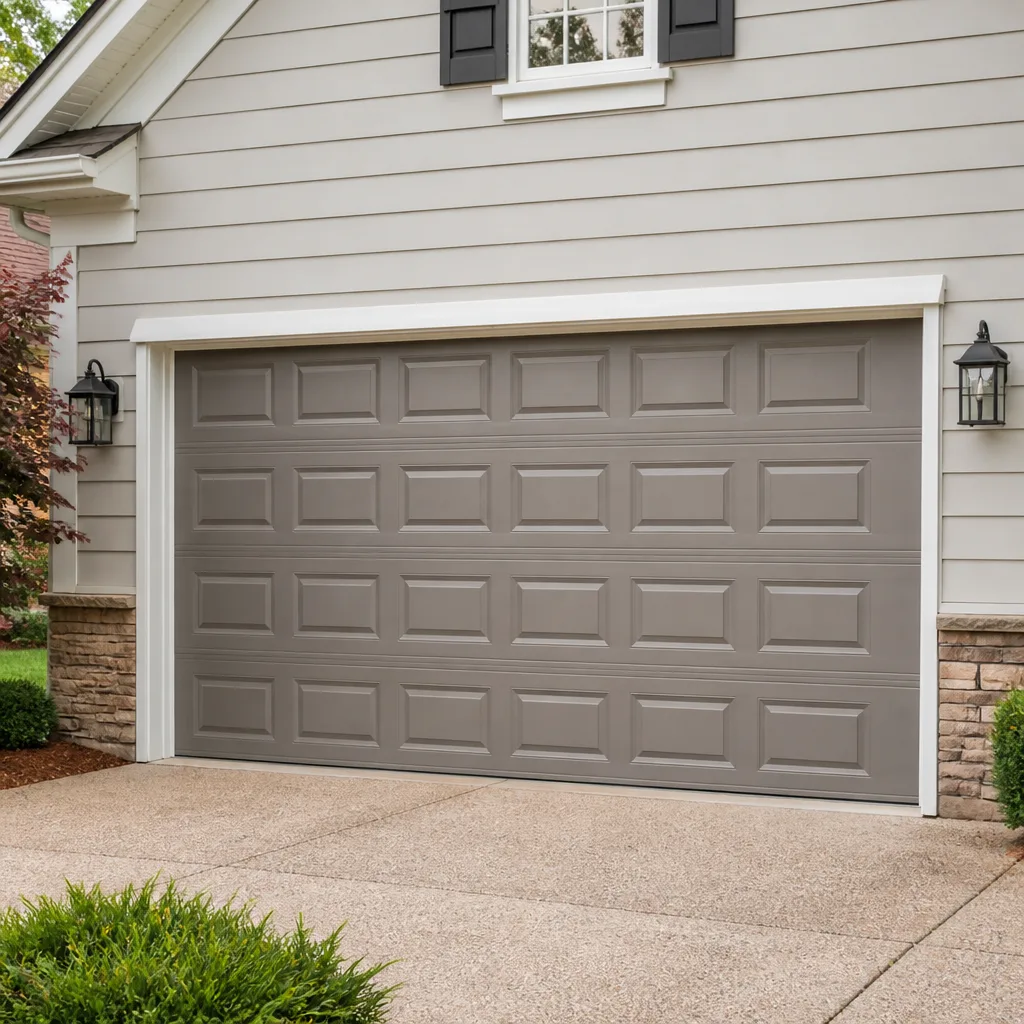 Raised-panel steel
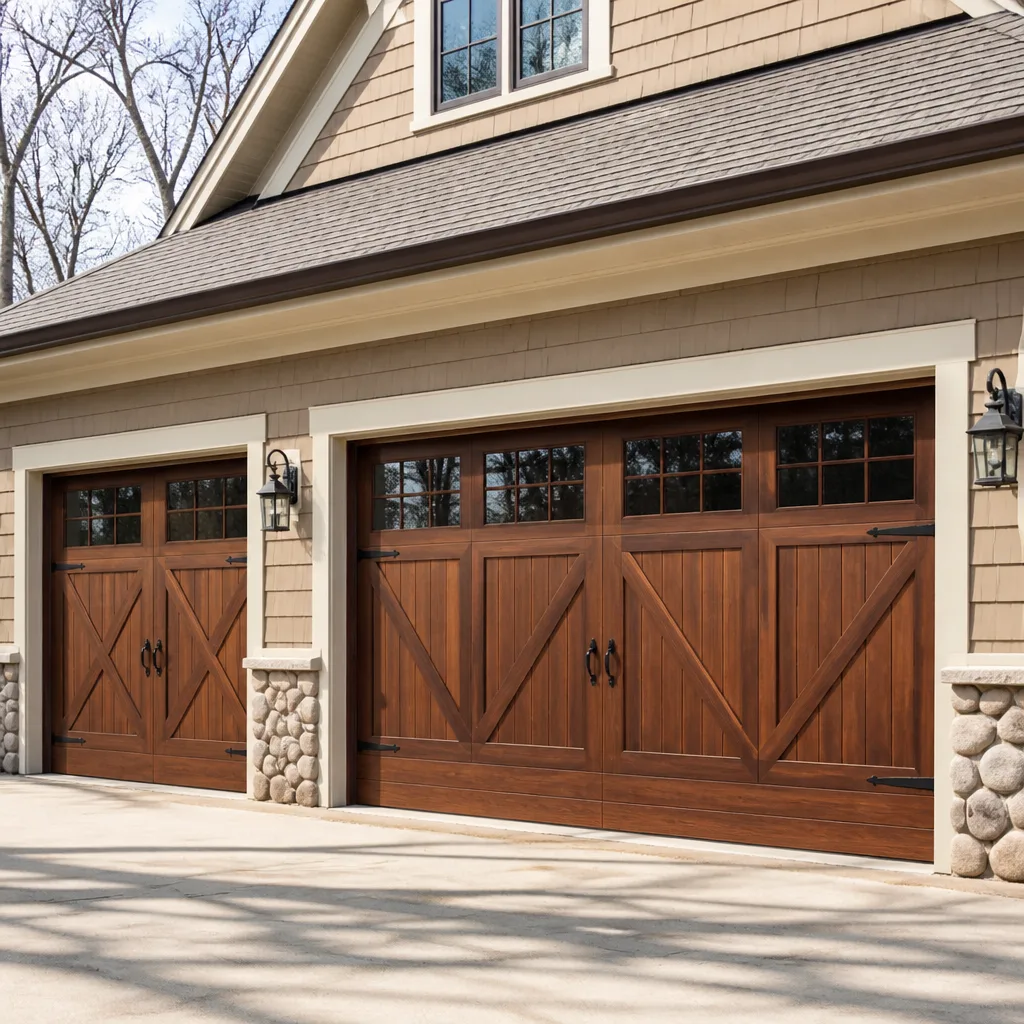 Carriage house
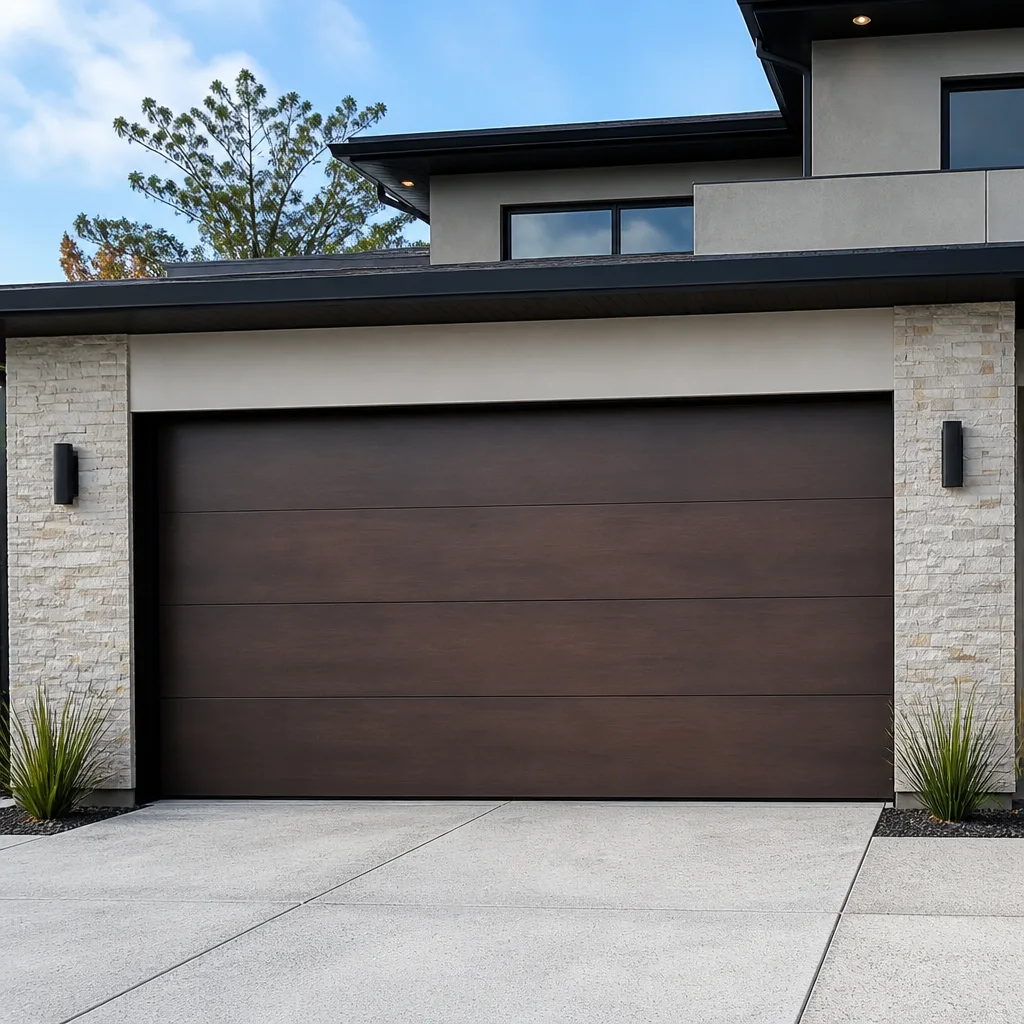 Modern flush
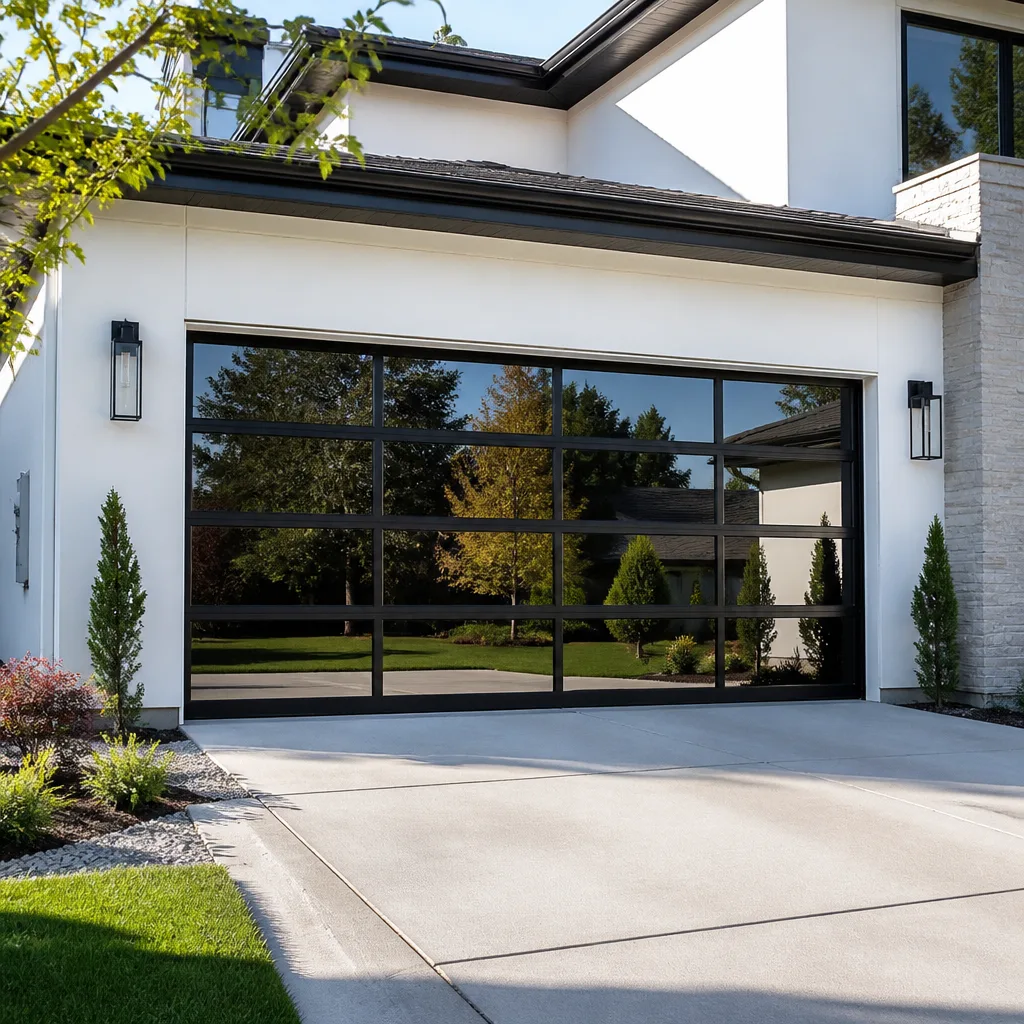 Full-view glass
 LiftMaster openers
 Chamberlain openers
Full 25-point door and opener safety check with every visit - springs, cables, rollers, tracks, and your LiftMaster or Chamberlain opener included
You get a price before we start. It does not change when the pro arrives.
Get your free estimateSeasonal Garage Door Care for Brick Township: Year-Round Homeowner’s Guide
The spring most likely to snap in Brick Township isn’t the oldest one. It’s the one that cycled through a wet, freeze-thaw January without a drop of lubrication, then sat through a humid July with a bottom seal pressed flat against a damp slab. Timing matters more than the calendar on the wall. Garage doors here take a specific beating: nor’easters in winter, heavy humid air in summer, and a fall that runs wet and windy right up to the first hard freeze. This guide walks through what each season does to your door, what to check before the damage window opens, and when the job belongs to a professional rather than a homeowner with a can of spray lube.
Quick Answer
Seasonal garage door care in Brick Township means treating fall as the priority window (lubricate torsion springs and moving metal before cold contraction stresses worn coils), inspecting bottom and threshold seals after every freeze-thaw stretch in winter, checking tracks and rollers for storm damage each spring, and watching wood-backed panels for swelling in summer humidity. A single annual tune-up misses all four damage windows. Time the work to the season and your door lasts longer between repairs.
Styles & brands we work with
- Raised-panel steel
- Carriage house
- Modern flush
- Full-view glass
- LiftMaster openers
- Chamberlain openers
Table of Contents
- Why Season Matters More Than the Calendar for a Brick Township Door
- Fall: Why October Is the Critical Window for Torsion Springs
- Winter: Freeze-Thaw Cycles and What They Do to Your Bottom Seal
- Spring: The Post-Nor’easter Inspection Checklist
- Summer: Humidity, Wood Panel Swelling, and Track Alignment
- Storm Prep for Ocean County: What to Do Before a Named Storm
- A Year-Round Maintenance Schedule You Can Actually Follow
- When Seasonal Care Turns Into a Repair Call
Why Season Matters More Than the Calendar for a Brick Township Door
Most maintenance advice tells you to service your garage door “once a year” and leaves it there. That advice doesn’t hold up in Brick Township, because the four seasons here stress four completely different sets of components. Lubricant that’s perfect in October can be pushed out of a roller bearing by February. A bottom seal that looks fine in April can be compressed flat by June. A wood-backed panel that’s flat in January can bow through July.
A garage door is a moving metal system with a spring under enormous tension, a set of tracks that need to stay plumb, and seals that need to sit flush against a slab. Each of those parts reacts to temperature and moisture differently. In a mild climate with little seasonal swing, one annual visit covers most of it. In Ocean County, the swing between a wet, freezing January and a humid, sticky August is wide enough that a single tune-up is really only covering a quarter of the year.
What stresses what, season by season
- Torsion and extension springs: cold contraction plus lost lubrication is the highest-risk combination, which is why fall lubrication matters.
- Bottom seals and threshold seals: repeated freeze-thaw cycles compress and harden rubber faster than steady cold does.
- Tracks and rollers: wind events and grit, most common in late fall and early spring storms.
- Panels and frames: humidity swelling, especially on older wood-core doors common in Brick Township’s established neighborhoods.
- Openers and safety sensors: temperature swings throw off limit settings and sensor alignment more often than most people realize.
In our experience, the doors that fail early aren’t the neglected ones nobody ever touched. They’re the ones serviced in one season and ignored for the other three. Think of your annual care as four short checkpoints instead of one big appointment. If your door is already showing symptoms now, a garage door repair visit can catch the seasonal damage before it becomes a full replacement conversation.
Fall: Why October Is the Critical Window for Torsion Springs
October is the most important maintenance month for a Brick Township garage door, and it comes down to metal contraction. As temperatures drop, the steel in a torsion spring contracts slightly, and a worn coil that had a little margin in September suddenly has none. Combine that with a spring that’s been sitting dry through a humid summer, and you’ve got the classic setup for a snap on the first genuinely cold morning.
Lubrication isn’t about making the spring “smoother”. It’s about reducing friction where the coils flex and where the torsion bar turns in its bearing plates. A dry spring works harder for the same lift, and harder means closer to its fatigue limit. Every cycle counts, and a door used four times a day cycles roughly 1,460 times a year. Losing a little efficiency to friction adds up across a winter.
Your fall checklist
- Look at both springs (if you have two). Are they still level, or has one visibly dropped?
- Listen for a snap or bang when the door opens. A sharp metallic crack near the spring is the classic warning.
- Check that the door opens smoothly and stays up on its own about halfway. A door that creeps down has a spring or balance problem.
- Wipe grit off the torsion bar and hinges, then apply a proper garage door lubricant (not WD-40) to hinges, rollers, and the spring coils.
- Test the auto-reverse by placing a roll of paper towels in the door’s path. It should reverse on contact.
- Book a professional spring inspection if anything above looks off.
One warning before you start: springs, cables, and the torsion bar are under extreme tension. Never try to adjust, wind, unwind, or remove a spring yourself. That’s the one part of this checklist that belongs to a trained technician, always. Our garage door spring repair service exists because spring work is genuinely the most mechanically complex and physically hazardous repair on a garage door, and it’s not a job to learn on.
Older Brick Township homes near the Metedeconk often have original wood-core doors with heavier panels than modern steel doors. A heavier door is harder on the spring, which makes fall lubrication and inspection even more important. If you’ve got a Wayne Dalton or Clopay door from the 1990s, treat October as non-negotiable.
Winter: Freeze-Thaw Cycles and What They Do to Your Bottom Seal
Winter in Ocean County isn’t a steady cold. It’s a cycle: freeze, thaw, freeze, thaw, often within the same week. That pattern is harder on your bottom seal than a deep, steady freeze, because the rubber compresses, expands, and recompresses repeatedly. Each cycle takes a little elasticity out of the seal. By February, a seal that looked fine in November may be flat, cracked, or no longer contacting the slab.
Why does that matter? The bottom seal keeps cold air, water, and pests out of the garage. A compressed seal lets snowmelt and rain slide under the door, where it can pool against the threshold and freeze into an ice shelf. That ice shelf then catches the door the next time it comes down, which stresses the opener and the bottom panel.
How freeze-thaw hits your door
- Bottom seals: rubber hardens and compresses, then fails to spring back after repeated freezes.
- Threshold seals: if you’ve added a threshold strip for water control, ice can lift it or tear it loose.
- Metal tracks: moisture that gets into track joints and freezes pushes the tracks slightly out of alignment.
- Rollers: cold grease thickens and roller bearings drag, which strains the opener motor.
- Opener travel limits: a door that sits a fraction higher or lower in the cold can trip the opener’s travel limit and cause it to stop short or reverse.
Mid-winter, do a five-minute check from inside the garage: shine a light along the bottom of the closed door. If you can see daylight under the seal anywhere, that’s a gap. Run a hand along the seal and feel for hard spots or cracks. If the seal is stiff and won’t spring back, it needs replacing before the next thaw.
What to watch on very cold mornings
If the door struggles to open on a cold morning, don’t just hold the button down and force it. A struggling opener usually means something is binding, and a motor forced against a stiff roller or a frozen seal can burn out faster than you’d expect. If it’s genuinely stuck, call for help rather than repeatedly cycling it. We answer 24/7, and a call outside dispatch hours is booked into the next opening, Sunday through Friday, 7am to 7pm.
Spring: The Post-Nor’easter Inspection Checklist
Nor’easters are the single biggest threat to a garage door in Brick Township, and the damage they cause isn’t always visible from the driveway. A storm that blows in with high winds and heavy rain can push tracks out of plumb, dislodge rollers from their channels, tear weatherstripping, and leave grit packed into every moving joint. The trouble is that a door can still open after that damage, just not correctly, which is why storm damage often goes unnoticed until something fails weeks later.
Salt spray gets talked about a lot for coastal properties. What actually affects a Brick Township door after a storm is more mundane: wind-driven grit, water intrusion, and physical pressure on the panels and tracks. The salt that does reach the door is usually diluted and washed away by the next rain, so the real focus is mechanical, not chemical.
Post-storm inspection, in order
- Look up the tracks from the floor. Are both vertical tracks straight and parallel? Bends or kinks are the biggest red flag.
- Check the horizontal tracks. They should be level and secure at the ceiling hangers. A sagging horizontal track means the door is riding on the opener.
- Inspect every roller. Each roller should sit fully inside its track. A popped-out roller means the door isn’t safe to operate until it’s back in place.
- Examine the panels. Look for dents, creases, and gaps where panel sections meet. A bent bottom panel can bind against the floor.
- Check the weatherstripping around the frame for tears, loose nails, or sections pulled away from the jamb.
- Test the safety reverse. Storm damage sometimes knocks the sensors or their wiring loose, and the door may close on the object instead of reversing.
- Run the door once by hand first (disconnected from the opener) to feel for binding before you let the motor do the work.
If anything on that list looks wrong, stop using the opener until a technician has checked it. A door running off its track can come down on a person or a car. That’s not a scare tactic, it’s just the physics of a 200-plus pound panel falling off its rollers. If you’re already seeing symptoms, a garage door repair visit can sort out the storm damage before it compounds.
Summer: Humidity, Wood Panel Swelling, and Track Alignment
Summer humidity is the quiet problem in Brick Township garages, especially in older homes where the door has a wood frame or wood-core panels. Wood absorbs moisture and swells. Swelling panels push against the section joints and against the frame, and when a panel is a fraction wider than it was in April, it can shift the whole track assembly out of alignment over the course of the season. That’s the origin of the classic “my door worked fine in winter but is sticking in July” complaint.
Modern steel doors with insulated foam cores don’t swell the same way, but they have their own summer issue: thermal expansion. Steel panels grow slightly in the heat and can press against the frame or the section joints. The symptom is the same: binding, sticking, or a door that rubs somewhere it didn’t rub in February.
Signs humidity is affecting your door
- The door binds or scrapes when opening or closing, worse on humid days.
- The panels visibly bow, or section joints look uneven.
- The door runs smoothly in cool weather but sticks in July and August.
- You hear rubbing or grinding near one vertical track.
- Paint or finish is blistering on wood or wood-core panels.
What you can realistically check yourself
With the door closed, sight along each vertical track from floor to ceiling. Both should look straight and mirror each other. Then open the door and inspect the section joints for gaps that weren’t there in spring. Run a finger (carefully, away from the springs) around the frame and note any place the door appears to be pressing. If you find swelling or sticking, the fix usually involves adjusting the tracks and checking the panel alignment, which is best done by someone with the right tools.
For wood-backed doors, the long-term answer is sealing or re-painting exposed wood. For steel doors with Clopay or Amarr panels, the fix is usually a track adjustment rather than a new door. We see a lot of summer “replacements” that were really track alignment calls. Same door, fixed right, is almost always the better outcome.
Storm Prep for Ocean County: What to Do Before a Named Storm
When a named storm is forecast, garage doors matter more than most homeowners expect. A garage door is a large, flat panel that catches wind. If it fails during a storm, the pressure inside the house changes quickly, and that’s the mechanism that does real structural damage. Prep is mostly about reducing load and eliminating the ways the door could be driven or forced.
Before the storm arrives
- Close and lock the door securely. A closed, latched door is far more wind-resistant than an open or partially open one.
- Test the safety reverse and sensors while conditions are still calm. You don’t want to discover a problem mid-storm.
- Clear the area in front of the door. Anything the wind can pick up (bins, loose tools, lawn furniture) can become a projectile against the panels.
- Check for existing damage. A bent panel or a loose roller is far more likely to fail under wind load. If you find any, don’t wait for the storm.
- Consider whether you’ll need to disconnect the opener and operate the door manually. If you have no power, you’ll want to know how before the storm hits.
The manual disconnect procedure
Every garage door opener has a manual release. It’s the red cord hanging from the trolley. To disconnect:
- Stand clear of the door’s path with the door fully closed.
- Pull the red handle straight down firmly. You’ll feel the trolley release from the carriage.
- Lift the door by hand. It should be balanced; if it’s very heavy, close it and call a technician, because a heavy door has a spring problem.
- To reconnect, close the door fully, then pull the release handle toward the door opening and run the opener. It should re-engage the carriage automatically.
Never pull the manual release while the door is open, and never let go of the door while it’s half-open if it’s unbalanced. A door that won’t stay in position on its own has a broken spring or a balance problem, and that’s a safety issue, not a convenience issue.
For any pre-storm inspection that turns up a real mechanical problem, call before the storm hits. We answer 24/7, and we provide emergency garage door service as a core offering, not an upsell. Fast dispatch from 7am to 7pm gets a technician out to look at the door before the weather turns, and there’s no premium for urgent work. The estimate is free and the price is set per job by the written estimate.
A Year-Round Maintenance Schedule You Can Actually Follow
Here’s the working version of the schedule, organized by month rather than by season so it’s easy to keep track of. The goal is short checkpoints spread across the year, not one big appointment that you have to fit into an already crowded month.
October
- Lubricate springs, hinges, rollers, and the torsion bar.
- Visual inspection of both springs for sag or uneven tension.
- Test the auto-reverse with an object in the door’s path.
- Inspect the weatherstripping around the frame.
December through February
- Check the bottom seal for daylight gaps once a month.
- Listen for groaning or sticking when the door opens on cold mornings.
- Keep snow and ice clear of the threshold so it can’t freeze against the door.
- Watch for the door stopping short or reversing in the cold.
March and April
- Post-storm track and roller inspection.
- Check the horizontal tracks and ceiling hangers.
- Clean grit and debris out of the tracks.
- Verify sensor alignment and safety reverse again.
June through August
- Check for humidity-related swelling or sticking.
- Inspect panel joints for gaps or bowing.
- Test the balance of the door by hand.
- Listen for rubbing or grinding that wasn’t there in spring.
If you want an annual professional tune-up as well, book it for October. That’s the season when the check catches the most problems before they become repairs. If your door is a modern LiftMaster or Chamberlain opener with a smart hub, spring tune-ups are also the right time to reset travel limits and confirm the app is still reporting door status correctly. If those settings have drifted, a garage door opener repair call can reset them properly rather than working around the problem.
When Seasonal Care Turns Into a Repair Call
Some seasonal maintenance is genuinely doable on your own: lubrication, cleaning tracks, checking seals, testing the auto-reverse. Other parts of the job belong to a trained technician, and knowing the difference is what keeps your door safe and your wallet intact.
The rule is simple. Springs, cables, and anything involving the torsion bar are professional work, full stop. They’re under extreme tension, and a mistake can cause serious injury. Tracks that are visibly bent, rollers that have popped out, panels that have cracked or separated, and any door that won’t stay up on its own are all calls for a technician as well. And if the door is binding so badly the opener strains, stop using it. The motor is the most expensive part to replace.
Garage Door Repair Brick offers free estimates in Brick Township. Our technicians have up to 12 years of experience, and we’re certified to work on eight major garage door and opener brands: LiftMaster, Chamberlain, Genie, Clopay, Amarr, Wayne Dalton, Craftsman, and Raynor. Call (888) 569-3530. We answer 24/7. Fast dispatch from 7am to 7pm, Sunday through Friday.
Common Mistakes to Avoid
- Using WD-40 as a garage door lubricant. It’s a solvent and a light oil, not a garage door lubricant. It can strip the existing grease off rollers and hinges rather than protect them, and a dry roller on a Brick Township winter morning is a stiff roller.
- Skipping fall lubrication because the door “feels fine”. Springs rarely announce themselves before they fail. A worn spring can feel normal on a mild day and snap on the first hard freeze, so the visual inspection and lubrication in October matter even when nothing seems wrong.
- Forcing a stiff door open in cold weather. Holding the button down while the opener strains against a frozen seal or a dragging roller is how motors burn out. If the door resists, stop and investigate.
- Ignoring the bottom seal through winter. A compressed seal lets snowmelt under the door, which then freezes into an ice shelf that warps the bottom panel and can tear the threshold seal.
- Assuming a door that sticks in July needs replacement. In most older Brick Township homes, summer sticking is track alignment or panel swelling, not a failed door. Have it adjusted before you price a replacement.
- Pulling the manual release while the door is open. The door can drop fast, and a door that’s out of balance may not stay in place. Learn the procedure before you need it, and use it only with the door closed.
- Skipping the post-storm inspection because the door still opens. A door can open with a bent track or a popped roller. Operating it that way wears the rollers, the panels, and the opener.
See the difference
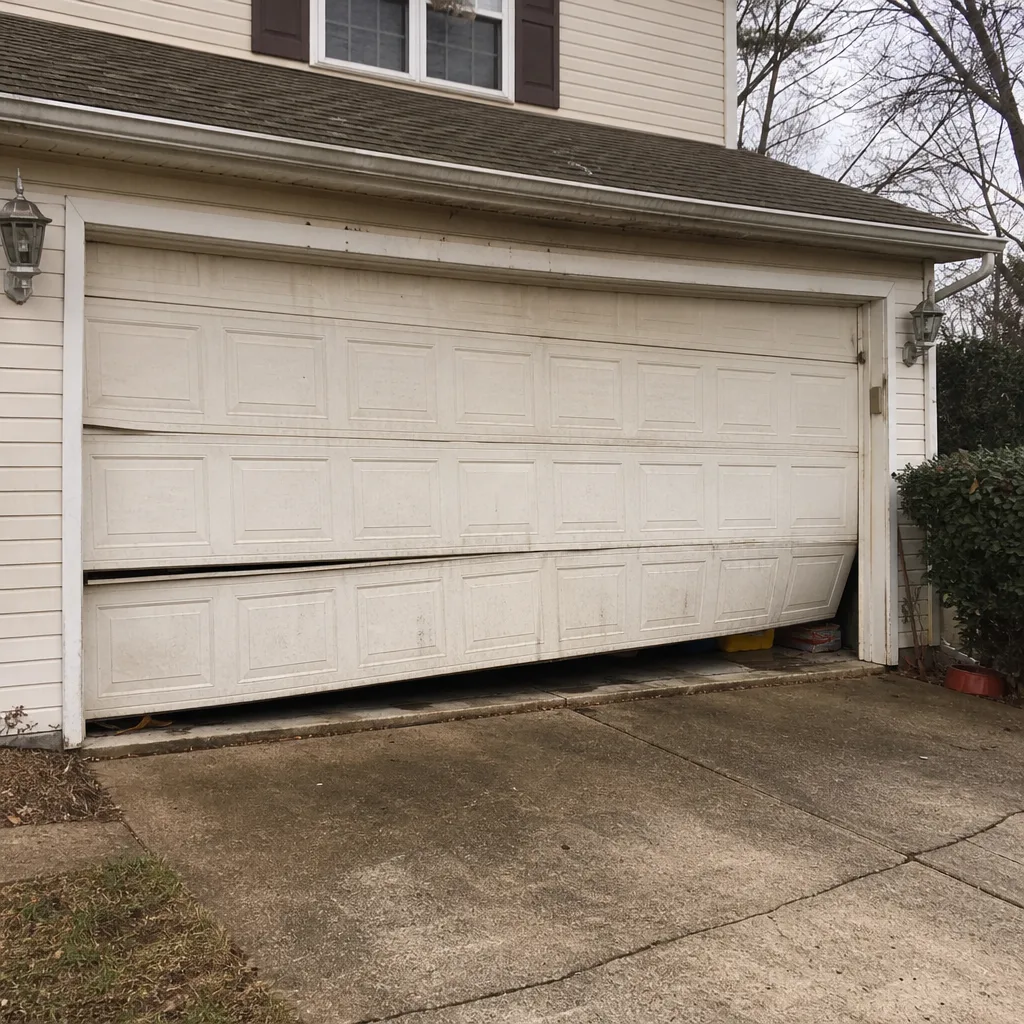 Before
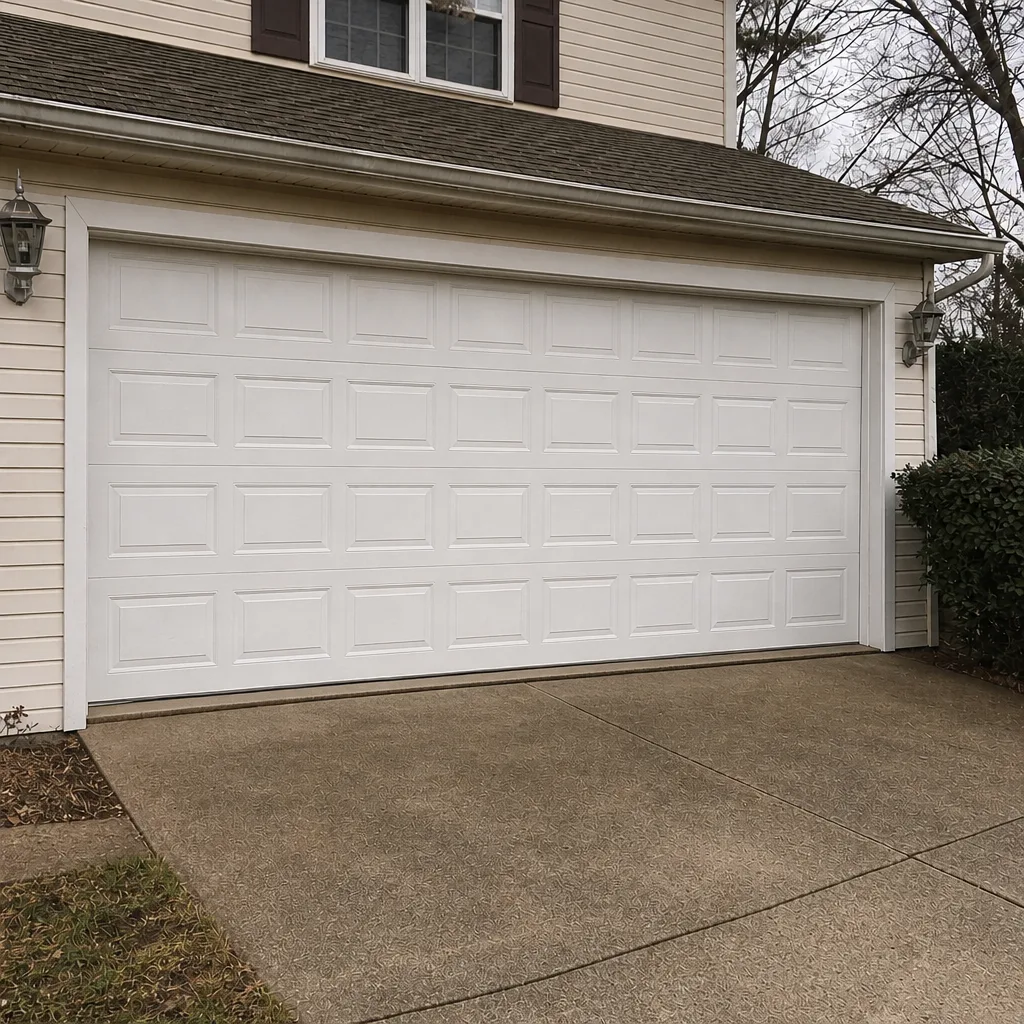 After
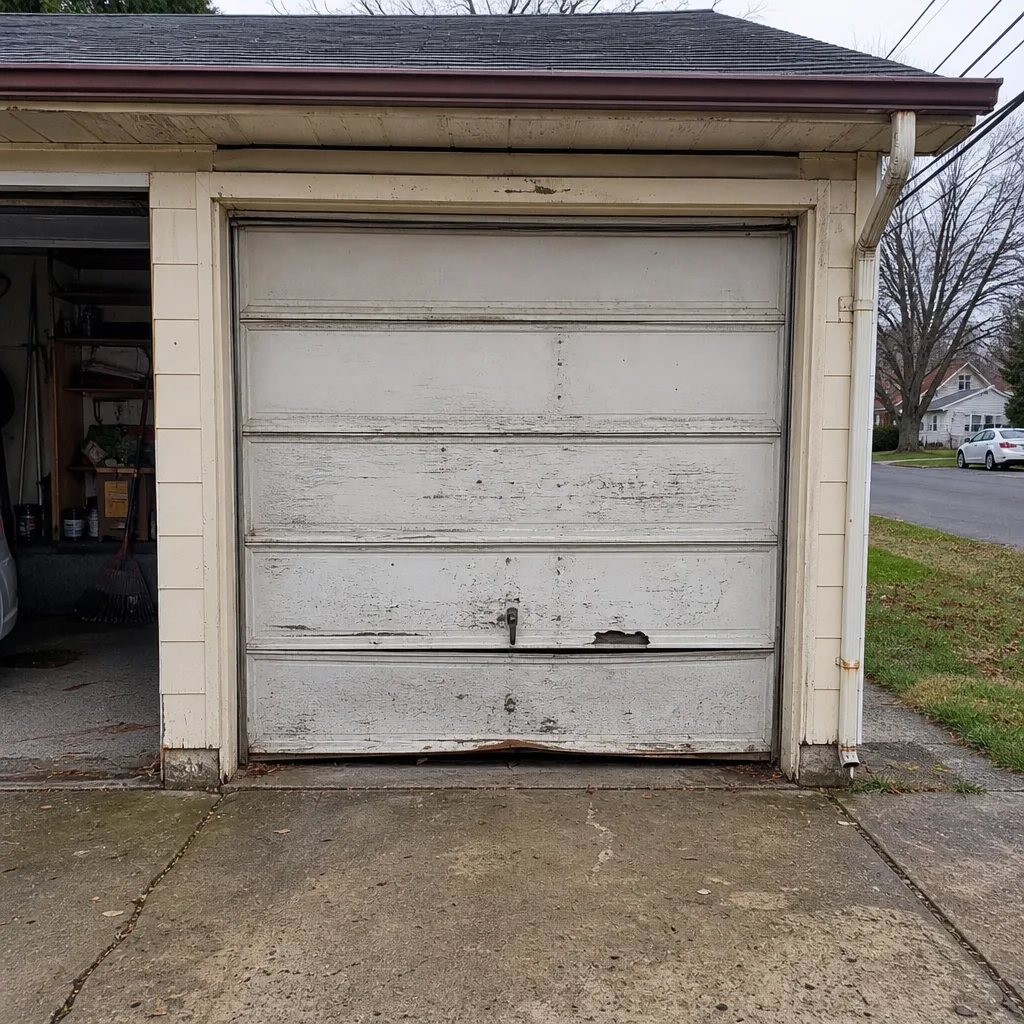 Before
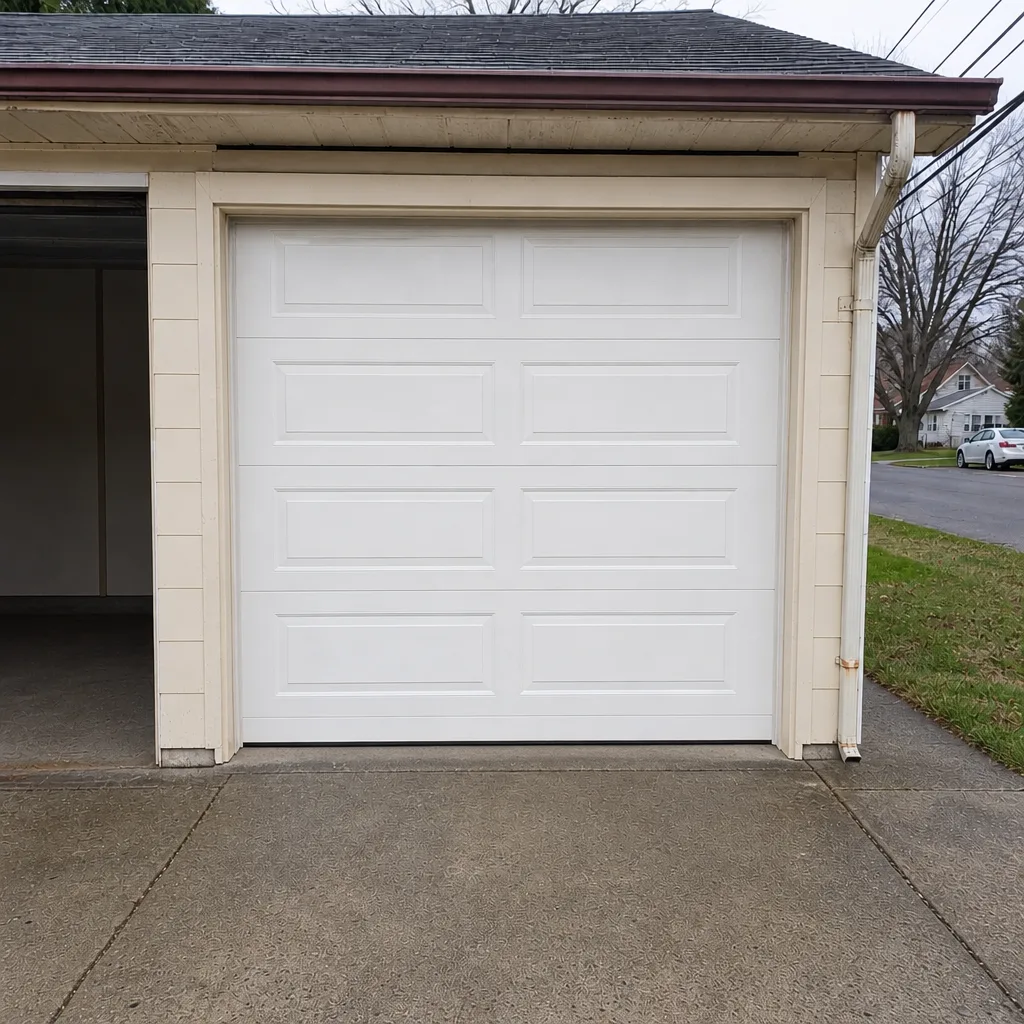 After
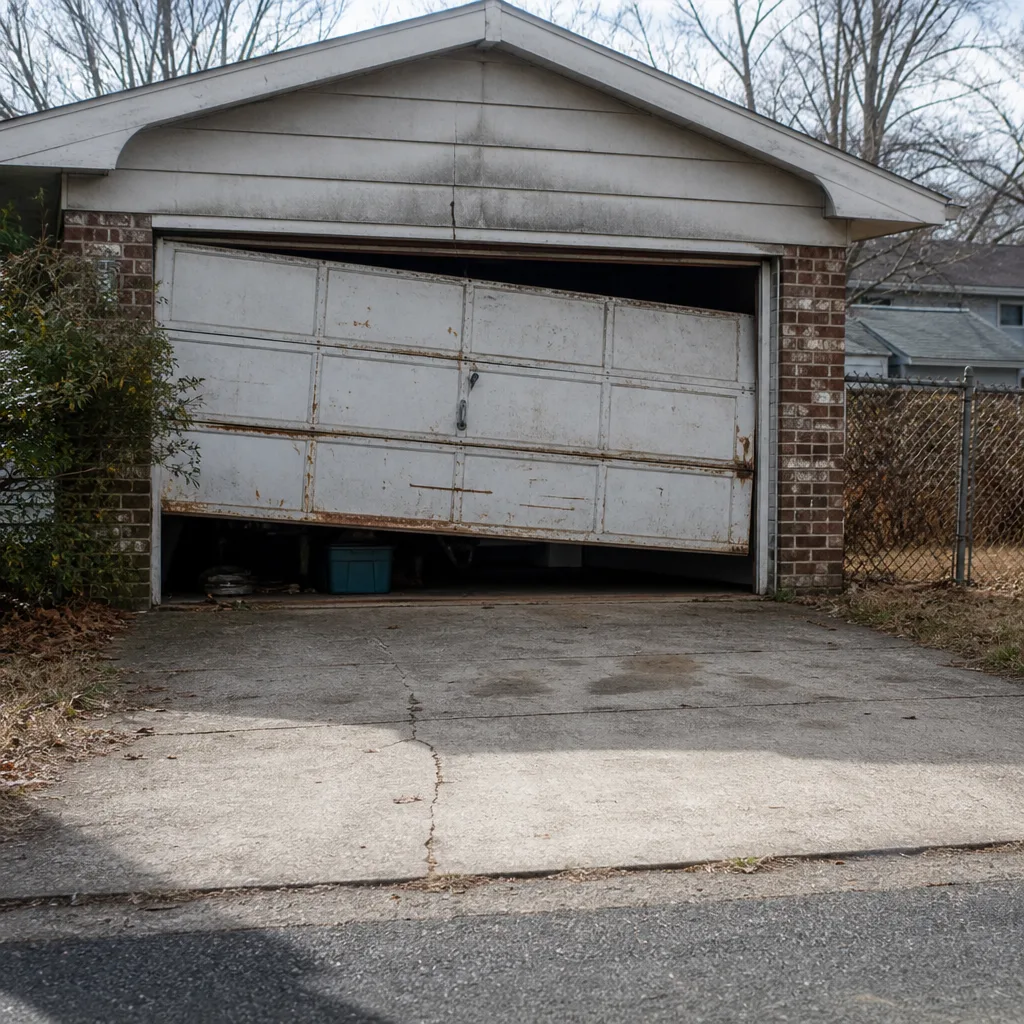 Before
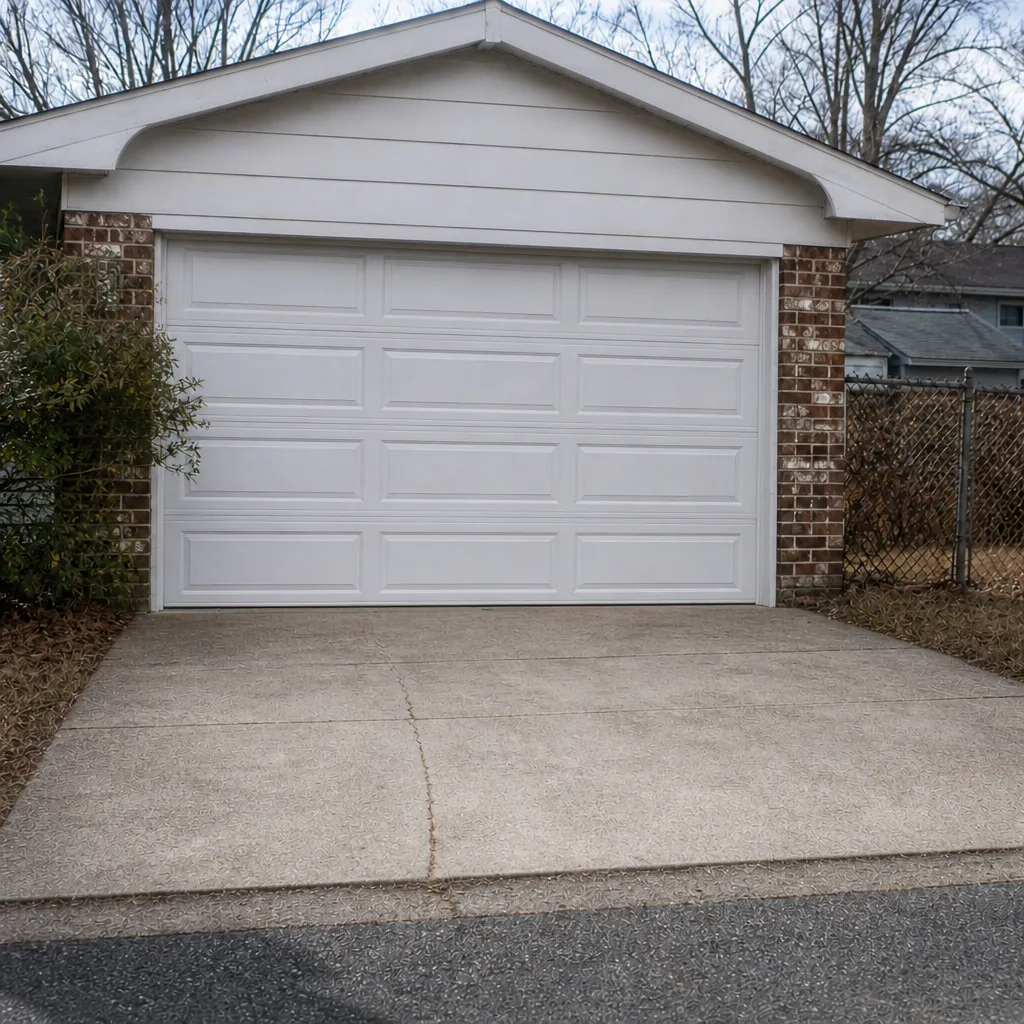 After
When to Call a Professional
Call a technician if you hear a sharp snap or bang from the torsion bar, if the door won’t stay open on its own, if you see daylight under a closed door that wasn’t there before, if the tracks are visibly bent or a roller has popped out, or if the door binds so badly the opener struggles. Call before a named storm if a pre-storm check turns up any of those signs. Spring and cable work should always go to a trained professional, and so should any door that has been damaged in a storm. Garage Door Repair Brick offers free estimates in Brick Township. Call (888) 569-3530. We answer 24/7. Fast dispatch from 7am to 7pm, Sunday through Friday.
For a broader look at what our team handles across the full range of door and opener problems, start with Garage Door Repair Brick.
Frequently Asked Questions
Twice a year is the practical minimum here, once in October before the cold sets in and once in spring after the worst wind and moisture have passed. Fall lubrication matters most because cold contraction plus a dry spring is the classic failure combination. Call (888) 569-3530 if you want the job done properly – estimates are free.
No. Garage door springs are under extreme tension and can cause serious injury if handled incorrectly. Never try to adjust, wind, unwind, or remove one yourself. Spring work should always go to a trained technician, and spring repair is a dedicated service for exactly that reason. Call (888) 569-3530 to get a spring inspected.
Close and latch it securely, clear anything the wind could turn into a projectile, and test the safety reverse and sensors while conditions are still calm. If you plan to operate the door manually during a power outage, learn the red-cord disconnect procedure before the storm arrives. If a pre-storm check turns up damage, call (888) 569-3530 before the weather turns.
Summer humidity swells wood-core panels and thermally expands steel panels, both of which can push the door out of alignment with its tracks. That’s especially common in older Brick Township homes with wood-backed or vinyl-over-wood doors. Most summer sticking is a track adjustment, not a worn-out door. Call (888) 569-3530 for an exact look.
Ocean County winters bring repeated freeze-thaw cycles rather than a single steady cold stretch, and those cycles are harder on bottom seals and threshold seals than a deep freeze. The other effect is on springs, which contract slightly in cold and can snap if they’ve lost lubrication or are already worn. Call (888) 569-3530 for an inspection before the first cold snap.
Yes. Wood-core doors absorb moisture in summer and can swell, which shifts panel alignment and can pull the tracks out of plumb over time. The routine is the same lubrication and inspection schedule, plus a look at the paint and finish so the wood isn’t exposed to moisture year round. Call (888) 569-3530 if you want the seasonal checklist run by a technician.
The Bottom Line
Garage door care in Brick Township works better when you stop thinking about it as one annual appointment and start treating it as four seasonal checkpoints. Lubricate and inspect in October before the cold contracts the springs. Watch the bottom seal through the freeze-thaw months. Do a post-storm track and roller inspection every spring. Check for humidity swelling and sticking through the summer. Storm prep is a separate, short list you should know cold before named storms arrive. Springs and cables stay in the hands of a trained technician. Everything else is manageable on your own, and the payoff is a door that works when you need it, in every season.
Written by the team at Garage Door Repair Brick.